Israeli Ambassador Declares War with Iran Will Continue Until Regime Collapses
Israel's ambassador to the United States has proclaimed that the ongoing war with Iran will persist until the Tehran regime is brought to its knees, directly contradicting President Donald Trump's recent suggestions that military efforts might be winding down. The stark declaration came on Sunday, March 22, 2026, following a new round of devastating attacks across Israel's southern region.
Escalating Conflict and Contradictory Statements
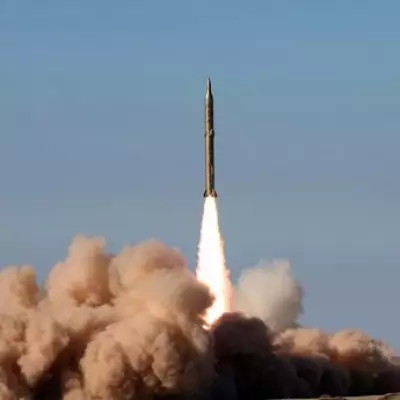
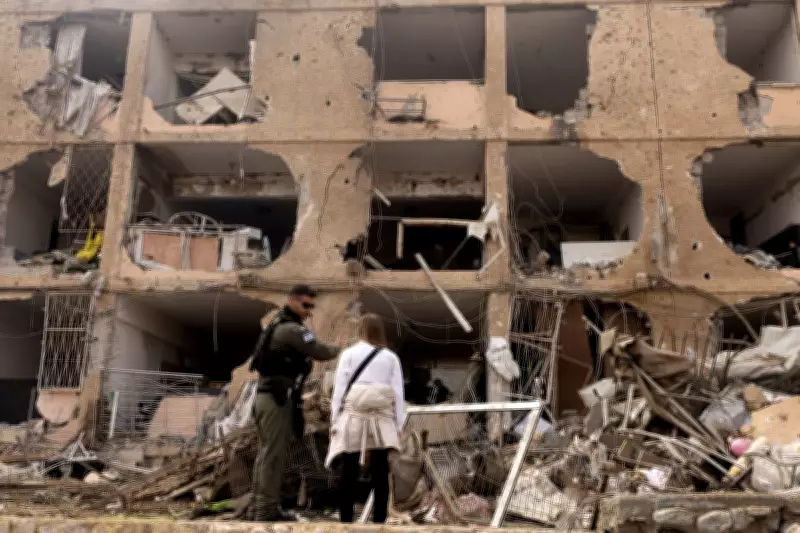
Ambassador Michael Leiter told CNN's State of the Union program that Israel would "continue with this campaign until we bring this regime to its knees." He emphasized that Israel could no longer coexist with what he described as a malign country intent on its destruction. This statement followed Iranian ballistic missile attacks on Saturday that targeted the Shimon Peres Negev Nuclear Research Center, injuring at least 180 people and leaving over 50 wounded in the city of Dimona.
The ambassador's words starkly contrasted with President Trump's social media post from the same day, in which the U.S. leader claimed "we are getting very close to meeting our objectives" and was considering winding down military efforts against what he called the "Terrorist Regime of Iran."

Military Leadership Echoes Determination
General Eyal Zamir, head of Israel's armed forces, reinforced the ambassador's position on Saturday, stating plainly that "the war is not close to ending." This military assessment directly challenges the Trump administration's narrative about progress in the conflict that began with U.S. and Israeli strikes on February 28, 2026, which succeeded in killing Iran's Supreme Leader, Ayatollah Khamenei, during the initial hours of the offensive.
Despite this early success, the conflict has since stalled, with the Iranian government showing little sign of imminent collapse despite sustained Western military pressure. The strategic situation has been complicated by Iran's blockade of the Strait of Hormuz, a crucial waterway for global oil shipments that has become a major strategic objective for the Trump administration.
Historical Context and Nuclear Concerns
The current conflict represents the culmination of years of escalating tensions between the United States, Israel, and Iran. President Trump's first term was marked by:
- Withdrawal from the 2015 JCPOA nuclear agreement
- Implementation of a "maximum pressure" campaign against Iran
- The ordered assassination of Qassem Soleimani, then head of Iran's Revolutionary Guard Corps
These actions brought the two countries to their closest point to war in decades. The current military engagement has reignited debates about Iran's nuclear ambitions, particularly whether Tehran has resumed developing nuclear weapons following U.S. and Israeli strikes on three nuclear development sites in 2025.
Political Divisions and Strategic Challenges
Within the United States, political leaders from both parties continue to urge President Trump to find an "off-ramp" from the conflict, even as some neoconservatives and older Republicans remain staunchly supportive of efforts to dislodge what they view as a persistent American foe. The war has already caused significant economic consequences, with gas prices surging globally due to Iran's blockade of oil shipping through the Strait of Hormuz.
Some U.S. officials, including Secretary of State Marco Rubio, have pointed to Israel's government as having forced the president's hand into the conflict. Israeli Prime Minister Benjamin Netanyahu has been specifically blamed by certain American officials for goading or leading the United States into war with Iran.
The Trump administration has struggled to prove both the necessity of the war and present a coherent game plan for its conclusion, even as the president claims victory. With Israel's leadership now openly declaring their intention to continue fighting until Iran's government collapses, the path to peace appears increasingly distant and uncertain.