In a significant diplomatic development, Japan has successfully secured the release of one of its nationals who had been detained in Iran since last year. The individual has now returned to Japan, marking a partial resolution to a sensitive international case.
Foreign Minister Confirms Release and Return
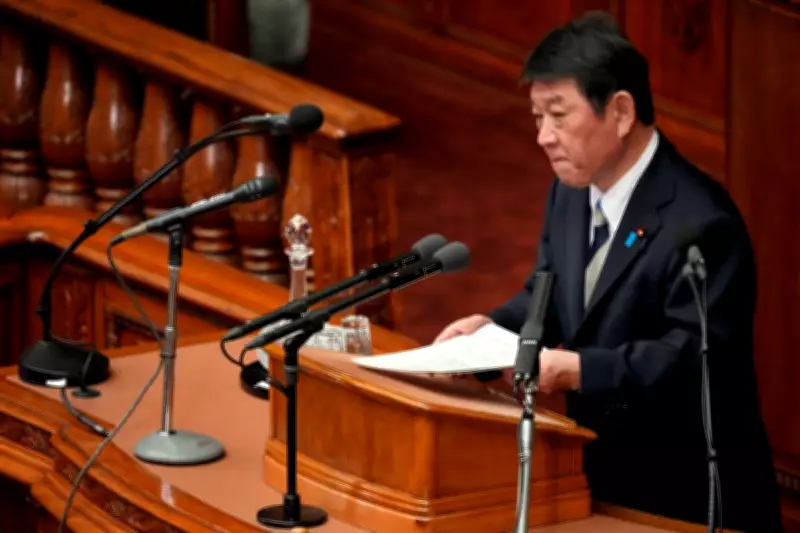
Japanese Foreign Minister Toshimitsu Motegi publicly announced the news during a television appearance on Fuji Television. He confirmed that the released person, who had been held since 2025, was freed on Wednesday and subsequently took a flight from Azerbaijan, arriving back in Japan on Sunday.
Kyodo News agency and other Japanese media outlets have verified that the former detainee has safely returned to Japanese soil. However, Minister Motegi emphasised that this positive outcome is tempered by the ongoing detention of another Japanese national, who was arrested earlier this year and remains in Iranian custody.

Ongoing Diplomatic Efforts for Second Detainee
Minister Motegi attributed the release to persistent diplomatic pressure, stating he had made repeated demands to Iranian Foreign Minister Abbas Araghchi. He is now actively working to secure an early release for the second detainee, maintaining communication with the individual's family and other relevant parties.
The Japanese Foreign Ministry had previously acknowledged this month that both detainees were safe and in good health, confirming one was detained last year and the other in January. However, the ministry has not provided further details or clarified whether the two cases are connected.
Identity and Circumstances of the Detained Journalist
While Minister Motegi did not identify either detainee, the Committee to Protect Journalists has reported that the person arrested in January is a journalist employed by Japan's public broadcaster, NHK. According to the CPJ, citing unnamed sources who fear persecution, the NHK journalist was apprehended by the Islamic Revolutionary Guard Corps on 20 January and transferred to Evin Prison on 23 February.
This revelation adds a layer of complexity to the situation, highlighting potential press freedom concerns intertwined with the diplomatic negotiations. The release of the first detainee, after months of captivity, underscores the delicate and often protracted nature of such international incidents, where diplomatic channels are crucial for resolution.
As Japan continues its efforts to bring home its remaining national, the case remains a focal point of its foreign policy, demonstrating the challenges nations face in protecting their citizens abroad amidst complex geopolitical landscapes.