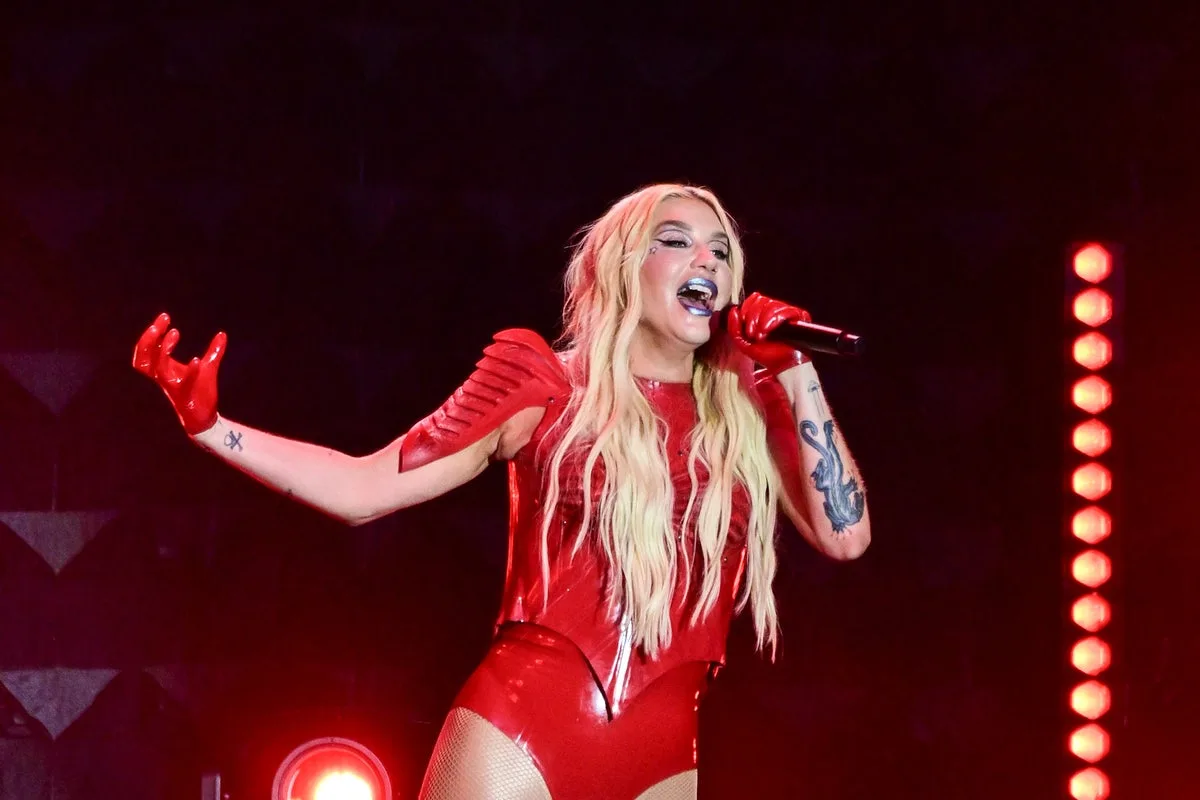
Kesha Rebukes Trump Administration for Unauthorised Use of Her Song 'Blow'
Pop star Kesha has publicly condemned the Trump administration for using her 2011 dance-pop hit 'Blow' without permission in a TikTok video that glorifies the 'lethality' of America's armed forces. The video, posted by The White House, features a montage of U.S. warplanes destroying naval targets set to Kesha's energetic track, with the caption 'Lethality ????????'.
'Disgusting and Inhuman' Promotion of Violence
In a strongly worded statement shared on Instagram and X, the 39-year-old artist expressed her outrage. 'Trying to make light of war is disgusting and inhuman. I absolutely do NOT approve of my music being used to promote violence of any kind,' Kesha wrote. She emphasised that the video's blatant disregard for human life contradicts her personal values, describing it as an attack on collective nervous systems.
Kesha followed up with a more direct demand: 'Stop using my music, perverts.' Her objection highlights the ethical concerns surrounding the use of pop music in military propaganda, particularly during ongoing air strikes against Iran that have resulted in the deaths of six U.S. service members since the weekend.
White House Response and Historical Context
White House Communications Director Steven Cheung responded mockingly to Kesha's complaint, employing a phrase characteristic of Donald Trump. 'All these 'singers' keep falling for this. This just gives us more attention and more view counts to our videos because people want to see what they're bitching about,' Cheung stated, thanking Kesha for the attention.
This incident is not isolated. Trump, his campaigns, and his administrations have a long history of using artists' music without permission. Wikipedia maintains an alphabetised list titled 'Musicians who oppose Donald Trump's use of their music', featuring 57 entries from ABBA to Yoann Lemoine (alias Woodkid). Kesha now joins notable artists like Radiohead, Rihanna, Aerosmith, Beyoncé, and Kenny Loggins who have rebuked Trump or his associates for unauthorised use of their work.
Recent Examples and Legal Implications
Only last week, Radiohead demanded that U.S. Immigration and Customs Enforcement (ICE) remove a video using a choral version of their song 'Let Down', telling the administration: 'Go f*** yourselves.' In October, folk legend Kenny Loggins objected to the use of his song 'Danger Zone' in an AI-created video depicting Trump dumping brown liquid on protesters from a fighter jet while wearing a crown.
Despite sometimes gloating responses, Trump's campaigns and organisations have occasionally been forced to delete videos after receiving cease and desist letters. However, the legal and ethical battles continue, as artists seek to protect their intellectual property and distance themselves from political messaging they disagree with.
Broader Political and Military Context
The controversy unfolds against a backdrop of heightened military tensions. Trump has acknowledged the likelihood of additional casualties in the conflict with Iran, stating in a Truth Social video: 'Sadly, there will likely be more... before it ends, that's the way it is. Likely be more.' This statement underscores the serious human cost of the ongoing hostilities, which Kesha's protest aims to highlight.
Kesha's rebuke also included a pointed reference to Donald Trump's appearance in the Epstein files, though it is noted that while Trump is a convicted felon, he has not been accused of or charged with any crimes related to convicted sex offender Jeffrey Epstein. This addition reflects the deeply partisan nature of the dispute, intertwining issues of music licensing with broader political criticisms.