Middle East Plunged Into Conflict Following Iranian Retaliation to Major Strikes
The Middle East has been thrust into a severe and escalating conflict after Iran launched a wave of missile attacks in retaliation to major military strikes by the United States and Israel. The situation has triggered widespread alarm, with regional airspaces closed, flights grounded, and urgent safety warnings issued to civilians.
Initial Strikes and Immediate Fallout
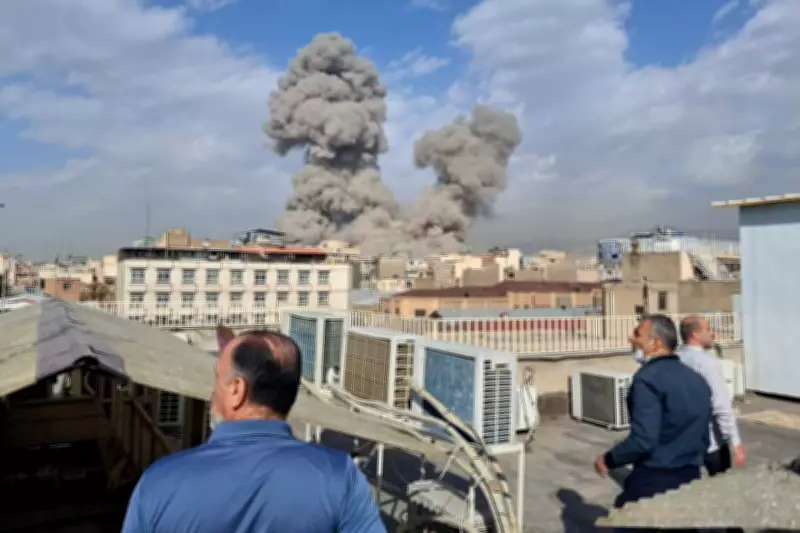
On Saturday morning, explosions reverberated across Iran, including in the capital Tehran, as US and Israeli forces targeted locations such as the compound of Supreme Leader Ayatollah Ali Khamenei. In a video address, former US President Donald Trump, now back in office, declared the commencement of "major combat operations" and called on the Iranian people to rise against their government, emphasizing that Iran must never obtain a nuclear weapon.
Iran swiftly vowed a "crushing retaliation," launching missiles toward Israel and US military installations in Qatar, Kuwait, the United Arab Emirates, and Bahrain. This retaliation has heightened fears of a broader regional war, disrupting travel and security across the Middle East.

UK and International Response
Sir Keir Starmer, the UK Prime Minister, condemned the Iranian regime in strong terms, describing it as "utterly abhorrent" for its domestic repression and regional destabilization. He confirmed that British aircraft are actively participating in "coordinated regional defensive operations" to protect national interests and allies, but clarified that the UK was not involved in the offensive strikes against Iran.
However, the UK government has distanced itself from the Trump administration by denying permission for the US to use RAF bases for the strikes, citing potential breaches of international law. The Prime Minister joined European allies France and Germany in condemning Iranian attacks "in the strongest terms."
Regional Impact and Casualties
The conflict has caused significant disruption and danger across the region. Sirens sounded across Israel, urging citizens to seek shelter, while strikes in Bahrain targeted the US Navy's Fifth Fleet. In Abu Dhabi, a man was killed by falling debris, and explosions were reported in Kuwait, home to US Army Central. The tourist hub of Dubai saw a fire break out at the Fairmont The Palm hotel during an Iranian missile strike.
The Foreign Office has urgently advised British nationals in the Middle East, including the 240,000 in Dubai, to "immediately shelter in place," avoid travel, and follow local authority instructions.
Iranian Threats and Broader Implications
Iran's Foreign Ministry stated the country "will not hesitate" in its response, framing the conflict as a defense of the homeland. The Revolutionary Guard declared all US bases and interests in the region as legitimate targets, with commander Ebrahim Jabbari claiming only "scrap missiles" have been used so far and promising unforeseen weapons soon.
Unconfirmed reports suggest several Iranian political officials and senior Revolutionary Guards commanders, including Defence Minister Amir Nasirzadeh and commander Mohammed Pakpour, may have been killed. Additionally, Iranian-backed Houthis in Yemen vowed to resume attacks on Red Sea shipping and Israel.
Political Context and Criticism
The assault follows a rapid US military buildup in the region amid tensions over Iran's nuclear programme. President Trump had set a deadline for a nuclear deal in mid-February, but indirect talks reportedly failed. In a Truth Social post, Trump linked the strikes to forcing Iranian concessions in nuclear negotiations, aiming to "eliminate imminent threats."
US Democrats have sharply criticized the action. Senator Tim Kaine questioned Trump's mental capacity and policy understanding, noting the previous diplomatic agreement that restrained Iran's nuclear activities until Trump dismantled it during his first term.
Background and Ongoing Tensions
This conflict occurs against a backdrop of persistent instability. Trump, who campaigned on bringing peace, has conducted military actions in multiple countries since returning to office. The latest strikes follow previous US and Israeli attacks on Iran last summer, with Israel warning in December about Iran reconstituting underground nuclear sites.

Iran's leadership was already under pressure from mass anti-government protests in January, which led to a deadly crackdown—the worst domestic unrest since the 1979 revolution. Recent protests commemorating those killed have further strained the regime.
The situation remains fluid, with the potential for further escalation as both sides issue threats and the international community grapples with the consequences of a major Middle East conflict.