Nigerian Minister Warns Religious Aid Deals Risk Fuelling Division
A senior Nigerian government minister has cautioned that foreign aid arrangements with a religious focus risk "fanning the flames" of division within the country. Mohammed Idris Malagi, Nigeria's Minister for Information and chief government spokesperson, made these remarks during an interview with The Independent, coinciding with Nigeria's first state visit to the UK in 37 years.
Religious Stipulations in US Aid Agreement
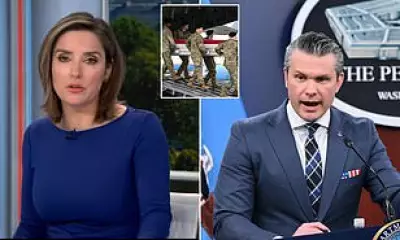
In December, Nigeria was among 14 countries that signed bilateral health compacts with the United States, totalling $2.1 billion (£1.6bn). The agreement with Nigeria included "significant dedicated funding to support Christian health care facilities," according to the US State Department, and was negotiated in connection with reforms aimed at protecting Christian populations. This move comes amid ongoing scrutiny from Washington over Nigeria's religious composition, which is nearly evenly split between Muslims and Christians. US President Donald Trump has previously warned about Christians being targeted by "radical Islamists," and on Christmas day last year, he authorised strikes on militant camps in Nigeria's northwest, with reports on their effectiveness being mixed.
Concerns Over Religious Classification
Mr Malagi expressed Nigeria's preference for aid without religious stipulations, stating, "If the aid is going to benefit people, that's good. But we don't want the classification of Nigeria along these religious lines. It's not very helpful. It risks creating more problems for us." He added that while Nigeria will accept the deal out of "pragmatism," it would be preferable if foreign aid approaches did not risk exacerbating divisions. "We are a country of 230 million people of different religions and backgrounds, all tolerating each other," he continued. "We really want to discourage any talk of Christians versus Muslims, as this is exactly what the terrorists want: they want to divide us along religious lines."

Context of Violence and State Visit
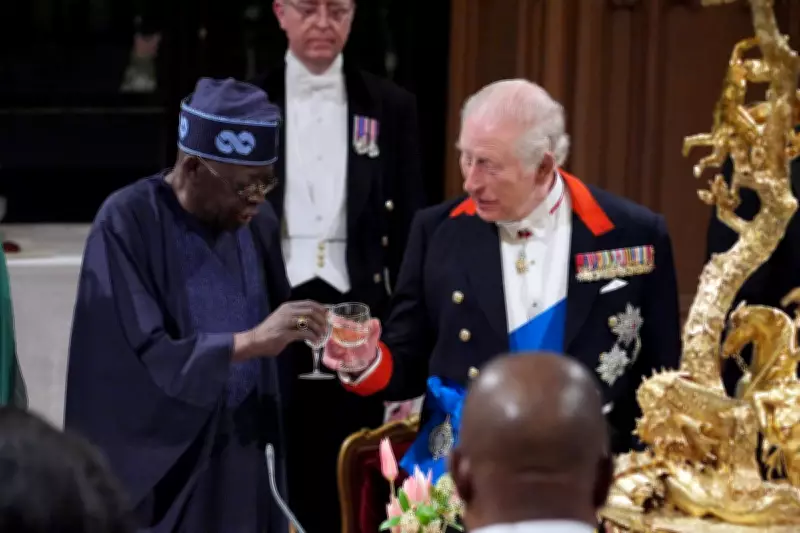
These comments followed a suspected suicide blast in Maiduguri, the capital of Borno State, which killed 23 people and injured over 100. This region has long been plagued by the Islamic terror group Boko Haram. Mr Malagi was in London as part of the delegation for Nigerian President Bola Ahmed Tinubu's state visit, which included meetings with UK politicians and engagements with the royal family, such as a State Banquet at Windsor Castle. The visit also saw the signing of major business deals, with UK-Nigeria trade now valued at £8.1 billion, expected to create hundreds of jobs in both countries.
Shift from Aid to Economic Partnerships
Nigeria has faced significant foreign aid cuts, particularly from the US following the closure of the US Agency for International Development (USAID) last year. Mr Malagi acknowledged the impact on the health sector but emphasised a shift towards economic partnerships. "Aid has many admirable and desirable goals, but ultimately it is not what we need for sustainable development of our country and society," he said. "What we need now is more economic partnerships, and new types of cooperation." He described the Nigeria-UK relationship as evolving from colonialism to aid, and now to partnership and trade.
Climate Change as a Key Priority
Mr Malagi highlighted climate change as a major threat to Nigeria, contributing to food insecurity and resource-based conflicts between farmers and herders in the Middle Belt, which often split along religious lines. "Climate change is a major driver of our country's problems, resulting in desertification in some areas, and increasing pressure on the land," he said. "We cannot live in denial. We need to accept the fact that it is happening, and work to mitigate its impact on our people."