As Pope Leo XIV prepares to visit Cameroon as part of his four-nation Africa tour, many citizens are hoping his presence will bring peace to a country reeling from years of conflict. Caro Bih, a 52-year-old nurse and mother of six from Bamenda, recalls being kidnapped and chained by separatist fighters, with several relatives killed or abducted. She says, 'We have been praying ceaselessly for the conflict to end, to no avail. We want the pope to intercede for us.'
The papal visit comes as Cameroon struggles with a separatist rebellion in its English-speaking regions, which began in 2017. Thousands have died in what humanitarian groups call one of the world's most neglected conflicts. Separatists have announced a three-day pause in fighting to allow safe travel for the pope and civilians. The pope is scheduled to preside over a peace meeting in Bamenda and celebrate Mass at the local airport.
However, some critics worry the visit may be exploited by President Paul Biya's administration, accused of abuses in the conflict. Benjamin Akih, a Cameroonian activist, cautions against allowing the regime to 'mask the pain of profound historical injustices with empty appeals to peace and unity.' Others, like Eric Chinje of the Project Cameroon diaspora group, suggest the pope's focus is on his global evangelical mission rather than Cameroon's political fate.

Father John Berinyuy Tatah, a Catholic priest kidnapped by separatists in 2023, believes the pope can sow seeds of healing. 'The cry of every Cameroonian is for the pope to help us mediate for dialogue,' he says. Cameroon also faces attacks from Boko Haram extremists, and over 3.3 million people struggle with food insecurity, according to the UN's World Food Programme.
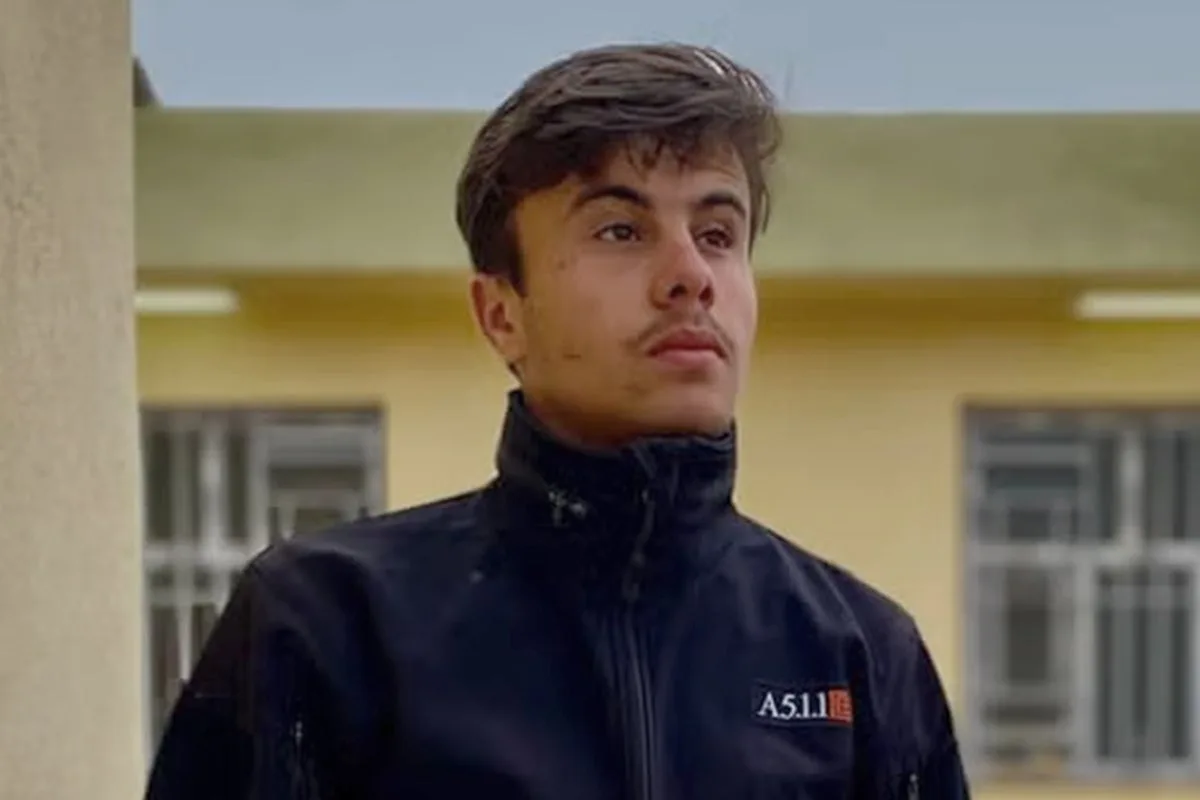
For many, the pope's visit symbolises a chance for renewal. Yeeika Desmond Nangsinyuy, a spoken-word artist abducted by separatists in 2024, hopes the pope will 'speak directly to the pain of families torn apart by conflict and inspire renewed hope that peace is possible.' Caro Bih, whose children's futures remain uncertain, says, 'I strongly believe his coming will help heal my wounds.'