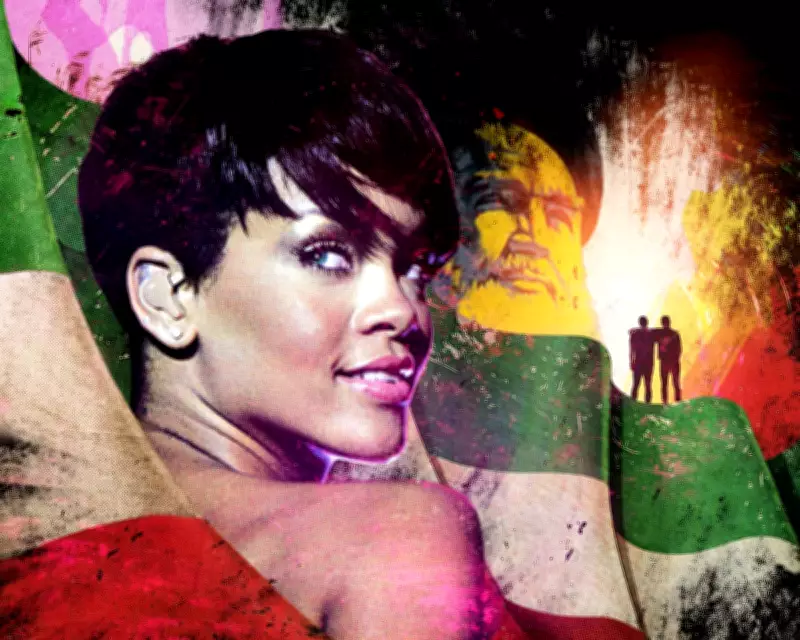
Rihanna's Anthem: A Gay Man's Secret Liberation in Iran's Underground Scene
Raised in Tehran under the Ayatollah's sharia law and the constant surveillance of the Basij morality police, I grew up in a household where my parents embraced the Islamic Revolution. The Ayatollah's portrait loomed on our walls, a daily reminder of expectations and prohibitions, including the strict ban on homosexuality. By my teenage years, I knew I was different from my peers, forcing me to conceal my sexuality from my family and the oppressive authorities outside.
A World Without Celebration
Life under the regime offered little room for joy; even religious celebrations were tinged with guilt, and western influences like music were deemed dangerous. It wasn't until my mid-20s that I attended my first real party—an underground gathering that unveiled a hidden, vibrant gay Tehran. At university, I connected with three gay friends who shared the intricate lies needed to protect our secrets. They introduced me to these clandestine events, held in apartments transformed with sound systems, lights, and homemade alcohol into makeshift clubs behind closed doors.
I both longed for and dreaded an invitation, anxious about joining the largest circle of gay men I'd ever encountered. Fears of being recognized, the morality police, and my parents discovering the truth weighed heavily. The layers of haram, or forbidden behaviour, seemed overwhelming—what explanation could I possibly offer?
The Invitation and a Cultural Revelation
When the invite finally came, I dressed in a trendy tight shirt with undone buttons and styled my hair like the boybands I'd secretly watched on MTV. Music videos, such as Britney Spears' and Rihanna's latest releases, were popular topics among friends in the Middle East, though my exposure to non-Iranian pop remained limited. Using the excuse of a dinner outing to my parents, I rode in a friend's car where Rihanna's Don't Stop the Music played on cassette. "This is cool," I remarked, to which he replied, "It's the new thing. You'll definitely hear it tonight."
Upon entering the apartment, I was instantly captivated by the music. A wave of doubt gave way to euphoria, especially when Rihanna's song filled the room. The space erupted with energy; I caught my friend's eye and pinched myself, lost in this newfound world. On the drive home, I replayed the song to relive the moment.
Immersing in the Hidden Scene
Over the next few years, I immersed myself in this underground scene, attending parties once or twice a fortnight. Each departure from home was fraught with anxiety about my parents' perceptions, but that worry melted away in my friend's car. I even hosted my own party at my father's holiday home outside Tehran, hiring sound equipment and lights—ensuring Rihanna's tracks were featured prominently.
Don't Stop the Music became a staple. Whenever it played, my best gay friend and I exchanged a knowing glance that said, "It's our song, let's go." Rihanna, along with Britney Spears and Madonna, became markers of a successful gathering, symbolizing the joy we found in secrecy.
From Tehran to London: A New Life
After university and compulsory military service, I decided to leave Iran, moving to London where I now work as a doctor and have a partner. My sexuality remains unconfirmed with my parents—they know but it's never discussed openly. Under a pen name, I've written about gay Tehran and these parties in a book titled The Ayatollah's Gaze, as revealing my identity could still pose dangers.
Hopes for Change Amidst Conflict
Recently, with the supreme leader's death and escalating conflict, the promise of regime change feels tangible. I messaged my best gay friend, who lives near the compound where the Ayatollah was struck, expressing concern for his safety. He replied, "Congratulations, he is finally dead. You have no idea how we are feeling!" This sentiment resonates with me—jubilant and hopeful for a future where our once-hidden parties might no longer need to be concealed.
A friend from those days, now in Europe, visits occasionally. Whenever we hear Rihanna play—in a shop, club, or bar—he nudges me, recalling my awkward dance moves. That song not only showed me that gay life in Iran was possible but remains an unforgettable symbol of liberation and resilience.