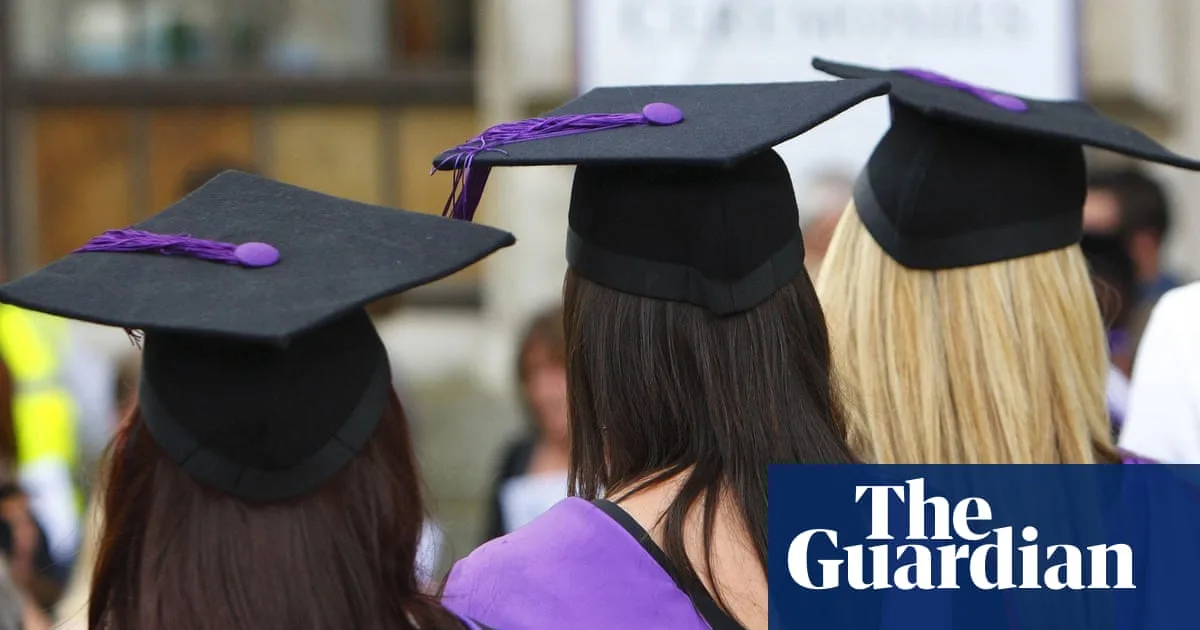
Russian universities are offering students substantial financial incentives and benefits to join drone units fighting in Ukraine, according to official documents and statements. The recruitment drive targets both operators and engineers, with packages including high salaries, free accommodation, and tuition exemptions.
The Far Eastern Federal University in Vladivostok promises a first-year salary of 5.5 million roubles ($68,433), a one-off payment of 2.5 million roubles after training, and a monthly allowance of 240,000 roubles. Students who sign up for at least one year receive extended academic leave, free accommodation, grants, and exemption from education fees upon return. The university also covers costs for military equipment and weaponry.
Similar offers are being made by the Moscow State University of Civil Engineering and the Russian State Hydrometeorological University in St Petersburg, where drone operators can earn from 7 million roubles ($87,000) per year. Kremlin spokesman Dmitry Peskov confirmed the recruitment effort, stating it applies equally to workers, students, and the unemployed, describing it as an open offer to join a new type of unit.

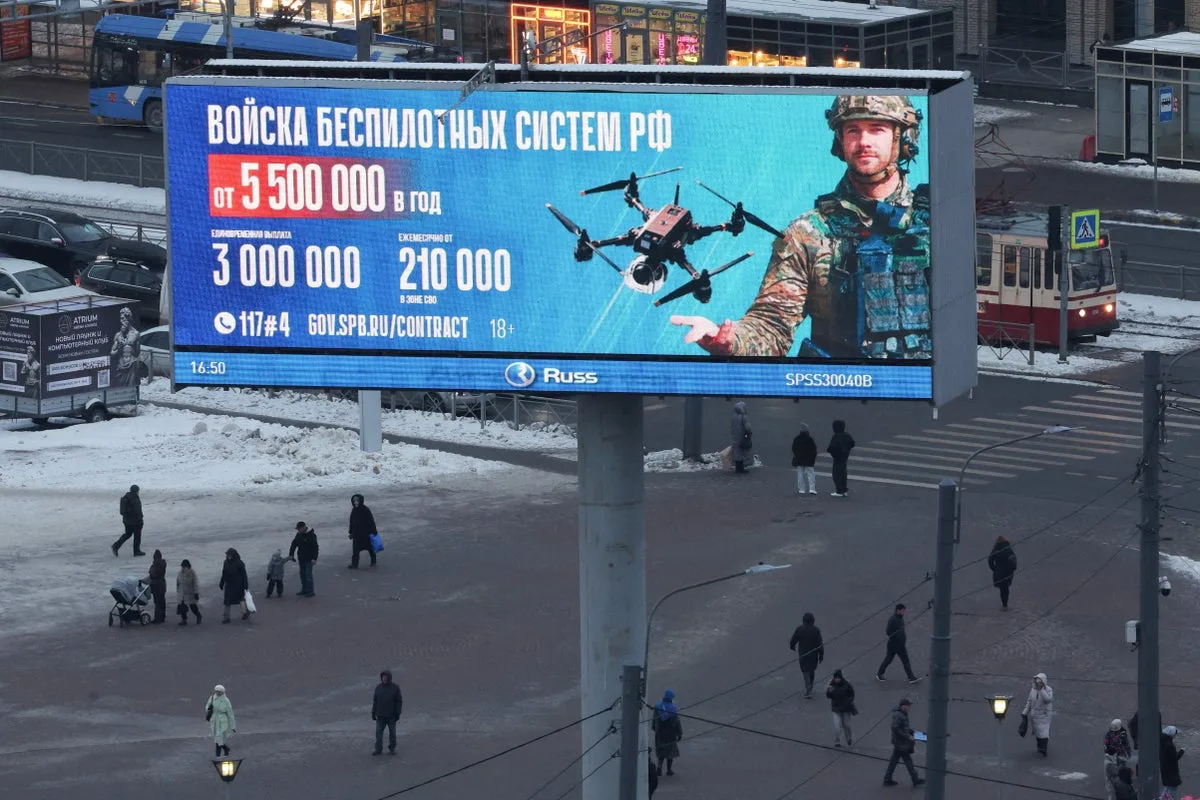
Critics allege that some students face undue pressure to sign up, including threats of expulsion, though the Russian Defence Ministry and universities insist participation is voluntary. The drive coincides with a billboard campaign featuring a young drone operator with the slogan "the new indispensables."
In the Ryazan region, Governor Pavel Malkov has ordered companies to meet recruitment quotas: firms with up to 300 workers must provide two army recruits, those with up to 500 employees three recruits, and larger companies more. This comes as Russia continues its offensive in Ukraine, now in the fifth year, and as US-brokered peace talks remain stalled.