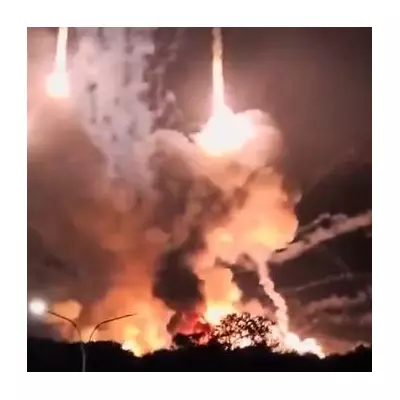
The slow and uncertain process of releasing prisoners in Venezuela has entered its third day, with only a handful of detainees walking free despite government promises of a significant amnesty. The releases are unfolding against a backdrop of profound political crisis, following the capture of former President Nicolás Maduro by United States forces.
A Gradual and Limited Freedom
On Saturday 10 January 2026, families gathered for a third consecutive day outside prisons in Caracas and other communities, clinging to hope for news of their loved ones' release. This follows a pledge from Venezuela's government on Thursday to free what it described as a significant number of prisoners.
However, the reality has been starkly different. According to the Caracas-based advocacy group Foro Penal, only 11 people had been released by Saturday, a slight increase from nine the day prior. The group states that 809 individuals remain imprisoned on politically motivated charges. It is unclear if the release of detainee Diógenes Angulo is counted among the eleven.
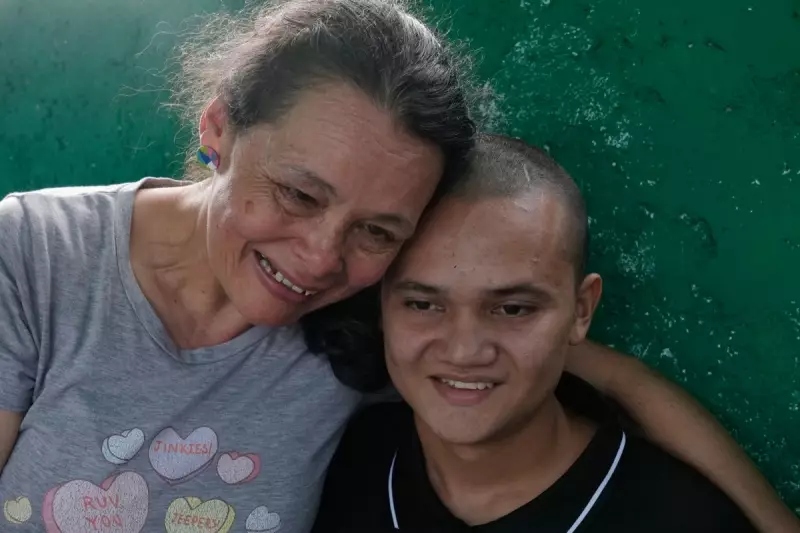
Angulo was freed from a prison in San Francisco de Yare after one year and five months behind bars. He was detained just two days before the 2024 presidential election for posting a video of an opposition demonstration. Upon his release, a shocked family greeted him, and he learned the seismic news that former President Maduro had been captured in a US raid on 3 January.
Political Detentions and International Fallout
Many of those still imprisoned are prominent opposition figures. They include former lawmaker Freddy Superlano, former governor Juan Pablo Guanipa, and Perkins Rocha, the lawyer for opposition leader María Corina Machado. The son-in-law of opposition presidential candidate Edmundo González is also detained.
The release of activist Rocío San Miguel, who has since relocated to Spain, was described by a relative as "not full freedom, but rather a precautionary measure substituting deprivation of liberty."
This domestic situation is inextricably linked to dramatic international events. One week after the US military intervention in Caracas, government-aligned Venezuelans marched in several cities, including Caracas, Trujillo, and Miranda, demanding the return of Maduro and his wife, Cilia Flores. The pair face charges including conspiracy to commit narco-terrorism in the US.
Acting President Delcy Rodríguez condemned the US action, calling it a "criminal aggression" and referring to Maduro's ousting as a "kidnapping." Meanwhile, US President Donald Trump stated on social media that he was "already making Venezuela prosperous and safe again" and sought access to the country's oil resources.
A Tentative Diplomatic Path
Amid the turmoil, a potential diplomatic shift is being explored. On Friday, Venezuela and the United States announced they are evaluating the restoration of diplomatic relations, which were severed in 2019, and the reopening of embassies. A mission from the Trump administration arrived in Venezuela on the same day.
The global community is watching closely. Venezuelan Foreign Minister Yván Gil responded to Pope Leo XIV's call for peace and respect for the Venezuelan people's will by inviting the pontiff to see the country's reality more closely, reaffirming Venezuela's commitment to its sovereignty.
As the prisoner release process continues at a glacial pace, it serves as a microcosm of the broader challenges facing Venezuela: a nation caught between internal political repression, profound international intervention, and an uncertain future.