Spain Denies US Permission to Use Joint Bases for Iran Strikes
Spain has formally denied the United States permission to utilise jointly operated military bases on its territory for attacks against Iran, as Madrid intensifies its criticism of what it terms an "unjustified and dangerous military intervention." This refusal marks a significant diplomatic stance amid escalating tensions in the Middle East.
Government Condemnation and Legal Stance
Prime Minister Pedro Sánchez, leader of Spain's socialist government, has explicitly condemned the "unilateral military action" by the US and Israel against Iran. He warned that such actions are fostering "a more hostile and uncertain international order." The rebuke was reinforced by Foreign Minister José Manuel Albares, who stated on Monday that while Spain supports "democracy, freedom and fundamental rights for the Iranian people," it will not permit its bases to be used in the ongoing strikes.
"I want to be very clear and very plain," Albares emphasised in an interview with Telecinco. "The bases are not being used – nor will they be used – for anything that is not in the agreement [with the US], nor for anything that isn't covered by the UN charter." Defence Minister Margarita Robles echoed this position, confirming that neither the Rota nor Morón bases have been involved in the US operation, citing compliance with international legal frameworks as a prerequisite under the bilateral agreement.

Flight Movements and International Reactions
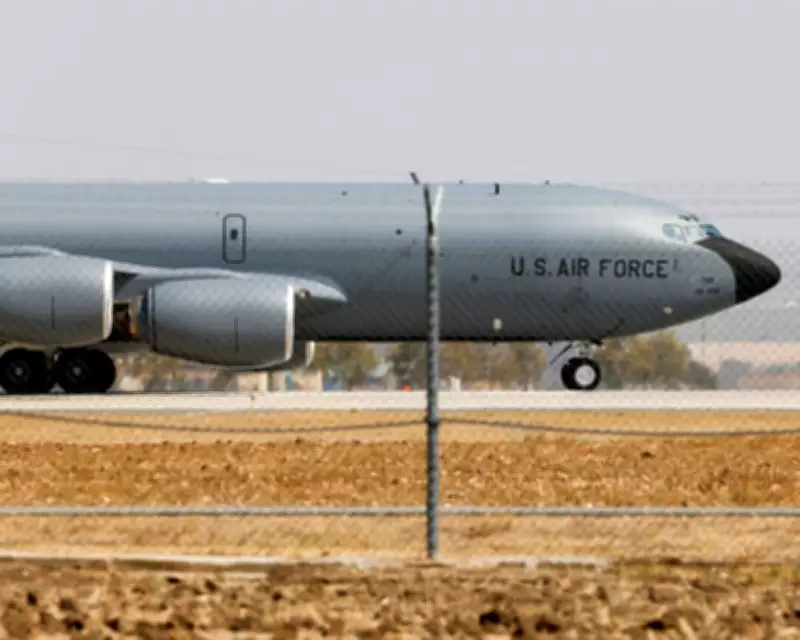
Data from flight-tracking website Flightradar24 indicates that 15 US aircraft departed from Rota and Morón since the US-Israeli attacks began over the weekend, with at least seven landing at Ramstein airbase in Germany. US defence officials have declined to comment on these movements. Meanwhile, other European leaders have adopted varied positions. UK Prime Minister Keir Starmer initially withheld permission for US use of bases like Diego Garcia due to legal concerns but reversed his stance after Iranian retaliatory strikes, including one on a UK base in Cyprus.
In a joint statement with France and Germany, the UK committed to "take steps to defend our interests and those of our allies in the region." German Chancellor Friedrich Merz acknowledged the "dilemma" in responding to Iran's nuclear ambitions and human rights abuses, while European Commission President Ursula von der Leyen called for a diplomatic resolution and preparedness for fallout from the conflict.
Sánchez's Outspoken Leadership and Global Implications
Prime Minister Sánchez's firm condemnations align with his reputation as one of Europe's most vocal leaders, having previously criticised Israel's war in Gaza and EU responses. His stance may strain relations with former US President Donald Trump, who previously criticised Spain over NATO defence spending. Sánchez reiterated his position in a Barcelona speech, stating, "Today, more than ever, it's vital to remember that you can be against a hateful regime... and, at the same time, against an unjustified and dangerous military intervention that is outside international law."
This development underscores the complex diplomatic landscape as nations balance alliances, legal obligations, and regional stability in the face of military escalations.