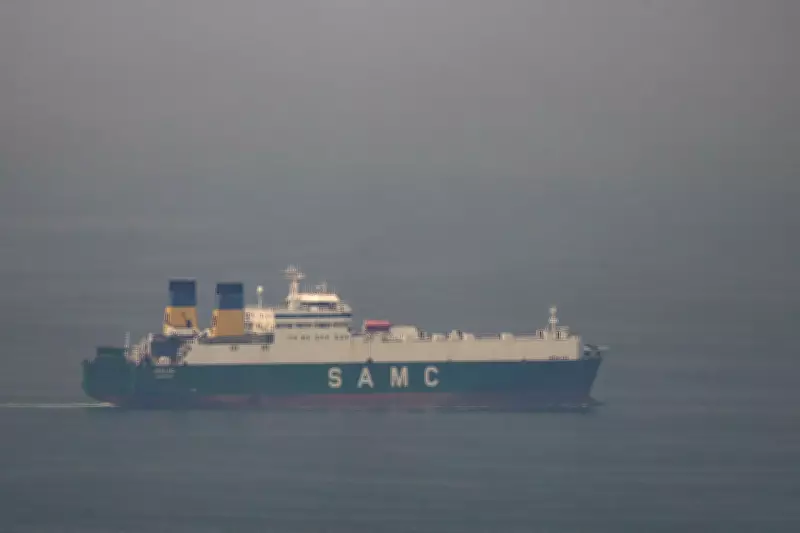
Prime Minister Sir Keir Starmer has announced that the United Kingdom is actively working with international allies to develop a viable plan aimed at reopening the Strait of Hormuz, a critical global shipping route that has been effectively closed to oil and gas tankers due to the ongoing Iran war. This diplomatic initiative comes as Sir Keir firmly resists former US President Donald Trump's demands to deploy Royal Navy warships to secure the strait, emphasising a cautious approach to avoid escalating tensions in the region.
Diplomatic Efforts Over Military Action
During a Downing Street press conference, Sir Keir Starmer outlined the UK's strategy, highlighting collaboration with European partners and other nations to formulate a collective plan. He stressed that the primary goal is to restore freedom of navigation in the Strait of Hormuz swiftly, thereby mitigating the severe economic impacts caused by the closure. The Prime Minister explicitly stated that he will not allow the UK to be drawn into a wider conflict in the Middle East, underscoring a preference for diplomatic solutions over military intervention.
Economic Implications and Domestic Measures
The closure of the Strait of Hormuz has significantly driven up global oil prices, exacerbating cost-of-living pressures worldwide. In response, Sir Keir also detailed measures to alleviate financial strain for UK households, particularly those reliant on heating oil. These domestic initiatives are part of a broader effort to cushion the economic fallout from the international crisis, demonstrating the government's dual focus on both global stability and local welfare.
Sir Keir's remarks reflect a strategic balancing act: addressing urgent international security concerns while safeguarding national interests and avoiding entanglement in broader hostilities. The UK's engagement in multilateral talks signals a commitment to peaceful resolution, even as geopolitical pressures mount from figures like Donald Trump advocating for a more aggressive military stance.