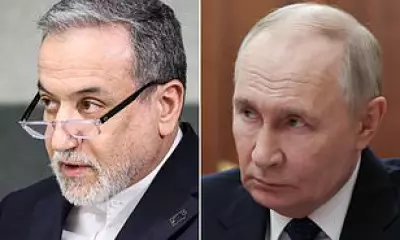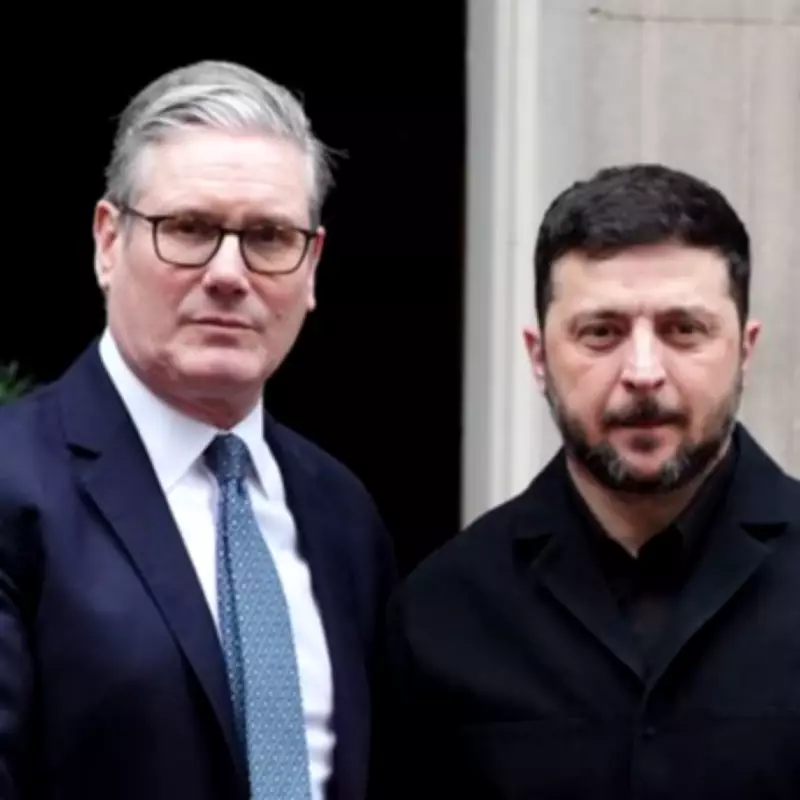
Prime Minister Keir Starmer has raised urgent concerns that the ongoing conflict in the Middle East must not be allowed to turn into a "windfall" for Russian leader Vladimir Putin, as Ukraine's President Volodymyr Zelensky prepares to visit the United Kingdom.
Zelensky's Visit and UK Military Support
UK Defence Secretary John Healey confirmed that President Zelensky will arrive in Britain on Tuesday, emphasising the nation's unwavering commitment to Ukraine amidst Russia's brutal invasion. In a statement to MPs, Healey detailed recent military aid, including the delivery of 3,500 drones, 18,000 artillery rounds, and three million rounds of small ammunition over the past month.
Healey stressed the global security landscape, noting, "We face two conflicts on two continents, supported by an axis of aggression with similar tactics and similar technologies." He reassured the Ukrainian people, stating, "We will not forget the war in Europe and our total determination to stand with Ukraine remains steadfast, and we will welcome President Zelensky to this country tomorrow."
Starmer's Warning on Putin's Potential Gains
During a Downing Street press conference on Monday, Prime Minister Starmer urged international allies not to lose focus on supporting Ukraine as tensions escalate in the Middle East, particularly with the US-Israeli war involving Iran. He declared, "It is vital that we continue to focus on supporting Ukraine," adding, "We cannot allow the war in the Gulf to turn into a windfall for Putin."
The Prime Minister highlighted that rising energy prices triggered by the Middle East conflict have inadvertently benefited Putin, despite extensive worldwide sanctions. This issue was compounded last week when the US temporarily eased sanctions on Russian oil already loaded on vessels at sea, a move that could further bolster Russia's economy.
Global Supply Chain Pressures
The conflict has intensified pressure on global supplies, especially after Iran's retaliation against Gulf states caused chaos on the Strait of Hormuz, a critical shipping route for oil. Starmer revealed that the UK is collaborating with European partners and other countries to develop a "viable, collective plan" to reopen the Strait of Hormuz and restore freedom of navigation.
He explained, "We're working with all of our allies, including our European partners, to bring together a viable collective plan that can restore freedom of navigation in the region as quickly as possible and ease the economic impacts. It'll have to be something which is agreed by as many partners as possible, is my strong view. We're not at that stage yet, but we are working hard."
Diplomatic Discussions and NATO Concerns
Starmer's comments followed a call with US President Donald Trump, who warned that the future of NATO could be at risk unless allies agreed to his demand for increased naval support. The Prime Minister noted that this remains a discussion point, stating, "It is a discussion, we are not at a point of decisions yet, I want to really stress that."
He also insisted that the UK will not be "drawn into the wider war" in the Middle East, instead focusing on efforts towards a "swift resolution" to the conflict. This stance underscores the government's aim to balance support for Ukraine with cautious engagement in Middle Eastern affairs to prevent unintended advantages for adversaries like Putin.