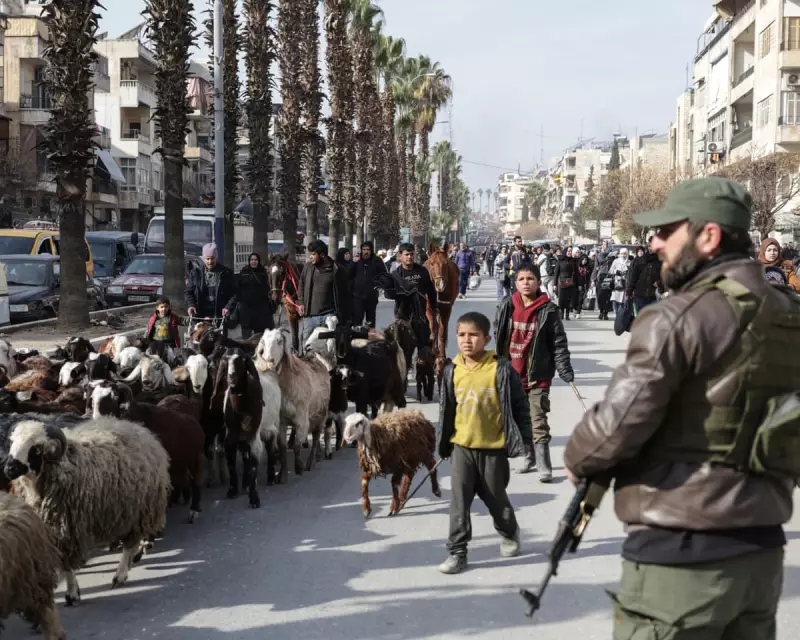
A tentative ceasefire has been declared in the Syrian city of Aleppo, following three days of intense combat between government forces and Kurdish-led fighters that forced more than 140,000 residents to flee their homes.
Terms of the Fragile Truce
The pause in hostilities, described as the most severe in Syria for over six months, took effect at 3am local time (midnight GMT) on Wednesday. According to the Syrian government's announcement, the deal stipulates that Kurdish militants must withdraw from the three contested neighbourhoods at the heart of the fighting: Sheikh Maqsoud, Ashrafieh, and Bani Zaid.
In return, they are to be granted safe passage to the north-east of Syria, territory controlled by the Kurdish-led Syrian Democratic Forces (SDF), and are permitted to take light weapons with them. However, the durability of the agreement is immediately in question, as the SDF has not yet publicly confirmed its acceptance of the truce's terms.
On-the-Ground Reality and Accusations
Residents reported that the fierce gunfire which had raged for days appeared to cease overnight. Syrian state security forces circulated videos showing clearing operations in the neighbourhoods and inspections of underground tunnels allegedly used by the SDF to move fighters and weapons beneath the city.
The conflict has been marked by bitter recriminations from both sides. The SDF has accused Damascus of war crimes, including ethnic cleansing and forced displacement, by ordering civilians to evacuate ahead of artillery shelling. Conversely, the Syrian government claims the SDF used civilians as human shields and sniped at people trying to use government-established humanitarian corridors.
Regional Stakes and International Reaction
The fighting exacerbates the deep rift between Damascus and the SDF, which controls roughly a third of Syria's territory. Negotiations to integrate the SDF into the state's new army, agreed in principle for year's end, have stalled. Damascus labels the SDF a separatist threat, while the Kurdish leadership fears for minority rights under the government.
US Special Envoy for Syria, Tom Barrack, welcomed the ceasefire on social media platform X, thanking both sides for the "restraint and goodwill" that made the "vital pause" possible. The US has long backed the SDF in the fight against Islamic State but has struggled to mediate a lasting political settlement.
Regional player Turkey, a key supporter of Damascus, views the SDF as an offshoot of the banned PKK and has offered military assistance to the Syrian government. Turkish Foreign Minister Hakan Fidan stated that the SDF's determination to hold its ground is the "biggest obstacle to peace" in Syria.
With the ceasefire's terms disputed and trust between the factions at a low ebb, the people of Aleppo face an anxious wait to see if this pause can evolve into a more stable peace or merely proves to be another fleeting respite in Syria's long war.