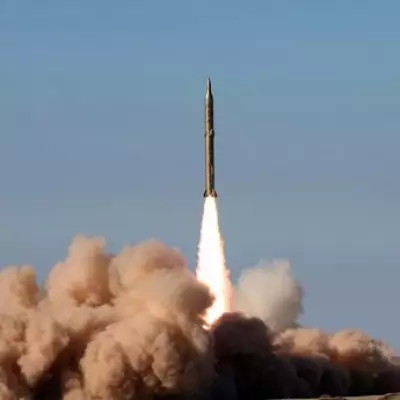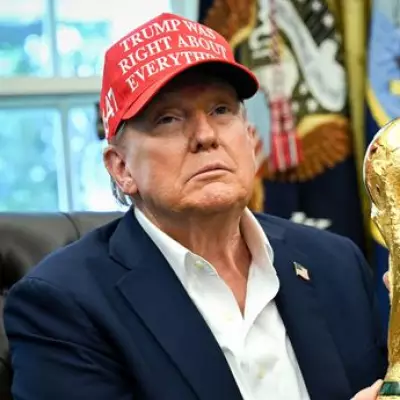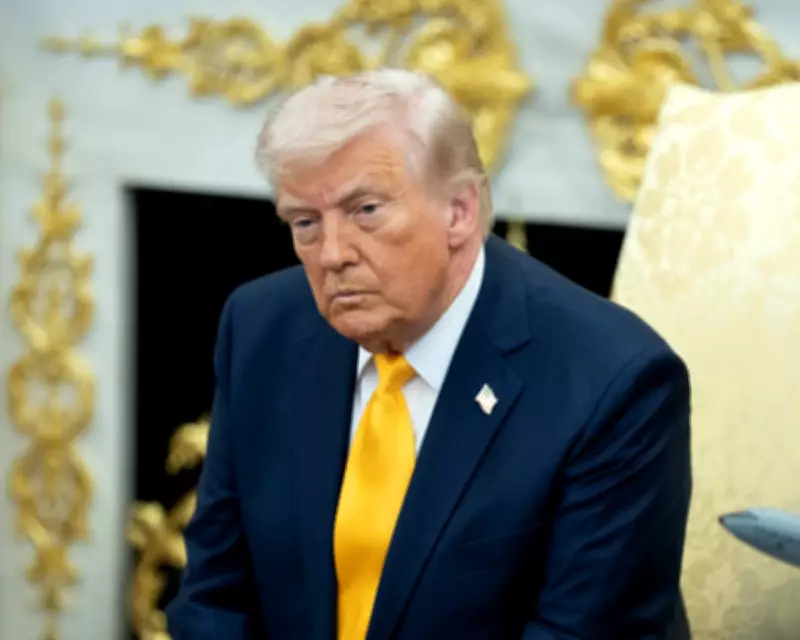
In a significant development on 19 March 2026, former President Donald Trump publicly claimed ignorance regarding Israel's advance planning to target Iran's largest gasfield, a move that has exposed deepening divisions between the United States and Israel amid their ongoing conflict with Iran. Speaking from the Oval Office during a bilateral meeting with Japanese Prime Minister Sanae Takaichi, Trump asserted on Truth Social that he had no prior knowledge of the Israeli strike on the South Pars gasfield, a key energy reserve shared with Qatar.
Trump's Oval Office Remarks and Israeli Disputes
Trump detailed that he spoke with Israeli Prime Minister Benjamin Netanyahu following the attacks, urging him to avoid further escalations that could provoke a broader regional war over energy infrastructure. "I told him: 'Don't do that,' and he won't do that," Trump remarked, adding, "But on occasion he'll do something, and if I don't like it ... and so we're not doing that any more." However, Israeli officials immediately disputed Trump's claims of ignorance, suggesting a misalignment in war aims between the two allies.
Netanyahu's Defense and Regional Implications
In response, Netanyahu denied allegations that Israel had "dragged" the US into the war, emphasizing Trump's autonomy in decision-making. "Does anyone really think that someone can tell President Trump what to do?" Netanyahu stated, later clarifying, "I misled no one." The strike on the South Pars gasfields has triggered retaliatory actions against Gulf energy infrastructure, including pipelines and natural gas processing facilities, impacting global LNG supplies, particularly to Asian economies.

Additional Key Developments from 19 March 2026
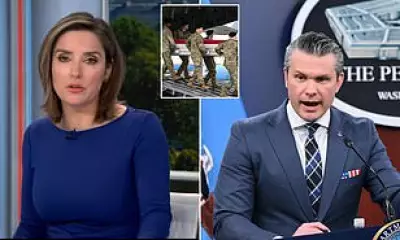
The day's events included several other notable stories. During the meeting with Prime Minister Takaichi, Trump mockingly referenced Japan's 1941 attack on Pearl Harbor when questioned about the Iran war, drawing criticism for insensitive remarks. Meanwhile, US Defense Secretary Pete Hegseth announced there is no set "timeframe" for ending the US war against Iran and did not refute reports of a potential $200 billion increase in Pentagon funding.
Economic and Political Fallout
On the economic front, US Treasury Secretary Scott Bessent indicated that sanctions on Iranian oil stranded in tankers might be lifted to curb rising prices, following Iran's closure of the Strait of Hormuz. Analysts from the Center for Strategic and International Studies estimated the war's cost at $12.7 billion by day six, with daily expenses climbing by approximately half a billion dollars. In political news, the Senate committee advanced Markwayne Mullin's nomination to lead the Department of Homeland Security, despite controversies over his alignment with Trump's immigration policies.
Broader Context and Other Incidents
Further developments included the cancellation of a public meeting for US autism advisers after Robert F. Kennedy Jr.'s committee overhaul, sparking criticism within the autistic community. A coalition of 24 states sued the Trump administration over climate regulation changes, while immigration issues surfaced with the detention of a Canadian mother and her autistic daughter by ICE in Texas. Additionally, a federal arts commission approved a gold coin bearing Trump's image for the US's 250th birthday celebration, and California legislators proposed renaming Cesar Chavez Day due to abuse allegations.
This series of events underscores the complex geopolitical and domestic challenges facing the US in 2026, with Trump's statements on the Israeli strike serving as a focal point for escalating tensions in the Middle East.