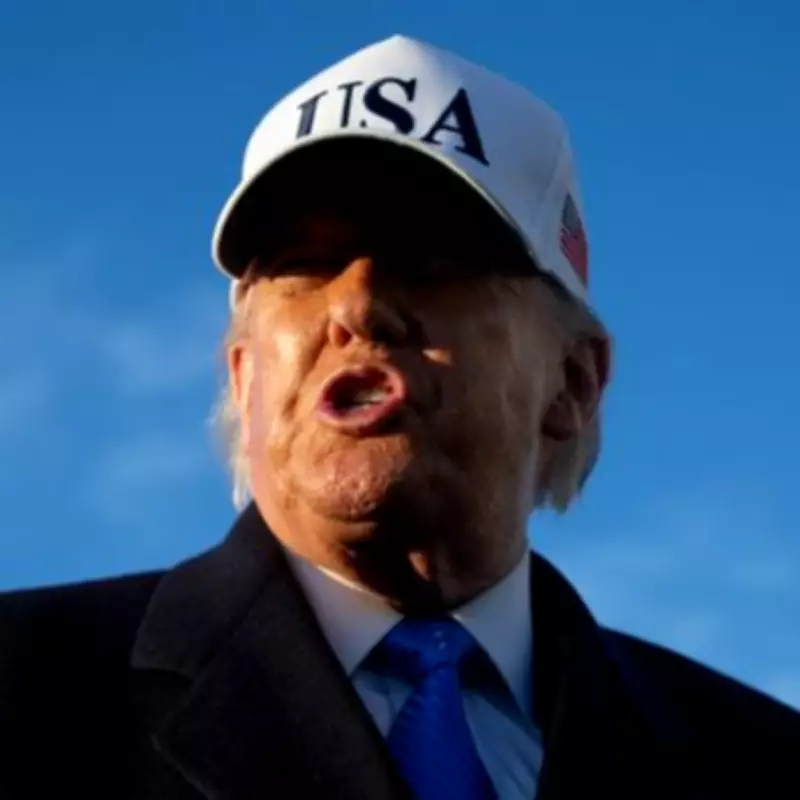
Former US President Donald Trump has made explosive allegations that Iran's new supreme leader, Mojtaba Khamenei, might not be alive, sparking international confusion and conflicting reports. During a phone call with NBC News on Saturday, Trump asserted that Khamenei has failed to appear publicly as anticipated, casting doubt on his status.
Trump's Shocking Theory Emerges
In a startling development, Trump declared, "I don't know if he's even alive. So far, nobody's been able to show him." He went further, suggesting that if Khamenei is indeed alive, he should "do something very smart for his country, and that's surrender." This statement comes amid heightened tensions and unverified claims about Khamenei's condition following alleged bombing injuries.
Conflicting Reports from Tehran and Ankara
Sources in Tehran have reportedly claimed that the 56-year-old Khamenei lost at least one leg and sustained severe abdominal injuries during a strike attributed to either the US or Israel. He is said to be receiving treatment at Sina University Hospital under heavy guard, though these details remain unconfirmed due to Iran's ongoing internet shutdown, which hampers independent verification.
In contrast, Turkey's foreign minister, Hakan Fidan, provided a contradictory account to the Associated Press, stating, "What we know is that he is alive and functioning." This assertion adds to the murky picture surrounding Khamenei's health and whereabouts, as Iranian state TV has only acknowledged injuries without providing specifics.
Background and Implications
Khamenei's expected first public statement as Iran's new supreme leader has not materialised, fueling speculation and Trump's claims. The situation underscores the volatile nature of Middle Eastern geopolitics and the challenges in obtaining reliable information from regions with restricted media access.
As the world watches closely, the lack of concrete evidence leaves many questions unanswered. The conflicting narratives from Trump, Turkish officials, and Iranian sources highlight the complexities of international diplomacy and the spread of misinformation in high-stakes political environments.