Trump Voices Displeasure with UK as Starmer Pursues Viable Strait of Hormuz Strategy
US President Donald Trump has publicly criticised the United Kingdom's response to the crisis in the Strait of Hormuz, describing it as "terrible" and expressing surprise at Prime Minister Sir Keir Starmer's reluctance to commit naval assets. The vital shipping route has been effectively closed by Iran following US-Israeli air strikes, disrupting global oil and gas supplies and escalating tensions in the region.
Starmer's Call for Collective Action
Prime Minister Sir Keir Starmer, addressing the situation at a Downing Street press conference, stated his intention to work with allies on a "viable collective plan" to restore freedom of navigation. He emphasised avoiding entanglement in a "wider war" in the Middle East, highlighting ongoing discussions with Gulf and European partners, as well as President Trump.
"We're working with all of our allies, including our European partners, to bring together a viable collective plan that can restore freedom of navigation in the region as quickly as possible and ease the economic impacts," Sir Keir said. He noted that no final decisions have been made, with potential UK contributions possibly including mine-hunting drones rather than warships.
Trump's Sharp Rebuke
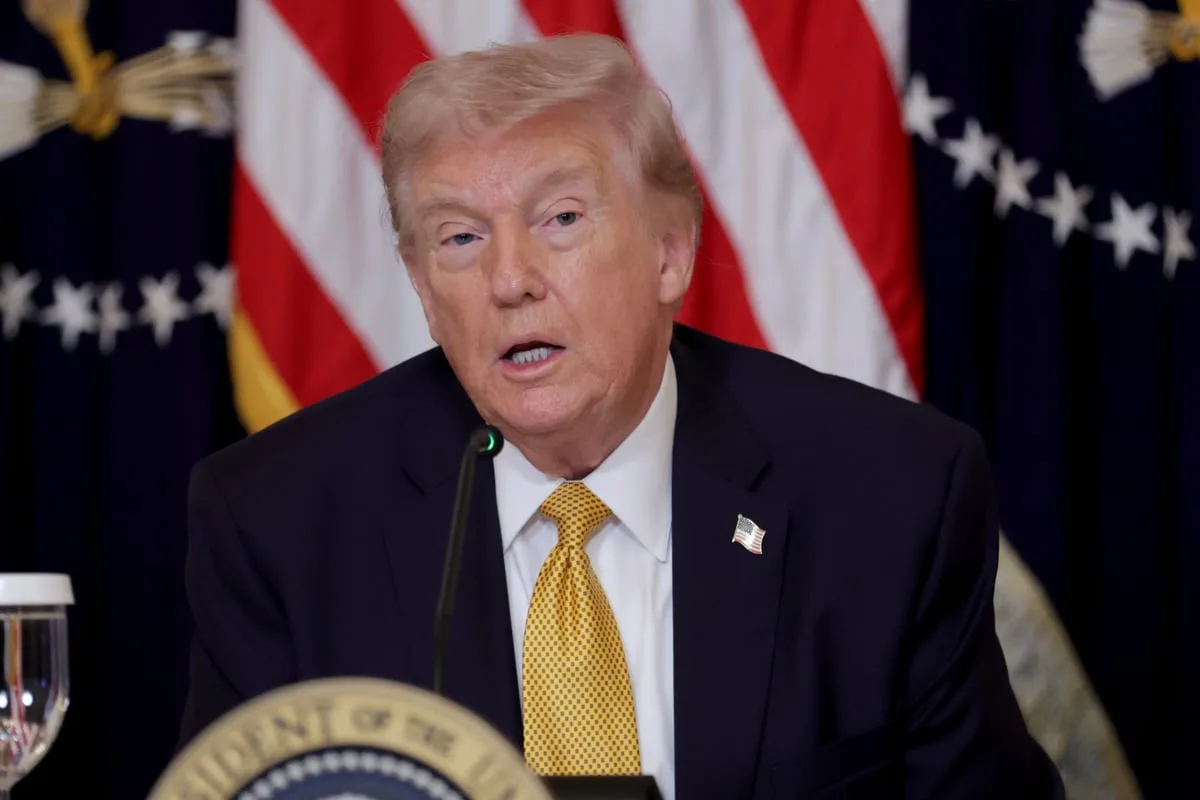
In contrast, President Trump voiced frustration over the UK's hesitation, recalling a conversation where he urged the Prime Minister to deploy ships. "I was very surprised with the United Kingdom, because the United Kingdom, two weeks ago, I said, 'Why don't you send some ships over' and he really didn't want to do it," Trump remarked. He underscored the historical alliance and US contributions to NATO, suggesting the UK should participate "enthusiastically" in any mission.
Trump also criticised Sir Keir for consulting aides after their phone call, questioning, "I said you don't need to meet with your team, you're the Prime Minister, you can make your own... why do you have to meet with your team to find out whether or not you're going to send some minesweepers to help us or to send some boats."
Domestic Energy Support Measures
Amid the geopolitical tensions, Sir Keir addressed the economic fallout from rising oil and gas prices, announcing a £53 million support package for vulnerable heating oil customers. The funding is allocated as follows:
- England: £27 million
- Northern Ireland: £17 million
- Scotland: £4.6 million
- Wales: £3.8 million
The Prime Minister issued a legal direction to energy companies to pass on savings from government policies and warned against profiteering, stating, "I simply will not allow companies to make huge profits from the hardship of working people." He did not rule out further interventions post-July when the current energy price cap expires.
Political Reactions and Broader Implications
Tory leader Kemi Badenoch questioned the depth of Sir Keir's relationship with the US, telling the Press Association, "It is not clear the Prime Minister has been involved in the planning process. All of our allies seem to be worried about how slow he is." She called for a plan aligned with the national interest rather than Labour backbenchers' preferences.
The Strait of Hormuz crisis underscores broader challenges in UK-US diplomacy and energy security, with Sir Keir balancing international cooperation against domestic economic pressures. As discussions continue, the Prime Minister's cautious approach contrasts with Trump's push for immediate military involvement, highlighting divergent strategies in addressing Middle East instability.