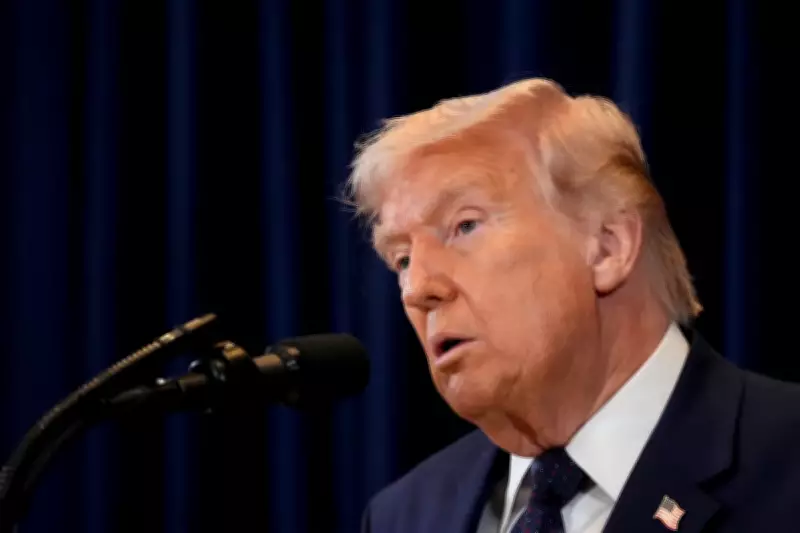
President Trump has given his strongest indication yet that the military campaign against Iran could be drawing to a close, stating that the bombing would conclude "soon" and there was "practically nothing left to target." He asserted that he could end the conflict at his own discretion, describing the war as "going great" and a form of "payback" for what he alleged were 47 years of "death and destruction" by Iran.
Contradictory Statements from U.S. Officials
These remarks directly contradict statements from Defense Secretary Pete Hegseth, who declared on Sunday that the U.S. fight with Iran was "only just the beginning." Hegseth later asserted that the U.S. was "crushing the enemy," labeling the Iranian regime as "barbaric savages" who are "desperate and scrambling." This divergence in messaging highlights internal tensions within the administration over the conflict's trajectory.
Military Operations and Impact
Gen. Dan Caine, chairman of the Joint Chiefs of Staff, reported that the U.S. had struck over 5,000 targets and sunk more than 50 Iranian vessels, underscoring the scale of the military engagement. Hostilities have persisted in the Strait of Hormuz, a critical waterway for global oil supply, contributing to rising oil prices worldwide and exacerbating economic concerns.
Humanitarian and Strategic Implications
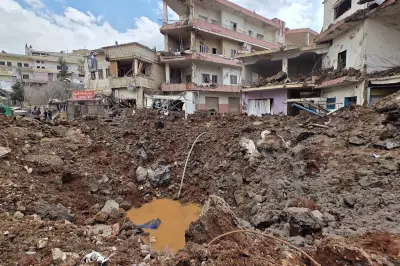
Despite Trump's optimistic assessment, the conflict has left thousands in Beirut homeless due to bombings, raising questions about the war's humanitarian toll. The strategic importance of the Strait of Hormuz means that ongoing clashes there could further destabilize energy markets, with analysts warning of prolonged economic repercussions if the situation escalates.
As Trump hints at a potential de-escalation, the contrasting views from defense officials suggest a complex and uncertain path forward, with implications for regional stability and international relations.