Trump Signals Prolonged Military Campaign Against Iran
Former President Donald Trump has indicated that the United States military could sustain its assault on Iran for four to five weeks if deemed necessary. In a telephone interview with The New York Times, Trump asserted that maintaining the intensity of the attacks "won't be difficult" for the US and Israel, citing ample ammunition reserves stored globally.
Escalating Regional Conflict Following Khamenei's Death
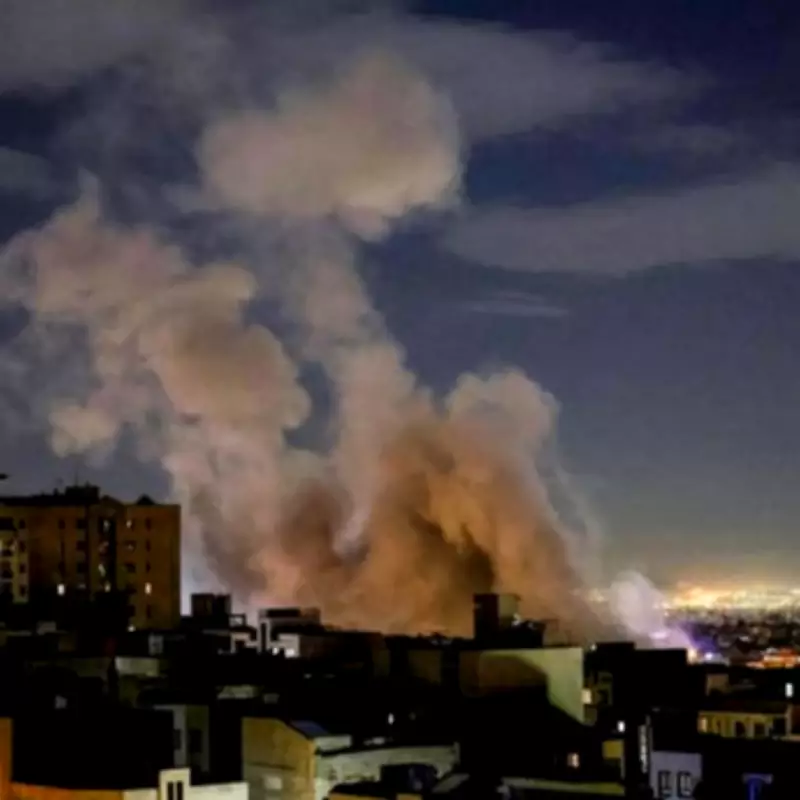
The remarks come amid heightened tensions after US and Israeli strikes resulted in the death of Iranian leader Ayatollah Ali Khamenei and three family members on Saturday. Iran has launched retaliatory strikes, targeting:
- US military bases and key economic assets
- Countries including Cyprus, Dubai, Bahrain, Kuwait, and Qatar
- Various Middle Eastern nations drawn into the conflict
Iran's First Vice President, Mohammad Reza Aref, has warned of "the most devastating offensive operation" in response to the airstrikes that killed Khamenei.

Unprecedented Israeli Military Deployment
Israel's involvement has been substantial, with more than 200 fighter jets deployed - marking the largest air force operation in its history. These strikes targeted approximately 500 sites, including anti-aircraft batteries and missile launch facilities across Iran.
UK's Defensive Stance and Base Access
Prime Minister Keir Starmer has clarified that while the UK is "not joining these strikes," Britain will permit the United States to utilize British bases for defensive operations against Iranian missile capabilities. This includes access to:
- Diego Garcia in the Indian Ocean
- RAF Fairford in Gloucestershire
Starmer emphasized this decision serves a "specific and limited defensive purpose" to protect British lives and support Gulf partners who have requested additional defensive measures. The Prime Minister stated the UK will continue defensive actions in the region and share counter-drone expertise with Gulf allies.
Contradictory Statements on Iranian Governance
During his interview, Trump presented conflicting visions regarding Iran's political future, questioning whether power might transfer to a new government or if the existing structure would be overthrown entirely. These ambiguous statements add further uncertainty to an already volatile situation.
The conflict has already caused significant disruption, with oil prices surging and stock markets tumbling following attacks that have disrupted energy supplies across the Middle East.