Trump Indicates Readiness for Dialogue with Iran as Regional Strife Grows
In a significant development, former United States President Donald Trump has publicly stated his willingness to engage in talks with Iran. This announcement comes at a critical juncture, as the Middle East faces escalating conflicts and heightened military activities that threaten regional stability.
Diplomatic Overture Amidst Rising Tensions
The expression of openness to negotiations marks a potential shift in approach, even as Trump has historically maintained a hardline stance against Iran during his presidency. The timing of this statement is particularly notable, given the deepening crises in various parts of the Middle East, where proxy wars and direct confrontations have intensified in recent months.
Analysts suggest that this move could be aimed at de-escalating the volatile situation, though the specifics of any proposed dialogue remain unclear. Trump did not outline conditions or a framework for the talks, leaving room for speculation about the potential scope and objectives of such discussions.

Context of Regional Unrest
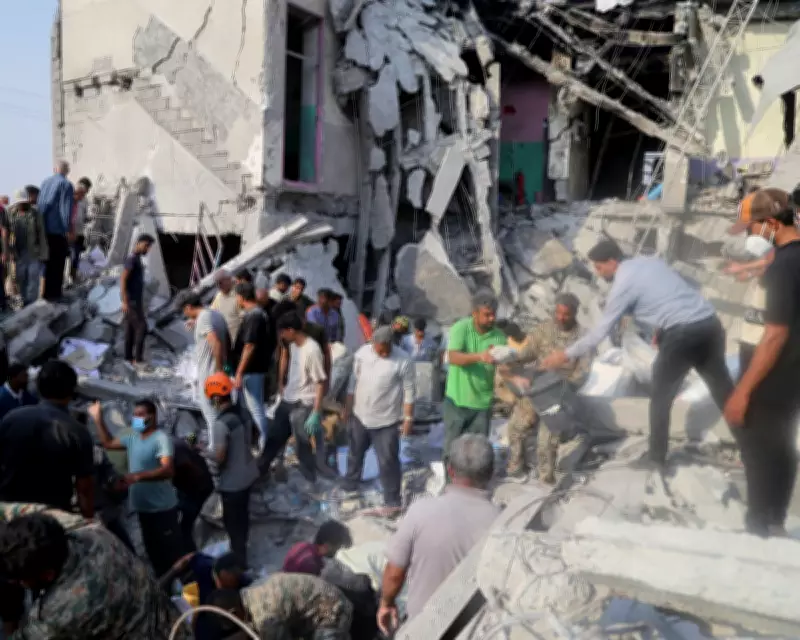
The Middle East has been grappling with multiple flashpoints, including ongoing hostilities between state and non-state actors. These conflicts have drawn in regional powers and international players, complicating efforts to achieve peace and security. The prospect of US-Iran talks, even if preliminary, introduces a new diplomatic variable into this complex landscape.
Iran has not yet issued an official response to Trump's overture, but past interactions between the two nations have been marked by deep-seated mistrust and adversarial rhetoric. The success of any future negotiations would likely depend on bridging these historical divides and addressing core issues such as nuclear proliferation and regional influence.
Implications for Global Diplomacy
Trump's statement has sparked discussions among foreign policy experts about the potential impact on international relations. Some view it as a positive step towards reducing tensions, while others caution that without concrete actions and mutual concessions, talks may not yield substantive results.
- The announcement highlights the ongoing challenges in Middle East diplomacy.
- It underscores the need for sustained engagement to prevent further escalation.
- The response from other global powers will be crucial in shaping the outcome.
As the situation continues to evolve, stakeholders are closely monitoring developments, aware that diplomatic opportunities in the region are often fragile and contingent on a multitude of factors. The coming weeks may reveal whether this opening leads to formal discussions or remains a rhetorical gesture amid persistent conflict.