Trump Voices Disappointment Over Allies' Refusal to Deploy Warships to Gulf
Former US President Donald Trump has publicly criticised key allies, including Japan, Australia, and South Korea, for their decision not to send warships to the Strait of Hormuz. This move comes as a blockade of this critical shipping route continues to disrupt global oil supplies, leading to significant spikes in fuel prices worldwide.
Surprise and Frustration from the Former President
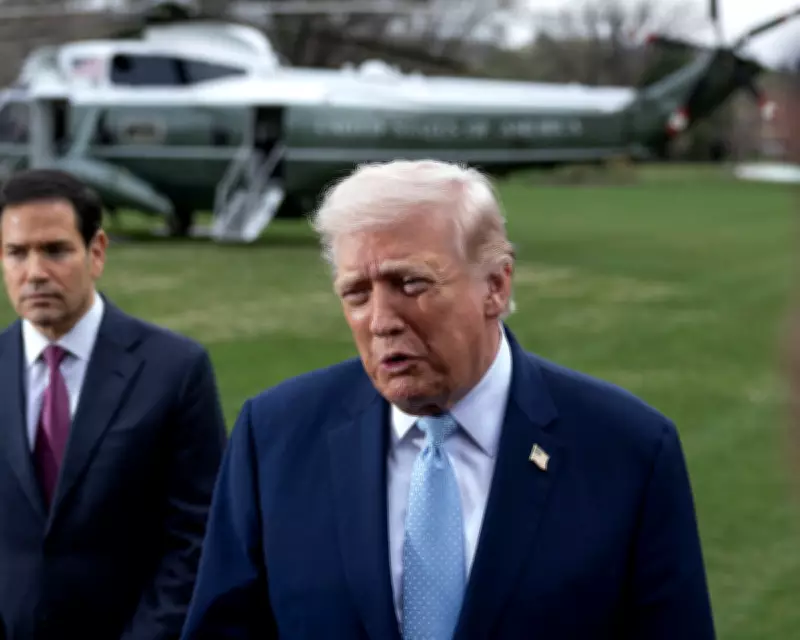
In remarks made in Washington, Trump stated he was "very surprised" by Australia's refusal to contribute naval assets to efforts aimed at securing the strait. He emphasised that the United States has historically supported these nations, suggesting their reluctance was unexpected. "Well, they should get involved, and I was a little bit surprised that they said no, because we always say yes to them," he told Sky News Australia, though he did not specify the exact nature of Australia's denial.
Earlier in the week, Trump had taken to social media to express his discontent, asserting that the US no longer requires assistance from NATO allies or countries like Japan, Australia, and South Korea in military operations against Iran. He described some NATO members as "cowards" for their unwillingness to help open the vital waterway.

Australian Government's Response and Defence Contributions
Australian Prime Minister Anthony Albanese countered Trump's claims, clarifying that Australia has not received any formal request from the US president for warship deployment. Instead, Australia has provided support as requested, including deploying an E-7 Wedgetail aircraft and air-to-air missiles to the region. Albanese highlighted Australia's participation in a joint statement with allies, coordinated by the UK, urging Iran to cease threats and expressing readiness to ensure safe passage through the Strait of Hormuz.
Deputy Prime Minister Richard Marles echoed this stance, noting that Australia is contributing to the defence of Gulf states, which aligns with national interests due to the large expatriate community in the UAE. Foreign Minister Penny Wong discussed the situation with US officials, emphasising the need for international cooperation to prevent further escalation and protect critical waterways.
Global Impact and Domestic Fuel Price Concerns
The closure of the Strait of Hormuz has triggered severe disruptions in global energy markets, with the International Energy Agency warning of unprecedented threats to oil and gas supplies. In Australia, consumers are facing soaring petrol prices, with reports of costs exceeding $3 per litre in some areas. Treasurer Jim Chalmers praised regulatory measures by the Australian Competition and Consumer Commission to coordinate fuel supply, while cautioning against price-gouging by major retailers.
In response to rising fuel costs, companies like DoorDash and Uber have implemented temporary relief programs and fare adjustments to support drivers, though these changes may affect consumer prices. The IEA has recommended actions such as reducing unnecessary travel and lowering speed limits to mitigate the impact of oil shocks.
This situation underscores the complex interplay between international diplomacy, military strategy, and economic stability, as nations navigate the challenges posed by the ongoing Middle East conflict.