Trump's Ultimatum: Military Action Looms Over Strait of Hormuz Crisis
President Donald Trump is preparing to deploy "overwhelming military force" against Iran if the regime fails to meet a critical deadline to reopen the strategically vital Strait of Hormuz, according to a key political ally's stark warning. Republican Senator Lindsey Graham has revealed he is "completely convinced" the US leader would take decisive military action should Tehran continue blocking this essential oil shipping route and refuse a diplomatic settlement.
Direct Communication and Clear Threats
In a social media post published after speaking directly with Trump, Senator Graham declared that a "massive military operation" remains firmly on the table unless Iran makes what he described as wise choices. The South Carolina lawmaker explicitly endorsed Trump's ultimatum to the Iranian government, demanding both the reopening of the Strait of Hormuz and acceptance of a proposed peace agreement, while cautioning that defiance would trigger severe consequences.
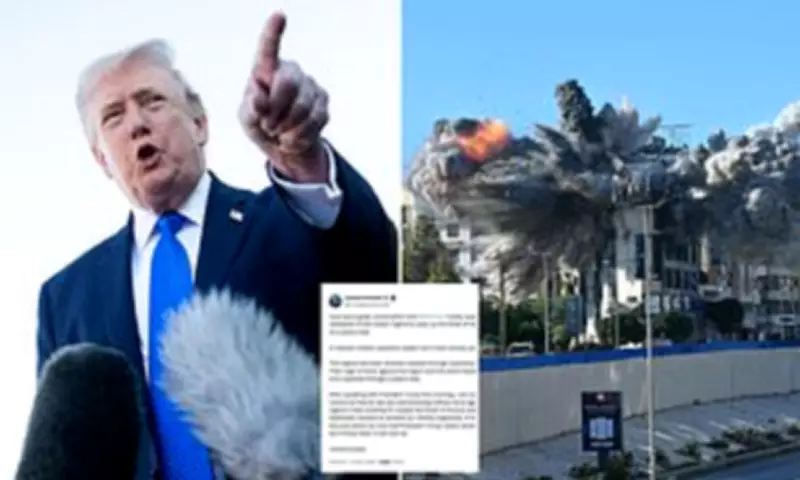
"I just had a great conversation with the President," Graham wrote on platform X. "I totally support his ultimatum to the Iranian regime to open up the Strait of Hormuz and to do a peace deal. A massive military operation awaits Iran if they choose poorly."

Operation Epic Fury and Regional Implications
Graham asserted that Iran has already been "severely crippled" by what he termed Operation Epic Fury, adding that the regime's "reign of terror" across the region should be terminated, preferably through diplomatic channels. However, he emphasized Washington's readiness to act should negotiations collapse, expressing absolute confidence that Trump "means what he says" and would employ overwhelming force if Iran persists in obstructing this crucial maritime passageway.
The Strait of Hormuz represents one of the planet's most critical maritime chokepoints, with approximately twenty percent of global oil supplies transiting through its narrow waters daily. Any military escalation in this region could therefore send powerful shockwaves through international energy markets and trigger broader geopolitical instability.
Trump's Misspelled Ultimatum and Extended Deadline
This development follows Trump's own ominous, though misspelled, threat directed at Iran concerning the Strait's closure. On his Truth Social platform, the President wrote: "Remember when I gave Iran ten days to MAKE A DEAL or OPEN UP THE HORMUZ STRAIT. Time is running out - 48 hours before all Hell will reign down on them. Glory be to GOD!" The message appeared to confuse "reign" with "rain" as regional tensions escalate around this vital shipping channel central to worldwide oil commerce.
Trump initially established a late March deadline for reopening the strategic waterway before extending it to April 6 at 8pm Eastern Time following Iranian requests for additional negotiation time. Should this deadline expire without resolution, Trump has declared his willingness to resume bombing campaigns targeting Iran's energy infrastructure.
Graham's Hawkish History and Policy Influence
Senator Graham has long stood among Washington's most hawkish voices regarding Iran, advocating for tougher measures against the Tehran regime for years. The former US Air Force reserve colonel and military lawyer has previously suggested that overthrowing Iran's leadership could provide Trump with a historic foreign policy achievement, consistently urging more aggressive American posturing in the Middle East.
Critics argue that Graham's significant influence over the President, combined with his readiness to endorse military intervention, positions him as one of the most hardline figures currently shaping US policy toward Iran. His hostility toward Tehran predates Trump's political career, with Graham supporting isolation efforts and nuclear curtailment initiatives against Iran as far back as the 1990s.

Strategic Importance and Current Shipping Situation
Since conflict erupted in Iran on February 28, control over the Strait of Hormuz has emerged as a central point of international contention. Iran has asserted dominance over this route, implementing blockades against nations supporting American-Israeli military operations while permitting access to vessels from countries it considers "friendly," including China, Russia, India, Iraq, and Pakistan.
In a recent development signaling ongoing tensions, a French vessel became the first ship from a Western nation allowed passage through the Strait last Friday following days of heightened military alert. This incident underscores the fragile nature of current maritime arrangements and the potential for rapid escalation should diplomatic efforts fail.