Trump Signals Potential End to Iran Conflict Amid Escalating Strikes
As the US-Israel war on Iran enters a critical phase, developments across the region indicate shifting strategies and ongoing hostilities. It is currently 11.30am in Tehran, 10am in Tel Aviv and Beirut, and 4am in Washington DC, with key updates emerging from multiple fronts.
Trump's Move to Wind Down Operations
In a significant development, US President Donald Trump has indicated he is considering "winding down" military operations against Iran. On Friday, he posted on his Truth Social platform, stating, "We are getting very close to meeting our objectives," marking the strongest hint yet that hostilities, which began three weeks ago, may soon conclude. This announcement comes amid a backdrop of intensified military actions and diplomatic maneuvers.
Recent Military Strikes and Attacks
Early on Saturday, Israel launched military strikes on "regime targets" in Tehran, Iran, and Hezbollah targets in southern Beirut, Lebanon. In response, Iran earlier initiated a new wave of drone and missile attacks on Israel. The conflict has had devastating local impacts, with emergency personnel working at the site of a collapsed building in central Beirut's Bachoura neighbourhood following an Israeli strike this week.

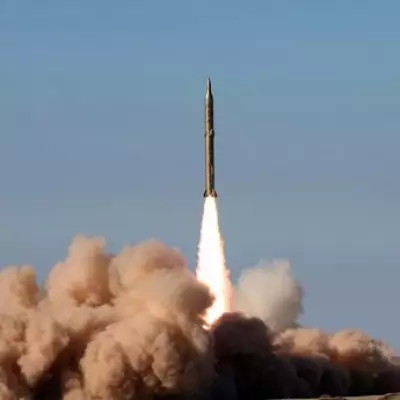
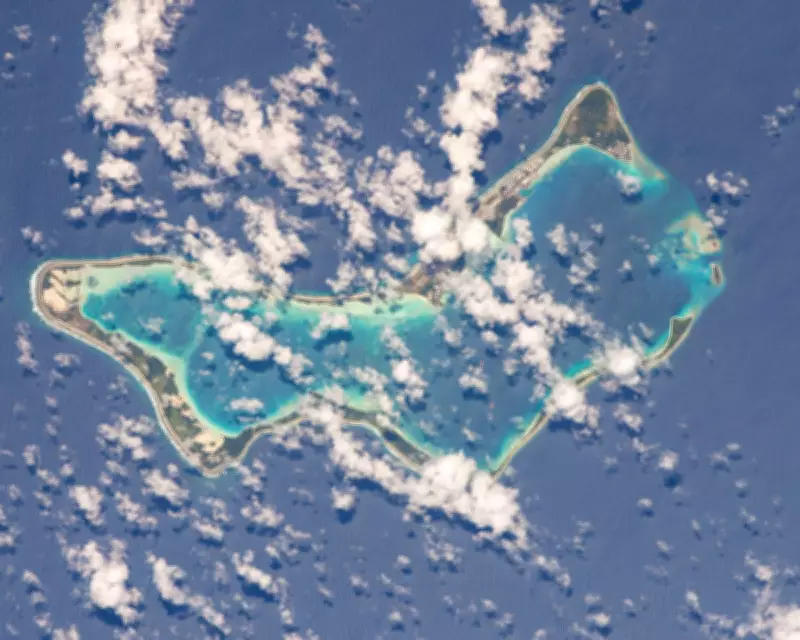
Further afield, Iran fired two intermediate-range ballistic missiles at Diego Garcia, the joint US-UK military base in the Indian Ocean. According to reports from the Wall Street Journal and CNN, citing multiple US officials, neither missile hit the base. One failed in flight, while a US warship intercepted the other with an SM-3 interceptor. The timing of these launches remains unconfirmed.
Sanctions and Global Implications
In a move to address the global supply crisis, the US has temporarily eased sanctions on Iranian oil shipments. The US Treasury authorised the delivery and sale of Iranian crude oil and petroleum products loaded onto ships before 20 March, with this waiver lasting until 19 April. This marks the third such temporary sanction waiver in approximately two weeks, highlighting efforts to stabilise energy markets amid the conflict.
Regional Tensions and Warnings
Iran's military issued a warning to the United Arab Emirates on Saturday, cautioning against allowing attacks from its territory on disputed islands—Abu Musa and Greater Tunb—in the Persian Gulf near the Strait of Hormuz. Meanwhile, Saudi Arabia reported intercepting and destroying dozens of drones overnight in the east, with neighbouring Kuwait also confirming interceptions of air attacks.
In a diplomatic gesture, Iran's foreign minister, Abbas Araghchi, told Kyodo News in an interview published on Saturday that Iran is willing to help Japanese ships navigate the Strait of Hormuz, provided coordination with Tehran. This comes as the strait faces effective shutdown, prompting criticism from Donald Trump, who expressed surprise that Australia had not sent warships to assist and labelled NATO members as "cowards" for their reluctance to help unblock the route.
Economic and Environmental Measures
The European Commission has urged EU states to lower natural-gas storage targets and begin refilling reserves gradually to curb demand, as reported by the Financial Times on Saturday. This move aims to mitigate the economic fallout from the conflict and ensure energy security in the region.
Threats and Casualties
Iran's military has escalated its rhetoric, with top spokesperson Gen Abolfazl Shekarchi warning that "parks, recreational areas, and tourist destinations" worldwide would not be safe for the country's enemies, amid retaliatory strikes in the Gulf region. On the ground, state media reported one person killed and two others wounded after an Israeli airstrike hit a house in a southern Lebanon town early on Saturday.
As the situation evolves, stakeholders continue to monitor these developments closely, with potential shifts in military strategy and international diplomacy on the horizon.