Trump's Gangster Diplomacy: A Sign of US Hegemony in Collapse
Donald Trump's recent rhetoric and actions on the global stage reveal a stark departure from traditional US foreign policy. Gone are the pretenses of moral leadership and liberation that once cloaked American power. In their place, Trump has embraced a doctrine of brute force and apocalyptic threats, which analysts argue is accelerating the very decline it seeks to arrest.
Apocalyptic Language and Colonial Gangsterism
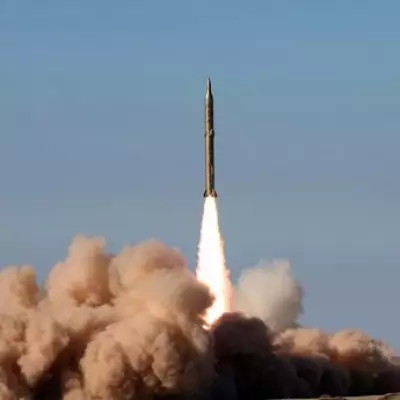
Trump's comments on Iran exemplify this shift. He has labeled Iran "a nation of terror and hate" and threatened that if it blocks the Strait of Hormuz, the US will "take out easily destroyable targets" making it "virtually impossible for Iran to ever be built back, as a Nation, again." He added with relish: "Death, Fire, and Fury will reign upon them." Such language, meant to project strength, instead portrays the morbid symptoms of a collapsing hegemony.
This approach extends beyond Iran. In Venezuela, after the kidnapping of its leader, Trump declared, "We are going to run the country," stating that oil proceeds would be controlled "by me, as President of the United States of America." He warned the new president, Delcy Rodríguez, to "behave" or face "a second strike." This is gangsterism fused with old-style colonialism, repudiating the moral language through which US power once justified itself.

The Erosion of Moral Authority
Previous US presidents understood that domination required moral cover. Ronald Reagan cast the US as "the exemplar of freedom and a beacon of hope," while George W. Bush spoke of democracy as "the inborn hope of our humanity." These were always myths, given US actions like overthrowing elected governments in Iran and Chile or the atrocities in Vietnam and Abu Ghraib. However, that moral authority functioned as a magnetic pole, drawing global support through mechanisms like the Marshall Plan, Voice of America, and USAID.
Trump has gutted these institutions, with USAID weakened by allies like Elon Musk and attempts to defund the National Endowment for Democracy reversed only by Congress. His strategy reflects a recognition that US hegemony is ending, as noted in his national security strategy critiquing elites for believing in "permanent American domination." After the Soviet collapse, US overreach led to disasters in Iraq, Afghanistan, and Libya, redistributing power to rivals like China.
Strategic Failures and Accelerating Decline
Trump's conclusion is that only brute force can arrest decline. His assassination of Iran's supreme leader, rather than triggering a wider war, was intended as a strategic application of force. Similarly, his support for Israel's actions has eroded boundaries around violence, making what once shocked now routine. While Trump promotes far-right parties in the West, even their supporters often object to him, deepening anti-Americanism and pushing allies away.
As a strategy, this will not work. Power sustained through the barrel of a gun has a short shelf life, delivering only piecemeal achievements. The catastrophe of the Iran war illustrates that the Trump doctrine can produce bloody turmoil and an accelerating erosion of US power. What we witness is not renewed strength, but a grievously wounded hegemon lashing out in its final throes.