Trump's 'Decapitate and Delegate' Foreign Policy Sparks Iran War Escalation
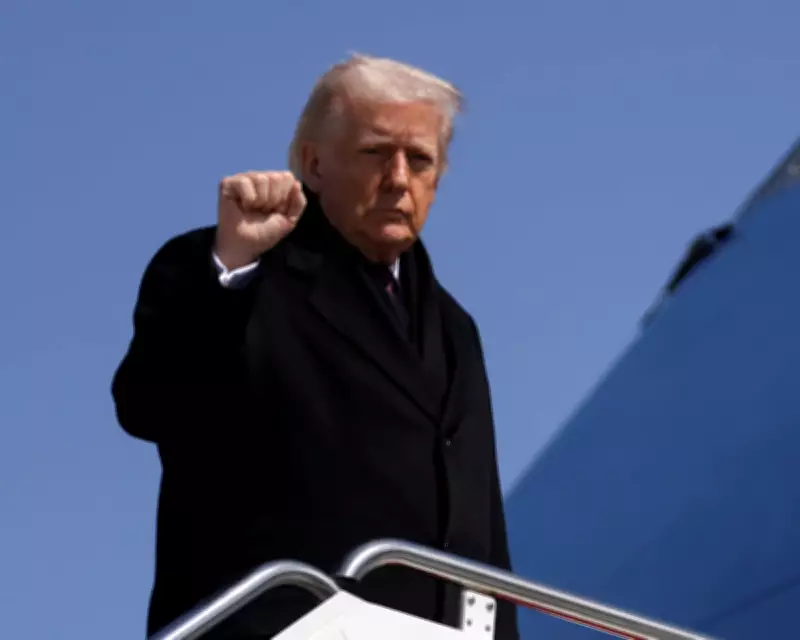
In a stark reversal of traditional diplomatic caution, a state department official recently quipped that Donald Trump has adopted a new foreign policy mantra: "Decapitate and delegate." This phrase, a cynical twist on Colin Powell's "Pottery Barn rule"—you break it, you own it—highlights the administration's reckless approach to international conflicts. Powell, as secretary of state, warned that wars often spiral out of control and are difficult to exit, but Trump appears indifferent to such consequences as the conflict with Iran escalates dramatically.
Escalating Conflict and Global Repercussions
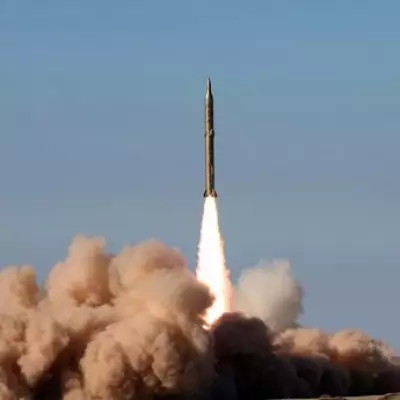
The situation worsened significantly when Israel bombed the South Pars gas field, a critical energy asset shared by Iran and Qatar. While Trump denied US involvement, his own officials and Israeli sources contradict this, suggesting Washington coordinated the attack to pressure Iran into reopening the Strait of Hormuz. Instead, the move backfired, prompting Iran to retaliate with strikes across the region. These attacks damaged a Qatari facility that supplies a fifth of the world's liquefied natural gas, leading QatarEnergy to warn of potential contract defaults with Italy, Belgium, South Korea, and China, with full production restoration possibly taking up to five years.
European leaders, already frustrated by US sanctions relief on Russian oil, now face soaring gas prices. However, American allies in the Middle East bear the brunt of the fallout. Dr. Majed bin Mohammed al-Ansari, an adviser to Qatar's prime minister, condemned the Israeli strike as "dangerous and irresponsible," while Oman's foreign minister, Badr Albusaidi, labeled the conflict a "catastrophe" and accused the Trump administration of losing control over its foreign policy.

Regional Stability and Long-Term Consequences
As noted by political scientist Prof. Nathan Brown, Israel's strategy seems to have shifted from using war to achieve political stability to making war the status quo itself. This shift threatens the economic and political systems of Gulf states, which rely heavily on energy exports for stability. Despite providing flattery, diplomatic support, and even a $400 million jet to the Trump family, these nations now feel abandoned and vulnerable, fearing further entanglement in a conflict they did not initiate.
Trump's focus remains narrowly fixed on the midterm elections, with little regard for the long-term implications of this war. Yet, the US will inevitably grapple with the consequences, including strained alliances and a destabilized global energy market. The escalating violence underscores a broader failure in foreign policy, where short-term gains are prioritized over sustainable peace, leaving the world to pick up the pieces of a broken diplomatic framework.