The carefully laid plans of Prime Minister Sir Keir Starmer for a domestic-focused 2026 have been comprehensively derailed by the turbulent return of Donald Trump to the Oval Office. The US president's unilateral actions on the global stage have demanded urgent attention from Downing Street, forcing a reluctant prime minister to prioritise international crises over home affairs.
A World Thrown into Chaos by Trump's 'America First' Agenda
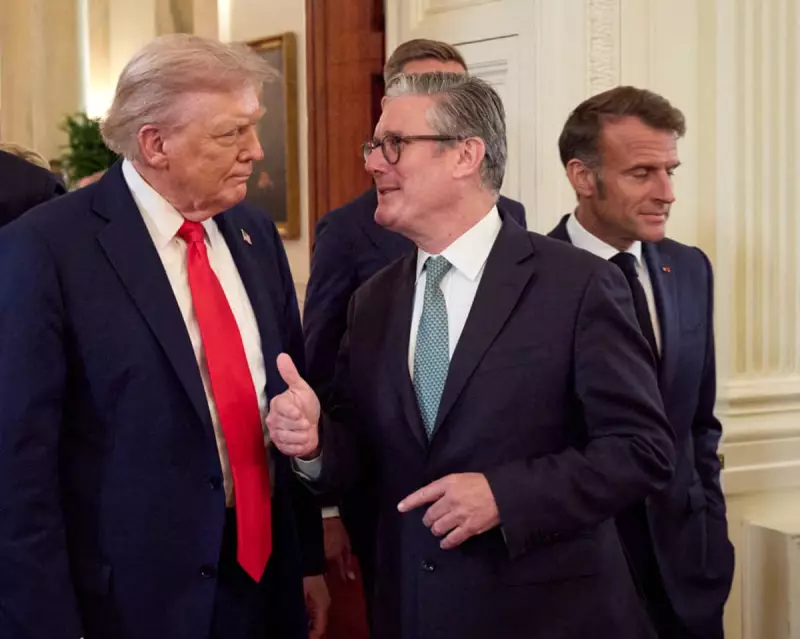
The scale of the disruption became starkly clear in August 2025, when a White House meeting between Trump, Starmer, and French President Emmanuel Macron laid bare the new American doctrine. President Trump sees no value in America's historic alliances, a perspective that has sent shockwaves through diplomatic circles from London to Paris. His administration's intervention in Venezuela and the startling summit of Ukraine's allies in Paris were just the beginning.
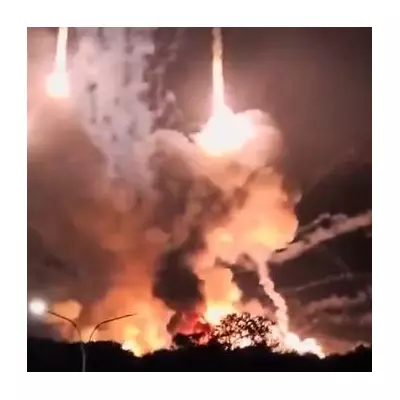
Progress on security guarantees for Kyiv was immediately overshadowed by Trump's renewed ambition to wrest control of Greenland from Denmark, a move that has left NATO partners reeling. The situation escalated further when American special forces boarded a Russian-flagged oil tanker in European waters, ostensibly to enforce a blockade against Caracas. For Sir Keir, who must now multitask on an international scale, the volatile climate created by Trump's "liberation day" tariffs and his visceral disdain for multilateral institutions has become the dominant reality of his premiership.
Brexit Britain's Strategic Bind in a Trumpian World
The MAGA vision for transatlantic relations presents a profound dilemma for the United Kingdom. It envisages a Europe of individual client states, ideally under far-right leadership, purchasing American goods and ceasing to aggregate economic power in ways that could challenge Washington. Trump's open hostility towards the European Union places post-Brexit Britain in a strategic bind: detached from the single market yet reliant on it for trade, and dependent on the US for security while losing confidence in Washington as a dependable ally.
Sir Keir's official policy attempts to navigate this chasm by pursuing closer economic ties with Europe while simultaneously engaging in parallel UK-US trade negotiations. However, ministers have recently begun speaking more plainly about the significant costs of Brexit and the duplicitous terms on which it was sold to the public, a shift reflecting widespread recognition that leaving the EU has brought Britain scant reward.
The Domestic Politics of an International Tightrope
Downing Street has grown more confident in making a pro-European argument, particularly as prominent Eurosceptics like Nigel Farage struggle to defend a project that has conspicuously failed. Yet, a critical red line remains. The government refuses to consider any reintegration with the single market that would require restored free movement of labour, a limit set for fear of provoking opposition to higher immigration. This restriction severely curtails the potential economic value of Starmer's European outreach programme.
This intricate calculation demonstrates how foreign policy and domestic politics are now inextricably intertwined. Sir Keir's awkward balancing act between European solidarity and the courtship of Donald Trump is directly connected to his difficulty in articulating a compelling national story to counter the radical, MAGA-aligned rhetoric of Reform UK. It is, fundamentally, the same struggle—a contest of values demanding unambiguous, principled leadership. It requires hard choices the Prime Minister seems reluctant to acknowledge and a clearer assertion of Britain's strategic interests in Europe that he has been too slow to pursue.