Trump's Iran Strategy: Aims, Risks, and the Realpolitik of Regime Reconstruction
Trump's Iran Strategy: Aims, Risks, and Realpolitik

As tensions escalate in the Gulf region, with the United States amassing significant military firepower, the purpose of a potential attack on Iran has come under intense scrutiny. Originally, key objectives included preventing Iran from developing a nuclear arsenal, degrading its missile capabilities, and pursuing regime change. However, Donald Trump has expanded this agenda to include a fourth aim: halting Iran's financing and arming of proxy groups like the Houthis, Hamas, and Hezbollah, which have long spread terror across the Middle East and beyond.

The Ambitious Agenda and Its Potential Rewards

This comprehensive strategy promises substantial benefits if successfully implemented. The removal of a nuclear-armed Iran would enhance global security, while ending indiscriminate missile attacks on Israel could stabilise the region. Crippling terrorist organisations and dismantling what is described as an oppressive theocracy might pave the way for a post-Islamist Iran that coexists peacefully with its neighbours. The potential prize is immense, offering a Middle East far from perfect but significantly improved from the current state of affairs.

Feasibility and Military Limitations

Despite these lofty goals, questions arise about whether such outcomes can be achieved solely through aerial strikes, which seems improbable. While Trump has ruled out ground invasions, citing no interest in nation-building akin to the Bush-Cheney era in Iraq, the reliance on air power and special forces interventions may prove insufficient. Recent strikes have reportedly eliminated key figures, including Supreme Leader Ayatollah Khamenei and top military leaders, yet the regime persists in its repressive tactics and missile launches.

The resilience of Iran's dictatorship, with its deep structures and ready replacements, complicates efforts for swift regime collapse. Moreover, the absence of an organised domestic opposition, compounded by public intimidation from past crackdowns, means that popular uprisings are unlikely without clear signs of regime weakness. This scenario echoes historical failures in regime change, particularly the 2003 Iraq invasion, which left lasting scars on the Middle East and undermined Western credibility.

Trump's Unique Approach to Regime Change

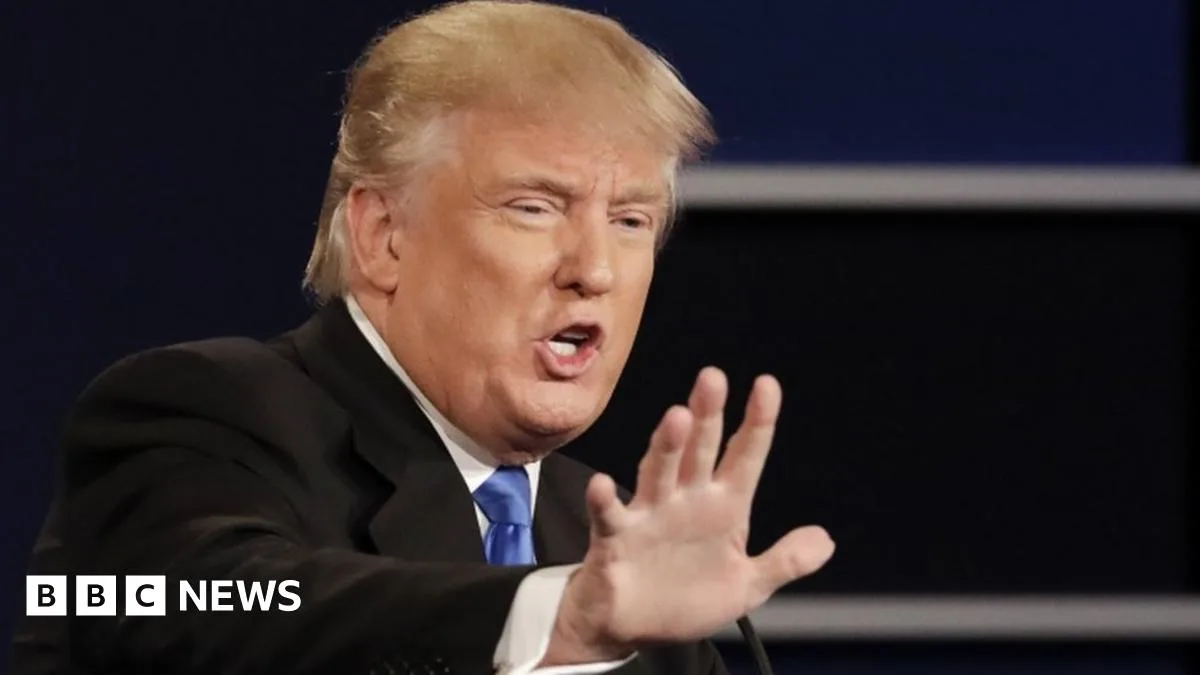
Trump's interpretation of regime change diverges markedly from previous administrations. Unlike George W. Bush and Dick Cheney, who aimed to impose democracy through occupation, Trump prioritises pragmatic outcomes over ideological transformation. His handling of Venezuela serves as a template: removing anti-American dictator Nicolas Maduro but empowering a more compliant successor rather than democratic forces. This "regime reconstruction" focuses on securing concessions like abandoning nuclear ambitions and proxy support, even if it means tolerating authoritarian governance.

This realpolitik approach, while unsettling to Western ideals, may offer a more realistic path to stability in the Gulf, where democracies are absent and pro-American dictatorships prevail. The risk lies not in its implementation but in Trump's notorious short attention span and aversion to prolonged military engagements. Success hinges on sustained commitment to effect lasting change.

Broader Context and Global Implications

The 21st century has witnessed the rise of hardline autocrats, forming an anti-West axis that has operated with relative impunity. Trump's actions in Venezuela and Iran represent a pushback against this trend, challenging powers like China and Russia that have failed to intervene effectively. While not idealistic, this strategy acknowledges a new age of realpolitik where pragmatic compromises may be necessary to achieve regional improvements.

In conclusion, while Trump's Iran strategy carries significant risks and ethical dilemmas, it aims for a transformative outcome in the Middle East. The key will be whether he can maintain focus long enough to realise these goals, offering a glimpse of a more harmonious future despite the complexities involved.