Trump's Reckless Iran Gamble Unleashes Global Economic Turmoil
Former President Donald Trump plunged the world into a dangerous conflict with Iran through a combination of arrogance and strategic delusion. Fresh from the dramatic capture of Venezuelan leader Nicolás Maduro, Trump convinced himself that a similar swift military strike could topple another regime, showcasing a simplistic approach more suited to political rallies than international diplomacy.
The Strait of Hormuz Becomes a Battlefield
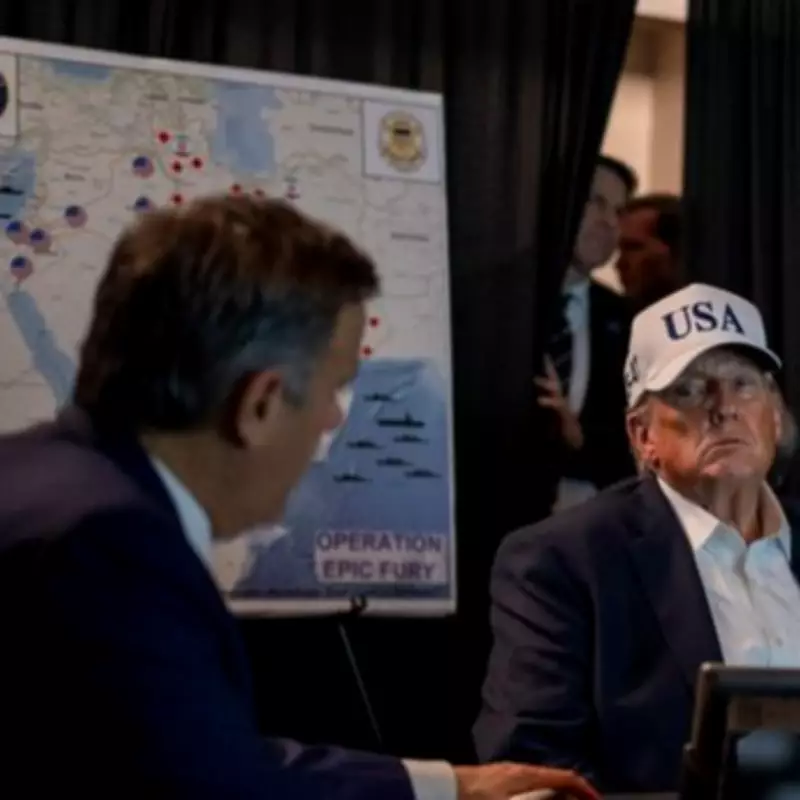
What Trump initiated on February 28 was not merely another Middle Eastern intervention. This conflict erupted beside the Strat of Hormuz, the narrow maritime corridor through which approximately twenty percent of global oil supplies flow. For generations, American leaders recognised the catastrophic economic consequences of warfare in this region and avoided military confrontation at all costs.
Trump either disregarded these warnings entirely or fundamentally misunderstood the potential fallout from his actions. Today, the nightmare scenario that experts long predicted is unfolding with devastating consequences.
Iran's Devastating Economic Retaliation
Iran has responded to American aggression by effectively closing the Strait of Hormuz to shipping, creating immediate shockwaves throughout global energy markets. Oil prices have surged dramatically while shipping insurance costs have exploded. Governments worldwide are now scrambling to shield their economies from a crisis that threatens to disrupt international trade networks.
While Trump's administration boasts about destroying Iranian naval assets and striking thousands of targets, Tehran has retaliated in the most economically damaging manner possible - by choking the vital artery through which the world's energy lifeline flows. The United States may have crippled Iran's navy, but Trump's war has torpedoed global economic stability.
From Swaggering Independence to Pleading for Help
The dramatic reversal in Trump's position has been astonishing to witness. Mere days ago, he was boasting that the war had already been won and that America required no assistance from foreign allies. Now, in an extraordinary overnight warning, Trump has told NATO members that the alliance faces a "very bad" future unless they deploy warships to escort tankers through the dangerous waters of the Strait of Hormuz.
This sudden demand raises profoundly difficult questions about international responsibility and sacrifice. Why should the sons and daughters of other nations risk their lives for a conflict they never endorsed? This was not a NATO decision reached through collective defence mechanisms or international consensus. It was a unilateral gamble initiated by Trump, reportedly encouraged by Israeli Prime Minister Benjamin Netanyahu.
The Strategic Miscalculation Exposed
For decades, military strategists warned that attacking Iran risked precisely this scenario. Iran could never defeat the United States in conventional warfare, but it could weaponise its geographical advantage. The Strait of Hormuz measures barely twenty miles at its narrowest point, with tankers from Saudi Arabia, Iraq, Kuwait, Qatar, and the United Arab Emirates passing through daily.
Disrupt this critical corridor, and the consequences ripple across the entire global economy. Iran has demonstrated exactly this capability, proving itself to be a hardened regional power that has survived decades of sanctions and military pressure rather than collapsing as Trump apparently anticipated.
International Reluctance and Unanswered Questions
Even America's closest allies have responded cautiously to calls for naval deployments, wary of being drawn deeper into a widening conflict. Countries from Japan to Australia, including European nations, have exhibited understandable hesitation about committing military resources to a crisis created through unilateral decision-making rather than collective security planning.
This crisis originated from the miscalculations and ego of one man in Washington who believed he could smash Iran's military and declare another dramatic triumph. Instead, he has unleashed both geopolitical and economic turmoil. Now he demands that the rest of the world pay the price and spill the blood of their citizens to clean up the mess he created.
The fundamental question remains unanswered: Why should international soldiers sacrifice their lives because of Donald Trump's strategic blunder and unchecked arrogance? The global community faces difficult decisions as it navigates the consequences of a conflict that threatens both economic stability and international security.