Trump's Potential Iran War: A Critical Examination of Responsibility
In the volatile landscape of global politics, the spectre of military conflict between the United States and Iran looms large, with former President Donald Trump at the centre of escalating tensions. As speculation mounts over potential aggressive actions, a profound analysis of responsibility becomes imperative, delving into the geopolitical ramifications and ethical considerations of such a confrontation.
Geopolitical Context and Escalating Tensions
The relationship between the US and Iran has been fraught with hostility for decades, marked by sanctions, proxy conflicts, and diplomatic breakdowns. Under Trump's administration, this animosity intensified, with the withdrawal from the Iran nuclear deal in 2018 and a series of provocative moves, including the assassination of Iranian General Qasem Soleimani in 2020. These actions have set a precarious stage, where any miscalculation could spiral into full-scale war, destabilising the Middle East and beyond.
Trump's rhetoric and policies have consistently framed Iran as a primary adversary, advocating for a hardline stance that prioritises military might over diplomacy. This approach has not only alienated traditional allies but also emboldened hardliners in Tehran, creating a feedback loop of aggression. The potential for conflict is exacerbated by domestic political pressures in both nations, where leaders may view military posturing as a means to consolidate power or divert attention from internal crises.
Assessing Responsibility in a Complex Arena
When evaluating responsibility for a potential Iran war, it is crucial to move beyond simplistic blame and consider the multifaceted actors involved. Trump's role is significant, as his decisions have directly heightened risks, but responsibility also extends to other key players:
- Iranian Leadership: The regime's support for militant groups and pursuit of nuclear capabilities contributes to regional instability, justifying defensive measures in the eyes of some analysts.
- International Community: Allies and global institutions have often failed to mediate effectively, with some nations exacerbating tensions through arms sales or political alliances.
- Domestic Influences: In the US, political factions, media narratives, and lobbying groups shape foreign policy, creating an environment where hawkish strategies gain traction.
This complexity underscores that while Trump may bear substantial responsibility, a war would result from a confluence of factors, including historical grievances and systemic failures in international diplomacy. The ethical dimension cannot be ignored; launching a conflict without exhausting peaceful avenues raises profound moral questions about accountability for human suffering and geopolitical chaos.
Potential Consequences and Global Implications
A military engagement between the US and Iran would have far-reaching consequences, extending beyond immediate casualties to reshape global dynamics. Key impacts could include:
- Regional Destabilisation: The Middle East, already a hotspot for conflicts, could see intensified violence, with proxy wars escalating and humanitarian crises worsening in countries like Yemen and Syria.
- Economic Disruption: Global oil markets would likely experience severe volatility, given Iran's significant role in energy production, potentially triggering inflation and economic slowdowns worldwide.
- Diplomatic Fallout: Trust in international institutions like the United Nations could erode further, as nations take sides, undermining efforts for collective security and cooperation.
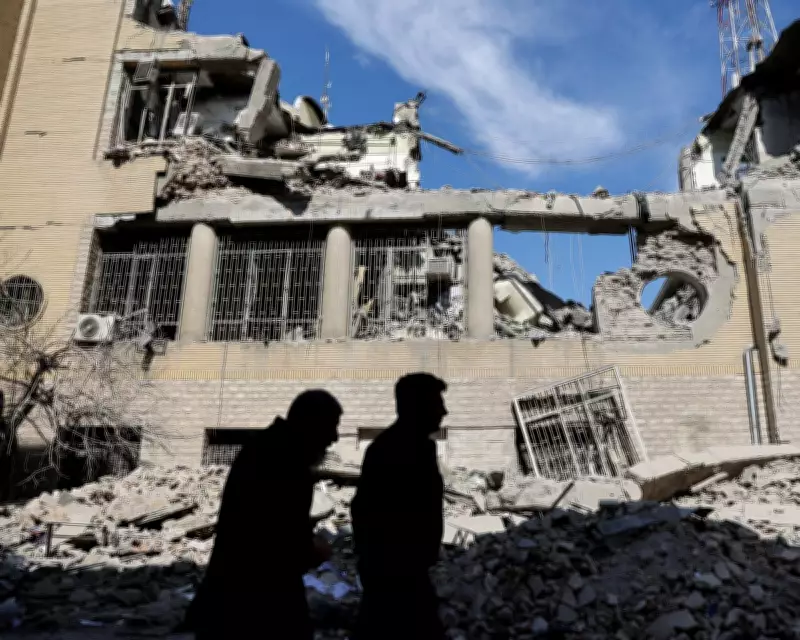
- Humanitarian Toll: Civilian populations would bear the brunt of any conflict, with displacement, casualties, and long-term trauma affecting millions, raising urgent questions about war crimes and accountability.
Moreover, such a war could set dangerous precedents, normalising pre-emptive strikes and undermining norms of sovereignty, with ripple effects felt in other geopolitical flashpoints, from Ukraine to the South China Sea. The responsibility to mitigate these risks lies not only with leaders like Trump but with a global commitment to dialogue and restraint.
Moving Forward: Pathways to De-escalation
To avert a catastrophic conflict, proactive measures are essential. Diplomacy must be revitalised, with renewed efforts to engage Iran in negotiations, perhaps through multilateral frameworks that address security concerns for all parties. The international community can play a pivotal role by:
- Encouraging confidence-building measures, such as arms control agreements or humanitarian exchanges.
- Supporting regional dialogues that include voices from civil society and neutral mediators.
- Holding leaders accountable through legal and political channels, ensuring that decisions for war are scrutinised and debated openly.
Ultimately, the question of responsibility for a potential Iran war is not just about assigning blame but about fostering a culture of prevention. By learning from past conflicts and prioritising peaceful resolution, the global community can steer away from the brink, safeguarding stability for future generations. In this context, Trump's actions serve as a stark reminder of the need for vigilant oversight and ethical leadership in an interconnected world.