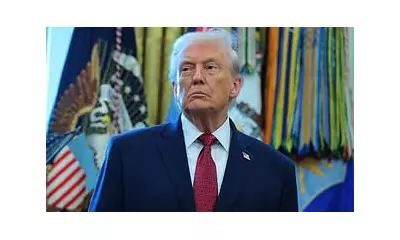

Former US President Donald Trump has endorsed a highly contentious 28-point peace proposal aimed at ending the Russia-Ukraine war, sparking fierce criticism from European allies who describe it as requiring Ukraine's capitulation.
The Controversial Peace Proposal
According to multiple reports, the comprehensive peace plan focuses on security guarantees, European security architecture, and future US relations with both Russia and Ukraine. The proposal has generated significant outrage due to provisions that would compel Kyiv to surrender additional territory to Russia and substantially reduce its military capabilities.
Trump's special envoy, Steve Witkoff, has reportedly discussed the framework with Russian representative Kirill Dmitriev and Volodymyr Zelensky's security adviser Rustem Umerov, according to officials from both Washington and Kyiv.
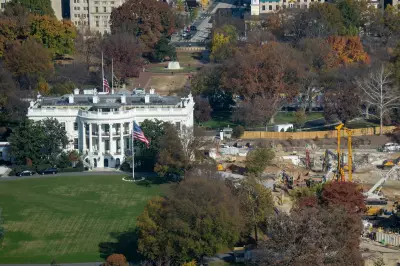
The diplomatic tensions escalated during a White House meeting last month between Trump and Zelensky, which sources describe as descending into a shouting match. Reports indicate Trump became agitated, shouting and swearing while dismissing Ukrainian battlefield maps. Although the former president denied such an exchange occurred, he subsequently called for a ceasefire along current front lines.
Key Demands of the Secret Plan
Details emerging from Wednesday night briefings reveal the plan demands Ukraine surrender the entire Donetsk region as a precondition for peace. The arrangement would require Kyiv to cede control of the eastern Donbas region while maintaining legal ownership, with Russia paying an unspecified rental fee for de facto control.
Two anonymous sources confirmed the proposals include reducing Ukraine's armed forces by half and prohibiting the military from possessing long-range missiles, significantly limiting Ukraine's defensive capabilities.
US Secretary of State Marco Rubio neither confirmed nor denied the specific demands when questioned. In a social media statement, he emphasised that Washington "will continue to develop a list of potential ideas for ending this war based on input from both sides of this conflict."
Rubio added that achieving durable peace would require "both sides to agree to difficult but necessary concessions," though he didn't specify what concessions Russia would need to make.
International Reactions and Previous Failures
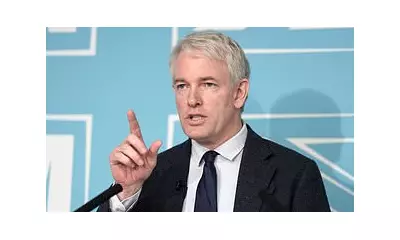
European leaders have universally rejected the proposed framework. EU Foreign Policy Chief Kaja Kallas insisted any agreement must have European countries and Ukraine itself fully onboard.
Polish Foreign Minister Radoslaw Sikorski argued that Ukraine, as the conflict's victim, should not face restrictions on its self-defence capabilities. French Foreign Minister Jean-Noel Barrot stated unequivocally: "Ukrainians want peace – a just peace that respects everyone's sovereignty, a durable peace that can't be called into question by future aggression. But peace cannot be a capitulation."
This represents Trump's latest attempt to broker peace between Ukraine and Russia, following an August summit in Alaska with Vladimir Putin. Although both leaders described those talks as productive, no substantive agreements emerged.
The Kremlin maintained its consistent position on Thursday, stating any peace plan must address the conflict's "root causes" while confirming that although contacts with the US continue, no formal negotiations are currently underway.
This developing situation highlights the complex diplomatic challenges facing any potential resolution to the ongoing conflict, with Western allies deeply divided over the appropriate path toward peace.