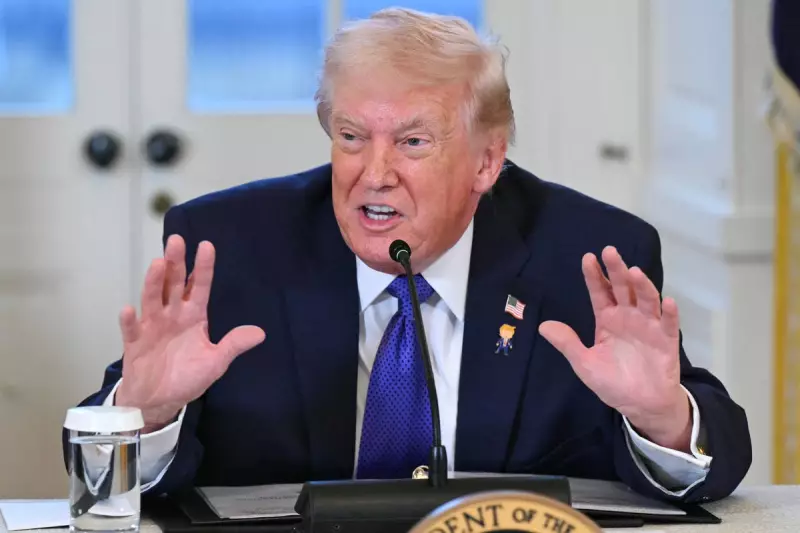
Former US President Donald Trump has issued a stark warning to the Cuban government, declaring the island nation is "ready to fall" following the capture of Venezuelan leader Nicolas Maduro.
Trump's Ultimatum on Social Media
In a series of posts on his Truth Social platform on Sunday 11 January 2026, Trump stated that Cuba would now receive "zero" oil or financial support from Venezuela. This dramatic shift follows years of Venezuela acting as Cuba's primary economic patron.
Trump claimed that in exchange for "Security Services," Cuba had historically received significant shipments of oil and money from the Maduro regime. His online declaration urged Cuban officials to "make a deal, BEFORE IT IS TOO LATE."
Geopolitical Shift After Maduro's Capture
The warning coincides with a major change in regional dynamics. Venezuela, under its new leadership following Maduro's capture by US forces, has begun sending previously sanctioned oil directly to the United States.
This move effectively cuts off a vital economic lifeline for Havana. Trump's posts included a lighthearted suggestion that US Secretary of State Marco Rubio could become Cuba's next president, highlighting the perceived vulnerability of the current regime.
US Pressure Intensifies on Havana
Secretary of State Rubio has echoed Trump's severe tone, stating publicly that Cuba is now "in a lot of trouble." This underscores the Biden administration's continued strong disapproval of the Cuban government, which it accuses of having propped up Maduro's rule.
The combined statements from two key American political figures signal a concerted effort to increase pressure on Cuba. The loss of Venezuelan oil subsidies presents a potentially crippling economic challenge for the island, which has long relied on such support.
Analysts suggest this development could force Cuba into urgent negotiations with Washington or risk severe internal instability. The situation marks one of the most significant geopolitical realignments in the Caribbean in recent years.