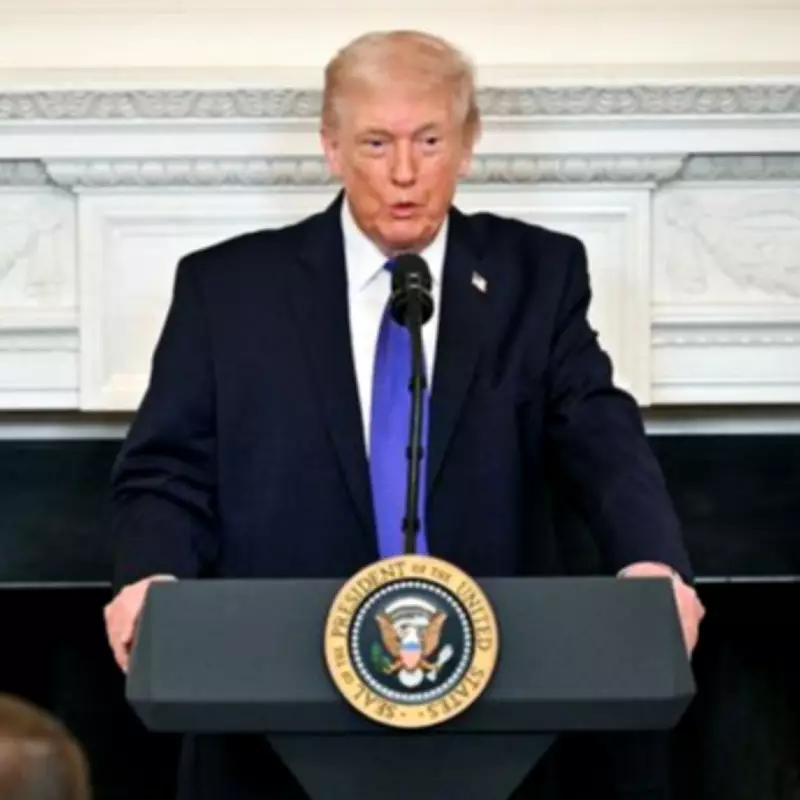
In a stark announcement that has sent shockwaves through international diplomatic circles, former United States President Donald Trump has declared he is actively "considering" a military strike against Iran. This chilling update comes amid soaring fears of a full-scale war erupting in the volatile Middle East region.
Escalating Tensions and Military Posturing
The geopolitical landscape has grown increasingly tense, with Iran conducting its annual joint military exercises with Russia just this Thursday. Simultaneously, a second American aircraft carrier has been deployed, drawing closer to the Middle East, signalling a significant ramp-up in military readiness from the United States.
Both nations have openly indicated their preparedness for war should the protracted negotiations over Tehran's nuclear programme ultimately collapse. Trump has publicly stated that he believes a window of 10 to 15 days is "enough time" for Iran to secure a viable nuclear agreement, yet the talks have remained deadlocked for years without resolution.

Stalled Negotiations and Unmet Demands
The indirect discussions held in recent weeks have yielded little visible progress, leading analysts to speculate that one or both sides may be strategically buying time to complete final preparations for potential armed conflict. Iran has consistently refused to engage with broader demands from the United States and Israel, which include scaling back its missile development programme and severing ties with various armed militant groups across the region.
Iran's ruling theocracy finds itself in a notably vulnerable position following a series of devastating Israeli and US strikes on its nuclear facilities and military infrastructure last year. These attacks were compounded by widespread mass protests in January, which were met with violent suppression by state authorities, further destabilising the internal political situation.
A Region on the Brink
The combination of military drills, carrier movements, and Trump's ominous statements has created a perfect storm of anxiety. The spectre of conflict looms large, with the international community watching nervously as diplomatic efforts appear to falter. The situation underscores the fragile balance of power in the Middle East, where historical animosities and contemporary geopolitical rivalries continue to threaten regional and global security.
As the world awaits further developments, the potential for miscalculation or escalation remains dangerously high, making this one of the most critical international security crises of the decade.