Trump Sets Tuesday Night Deadline for Iran Deal, Threatens 'Hell' in Profane Rant
Trump's Tuesday Deadline for Iran Deal with 'Hell' Threat

Trump Issues Explicit Tuesday Deadline for Iran with Profane 'Hell' Threat

Former President Donald Trump has publicly declared a precise deadline for Iran to negotiate a deal and reopen the critical Strait of Hormuz, accompanying his demand with a profanity-laden threat of unleashing "hell" upon the nation. In a series of posts on his Truth Social platform this Easter Sunday, Trump escalated tensions by setting Tuesday at 8:00 PM Eastern Time as the cutoff, warning of catastrophic consequences if Iran fails to comply.

Profane Ultimatum and Infrastructure Threats

Trump's extraordinary message, posted less than twelve hours after he announced the successful rescue of a missing U.S. fighter pilot from Iran, read: "Tuesday will be Power Plant Day, and Bridge Day, all wrapped up in one, in Iran. There will be nothing like it!!! Open the F***in' Strait, you crazy b*****ds, or you'll be living in Hell - JUST WATCH! Praise be to Allah." Critics swiftly condemned the expletive-filled outburst as inflammatory and reckless.

In a follow-up post, Trump simply stated: "Tuesday, 8:00 P.M. Eastern Time!" reinforcing the deadline. When contacted directly by reporters seeking clarity on his ever-shifting timelines, the former president reiterated the ultimatum, telling some he could "blow up the whole country" if Iran does not act by Tuesday night.

Wide Pickt banner — collaborative shopping lists app for Telegram, phone mockup with grocery list

Expanding Threats to Civilian Targets

Trump elaborated on his threats in an interview with the Wall Street Journal, stating, "If they don't do something by Tuesday evening, they won't have any power plants and they won't have any bridges standing." This marks an escalation from previous warnings; in late March, he threatened to "obliterate" Iran's power plants within forty-eight hours unless the Strait of Hormuz was reopened, a vital waterway through which a fifth of the world's oil passes. He later extended that deadline amid claimed productive talks, which Iranian officials denied.

When asked by ABC's political correspondent Rachel Scott if he would postpone the Tuesday deadline, Trump reportedly responded, "I don't want to talk about it, they have plenty of time to make a deal. If they don't want to make a deal — their whole country is gone." Scott also inquired if the conflict would conclude within two to three weeks, as Trump suggested in a national address last Wednesday, to which he said, "It should be days, not weeks. It should be wrapped up in days because no sane group of people could stand the punishment that's going to rain down on them if it's not."

International Law Concerns and Civilian Impact

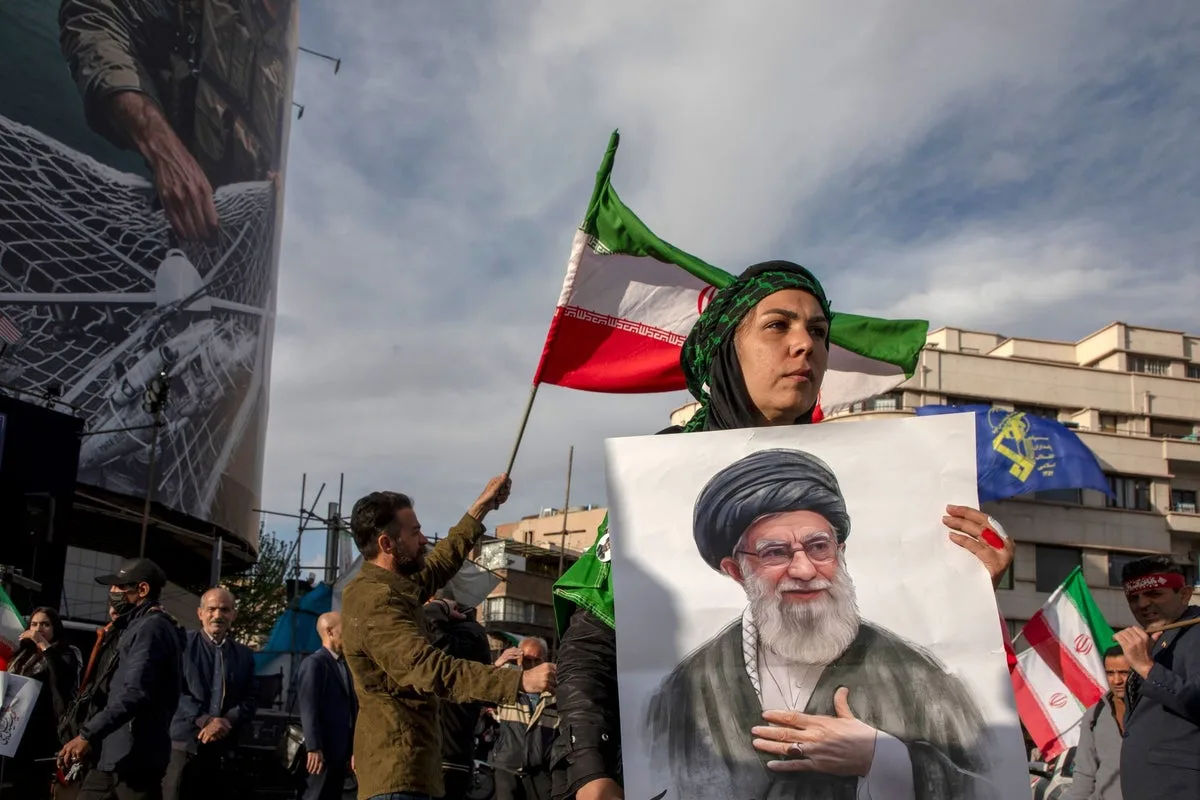
Trump's indication that he is considering targeting Iranian civilian infrastructure, such as power plants and bridges, raises serious concerns about potential violations of international law, which typically prohibits attacks on non-military targets. Iran is home to approximately ninety-three million people, and such strikes could cause widespread suffering.

When questioned by the Wall Street Journal about the potential impact on Iranian civilians, Trump claimed that the people "want us to do it," adding they are "living in hell." Similarly, he told Scott "the civilians want me to do it," dismissing humanitarian worries. Despite these assertions, experts warn that targeting infrastructure could lead to severe humanitarian crises, including power outages, disrupted transportation, and loss of essential services.

Trump's Narrative of Victory and Military Claims

Trump and his allies continue to promote the idea that the war is already won, with Iran's military capabilities severely degraded. In a primetime address last week, Trump told Americans, "Never in the history of warfare has an enemy suffered such clear and devastating, large-scale losses in a matter of weeks," before boasting that the U.S. was "winning and now winning bigger than ever before." This rhetoric contrasts with ongoing diplomatic efforts and the volatile situation in the region.

The situation remains fluid as the Tuesday deadline approaches, with global observers closely monitoring for any developments or escalations. Trump's profane threats and explicit timeline have intensified fears of a broader conflict, underscoring the high stakes involved in the Strait of Hormuz dispute.

Pickt after-article banner — collaborative shopping lists app with family illustration