Former US President Donald Trump has engaged in high-stakes diplomacy, discussing his controversial 28-point proposal to end the war in Ukraine with British Prime Minister Keir Starmer. This development comes as Trump imposed a strict deadline on Ukrainian President Volodymyr Zelensky to agree to the deal, which involves significant concessions from Kyiv.
The Trump-Starmer Discussion and Peace Plan Details
In a significant diplomatic move, Donald Trump has spoken directly with Prime Minister Keir Starmer about his comprehensive strategy to resolve the conflict between Russia and Ukraine. The proposed peace plan contains 28 specific points that would fundamentally reshape Ukraine's position. According to the proposal, Ukraine would be required to cede a portion of its territory to Russia and reduce its military capacity by half. Furthermore, the plan mandates that elections must be held within 100 days of the agreement being implemented.
This conversation occurred shortly after Trump delivered an ultimatum to Ukrainian leadership, giving President Zelensky until next Thursday to accept the proposed terms. The tight deadline has created considerable pressure on the Ukrainian government as it weighs these substantial demands against the ongoing conflict.
Shifting Positions and International Reactions
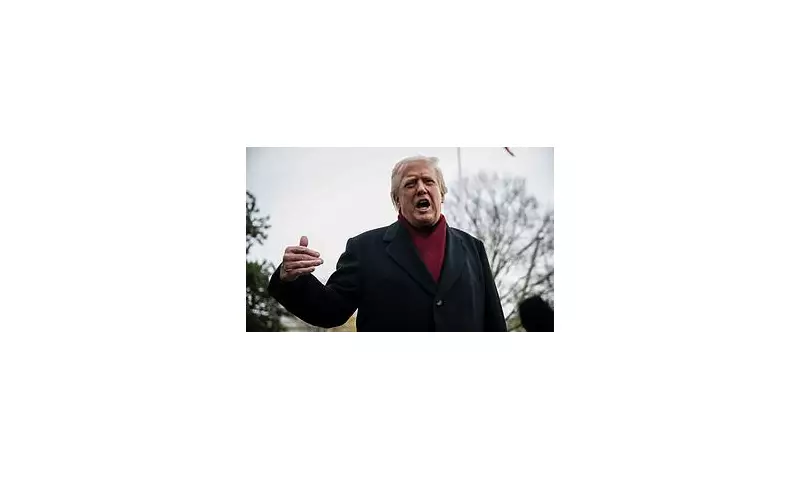
Following his discussion with Prime Minister Starmer, who had separately expressed support for Ukraine in a call with Zelensky on Saturday, Trump appeared to moderate his previously firm stance. When speaking to reporters, the former president indicated that his initial proposal might not be his final position, stating his peace deal is 'not my final offer'.
Trump elaborated on his position, emphasising that 'We'd like to get to peace. It should've happened a long time ago'. He further reinforced his long-standing criticism of the conflict's origins, asserting that 'The Ukraine war with Russia should have never happened. If I were president, it never would have happened'. The former president stressed the urgency of resolution, adding 'We're trying to get it ended. One way or the other we have to get it ended'.
Consequences of Rejection and Future Implications
When questioned about potential outcomes should President Zelensky reject the proposed agreement, Trump delivered a pointed response. He suggested that if the Ukrainian leader declines the terms, 'Then he can continue to fight his little heart out'. This remark underscores the high-stakes nature of the current negotiations and the significant pressure on Ukraine to consider concessions that would dramatically alter its sovereignty and security posture.
The involvement of Prime Minister Starmer in these discussions highlights the United Kingdom's continued engagement in seeking a resolution to the conflict, even as it maintains support for Ukrainian sovereignty. The evolving situation suggests potential shifts in the diplomatic approach to ending the war, with Trump's plan representing one of the most detailed public proposals to date.