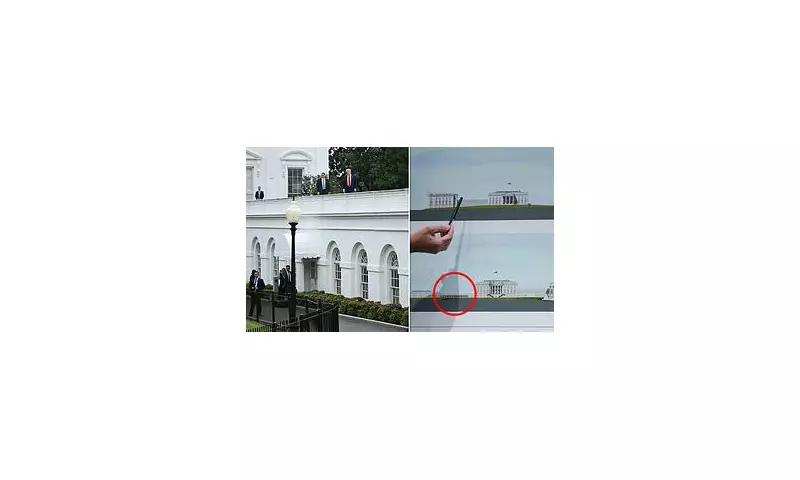
The architect leading the controversial redesign of the White House to accommodate a lavish new ballroom has unveiled plans that include a significant expansion of the West Wing. Shalom Baranes presented the preliminary designs to the National Capital Planning Commission (NCPC) on Thursday, marking the first public airing of President Donald Trump's ambitious renovation project.
Designs Unveiled for "Symmetry"
Baranes presented large cardboard renderings to the commission, the body overseeing federal construction in Washington, D.C. The core plan involves rebuilding the East Colonnade as a two-storey structure, replacing the original single level torn down with the East Wing last October. This new colonnade would allow guests to enter the proposed ballroom directly from the historic East Room.
However, this change would leave the White House looking unbalanced. To address this, Baranes disclosed a proposal to add a one-storey extension to the West Colonnade. "Here you see the upper level of the East Colonnade and the potential for a future addition, a one-story addition to the West Wing," Baranes explained. "The reason to think about that is so we would reinstate the symmetry around the central pavilion of the White House."
He later clarified that this expansion would be limited to the colonnade area, which currently houses the White House briefing room and reporters' offices, and would not create a two-storey Oval Office.
Controversy and Criticism
The project, now estimated to cost around $400 million and entirely funded by private donors, has faced intense scrutiny. Critics have attacked the lack of initial transparency around the demolition of the East Wing—a structure dating back to 1902 and reconstructed in 1942 under Franklin D. Roosevelt.
Ahead of the NCPC meeting, about a dozen protesters gathered outside, with signs from watchdog group Common Cause reading 'corruption never looked so tacky'. Inside, the meeting was chaired by Will Scharf, Trump's handpicked NCPC chairman who also serves as White House Staff Secretary. Scharf pre-emptively asked the public to keep the peace, acknowledging the ballroom project had attracted "passionate comments on both sides."
He also reiterated the commission's position that it does not oversee demolitions, which allowed the East Wing to be razed without its oversight. The National Trust for Historic Preservation has sued over the project, with a federal judge ordering plans to be submitted to the NCPC and the Commission of Fine Arts by the end of 2025.
Scale and Scrutiny from Officials
The current design, based on a plan by former architect James McCrery, features a 22,000 square foot ballroom capable of seating 1,000 guests for dinner. The overall new two-storey structure, including East Wing offices for the first lady's staff, would span 89,000 square feet.
Some NCPC committee members expressed concerns. Phil Mendelson, chairman of the D.C. City Council, warned the addition risked "overwhelming the original historic building" and criticised the segmented approval process. Linda Argo, a commission member appointed by Washington's Democratic mayor, also voiced worries about the "size and scale."
Despite the criticism, Chairman Scharf openly supported the project's progression. He pointed to a planned visit by King Charles III later this year, suggesting that without a proper ballroom, the monarch would likely be "hosted in a tent on the South Lawn with port-a-potties."
The White House aims to fast-track construction for completion by 2028, which would be the final full year of a potential second Trump term.