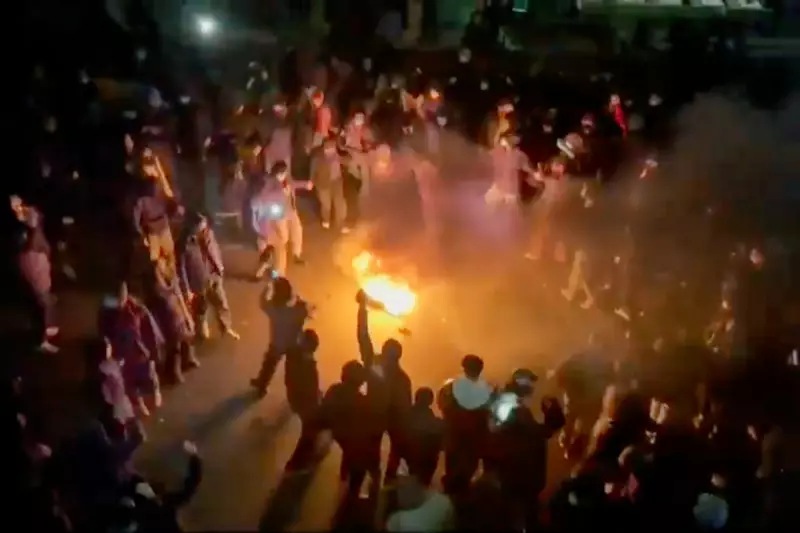
The British government has publicly called for a "peaceful transition" of power in Iran, as the regime in Tehran continues its brutal suppression of widespread anti-government demonstrations.
Cabinet Minister Condemns Violence and Repression
Transport Secretary Heidi Alexander stated that the UK's immediate priority is to "stem the violence" occurring within the country. In an interview with Sky News's Sunday Morning With Trevor Phillips on 11 January 2026, Alexander characterised Iran as a hostile state that poses a significant security threat both in the Middle East and beyond.
"We know that they have been a repressive regime in terms of their own population," she said. Alexander expressed deep concern over the situation, adding that Britain desires a future for Iran where its people can enjoy fundamental freedoms and proper democratic values through a peaceful process.
Political Leaders Warn of Iranian Threat and Mull Response
The comments from the Cabinet minister come alongside stark warnings from other senior political figures. Tory leader Kemi Badenoch indicated she would support RAF involvement, if necessary, as part of a broad international coalition to help remove the Islamic Republic's leadership. She drew parallels to recent RAF strikes in Syria.
Badenoch delivered a grave assessment of the regime's intentions, stating Iran would "very happily wipe out the UK if it felt it could get away with it." She emphasised the global reach of Iran's influence through terrorist outposts and asserted she had "no issue with removing a regime that is trying to harm us."
Meanwhile, Foreign Secretary Yvette Cooper praised the bravery of the Iranian protesters, particularly young women. She stressed that fundamental rights like free speech and peaceful assembly should not carry the threat of violence or reprisals.
Scale of the Crackdown and International Stance
The protests, which began on 28 December initially over economic grievances, have evolved into the most serious challenge to Supreme Leader Ayatollah Ali Khamenei's rule in years. The regime has responded with severe force and by cutting off internet and telephone lines.
According to the US-based Human Rights Activists News Agency, the death toll has risen to at least 538 confirmed fatalities. This figure includes 490 protesters and 48 members of the security forces. Furthermore, more than 10,000 people have been detained during the two weeks of unrest.
The international dimension of the crisis has intensified, with Iran warning it will target US troops and Israel if former President Donald Trump follows through on threats of military action. US Secretary of State Marco Rubio has voiced support for the "brave people of Iran." The UK government's statements underscore a delicate balancing act: condemning the violence and supporting democratic aspirations while navigating the risks of further regional escalation.