UK Withdraws Embassy Staff from Tehran as US Military Action Looms
Britain has taken the precautionary step of temporarily withdrawing its diplomatic staff from Iran, citing a rapidly deteriorating security situation in the region. The move comes amid mounting fears that the United States is preparing imminent military strikes against Iranian targets, with a critical diplomatic deadline set by former President Donald Trump fast approaching.
Foreign Office Warns of Limited Support for British Nationals
The UK Foreign Office announced on Friday that its ability to provide consular assistance to British citizens in Iran is now "extremely limited" due to the escalating crisis. Officials emphasised that the embassy would continue to operate remotely while staff are relocated. In addition to the Iran evacuation, the Foreign Office has advised against all but essential travel to Israel and Palestine, with some diplomatic personnel and their families being moved from Tel Aviv to other locations within Israel.
The immediate trigger for these security measures is the impending expiration of Donald Trump's deadline for Iran to agree to a comprehensive nuclear deal. Insiders familiar with the negotiations have revealed that significant gaps remain between Washington and Tehran on fundamental issues, with Sunday marking the potential deadline for diplomatic resolution.

International Diplomatic Community Takes Protective Measures
The United States has similarly authorised the departure of non-essential government staff and family members from Israel, citing looming safety risks. French authorities have advised their citizens against travel to Israel, Jerusalem, or the West Bank, instructing those already in the region to be "vigilant, prudent and identify shelters."
Mike Huckabee, the US Ambassador to Israel, conveyed a sense of urgency in an email to staff, stating that those wishing to leave "should do so TODAY," according to reports from the New York Times. While emphasising there was "no need to panic," Huckabee advised that departure plans should be made promptly.
Military Buildup Intensifies Regional Tensions
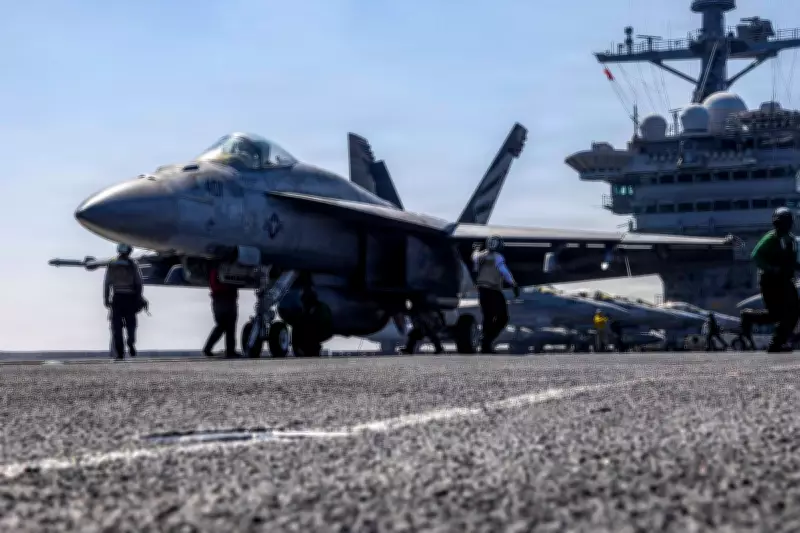
Washington's military presence in the Middle East has been substantially reinforced in recent days. The USS Gerald R. Ford, the world's largest warship, has positioned itself off the coast of Israel, joining approximately a dozen warships operating in the northern Arabian Sea, including the USS Abraham Lincoln aircraft carrier. The United States has reportedly deployed a squadron of F-22 fighter jets to the region as well.
While the Trump administration maintains that diplomacy remains the preferred outcome, officials have explicitly refused to rule out limited strikes against Iran if a nuclear agreement cannot be reached. Such military action could potentially trigger retaliatory attacks on Israel, which has previously been targeted by Iranian missiles.
Nuclear Negotiations at an Impasse
Diplomatic efforts to defuse the crisis have thus far failed to yield meaningful progress. Talks held in Geneva earlier this week reportedly broke down over fundamental disagreements. People familiar with the negotiations disclosed that Iran has objected to demands for ending uranium enrichment, dismantling nuclear facilities, and accepting permanent restrictions on its nuclear programme.
In a separate development, the International Atomic Energy Agency (IAEA) issued a confidential report on Friday urging Iran to permit inspections of all its nuclear sites. The UN nuclear watchdog claimed that Iran has constructed a new enrichment plant at Isfahan and is stockpiling near-bomb-grade uranium there. The IAEA noted it has not had access to these sites since the US conducted bombing operations against them last year.
International Response and Regional Preparations
The Chinese embassy in Israel has advised its citizens to prepare for emergency situations, citing "rising security risks in the Middle East." This warning followed earlier instructions for Chinese nationals in Iran to evacuate as soon as possible.

US Senator Marco Rubio is scheduled to travel to Israel on Monday to discuss the burgeoning crisis and other regional priorities, according to the State Department. Meanwhile, the French foreign ministry has reinforced its travel warnings, reflecting the broader international concern about potential conflict escalation.
The situation remains fluid, with diplomatic channels still open but military preparations visibly intensifying. The coming days will prove critical in determining whether a diplomatic breakthrough can be achieved or whether the region will descend into renewed conflict.