As high-stakes diplomatic talks on a controversial US-proposed peace plan for Ukraine commenced in Geneva, a senior UK Cabinet minister has declared that allies must work to 'open up space for meaningful negotiations'. The discussions, held on Sunday 23 November 2025, bring together US, Ukrainian, and European officials to scrutinise the 28-point strategy.
Divergent Views on the US Proposal
The Geneva talks unfolded against a backdrop of sharply contrasting public statements. Ukrainian President Volodymyr Zelensky offered a cautiously optimistic note after his team's initial meetings. In a post on X, he stated there was now an understanding that the American proposals might incorporate elements based on the 'Ukrainian vision' that are critically important for his country's national interests.
However, the plan's chief architect, US President Donald Trump, struck a different tone. On his Truth Social platform, he railed against Kyiv's leadership, accusing them of expressing 'zero gratitude' for American efforts. He also criticised European nations for continuing to buy Russian oil, calling the Ukraine war 'violent and terrible'.
UK's Stance and Diplomatic Manoeuvres
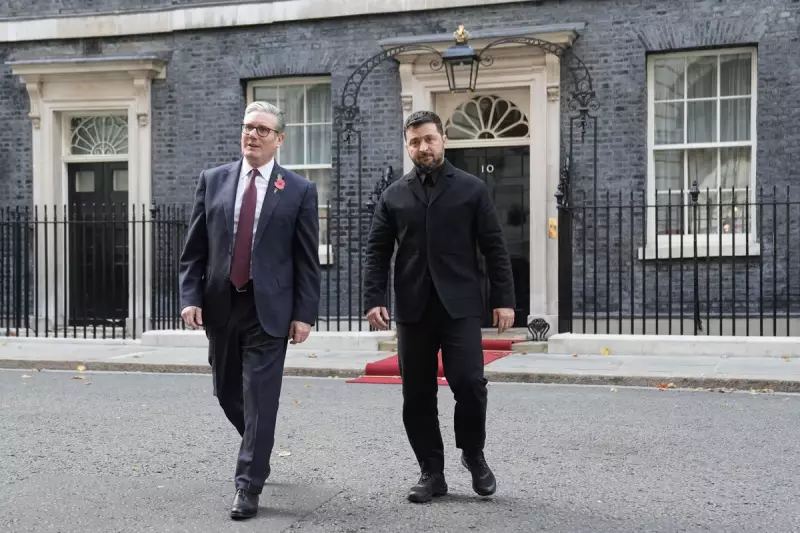
The UK, under Prime Minister Sir Keir Starmer, has positioned itself as a critical but supportive ally. Sir Keir reiterated the UK's 'steadfast support' for Ukraine in a call with President Zelensky. While the UK has pushed back against specific elements of the US-drafted plan—particularly proposals that would force Kyiv to limit its armed forces, cede territory, and abandon its path to NATO membership—officials have called the plan 'a basis' requiring further work.
This nuanced position was echoed by Transport Secretary Heidi Alexander. Appearing on the BBC's 'Sunday Morning with Trevor Phillips', she acknowledged that elements of the peace plan are essential for a 'just and lasting peace' but stressed that 'it does require some additional work.' She emphasised the need for allies to 'find a way to secure that ceasefire and open up space for meaningful negotiations,' while insisting that the UK's voice 'does count' in Washington.
The Path Forward and Key Plan Details
The diplomatic efforts are set to continue intensively. Following a phone call between Sir Keir Starmer and President Trump on Saturday, Downing Street confirmed their teams would work together on the proposal, with the two leaders agreeing to speak again on Sunday. National security advisers, including Britain's Sir Jonathan Powell, are delving into the fine details of the plan.
A significant point of discussion is the reported inclusion of an Article Five security guarantee, NATO's mutual defence clause, which is seen as an 'integral and significant' part of Washington's proposal. The 28-point plan was reportedly negotiated by US special envoy Steve Witkoff and Kremlin representative Kirill Dmitriev, a process that notably excluded Kyiv and European allies, sparking initial concerns. Despite earlier deadlines, President Trump has since signalled flexibility, stating the proposals are not final.
The US State Department has also been forced to publicly reject claims that Secretary of State Marco Rubio described the plan as a Russian 'wish list', firmly stating the proposal was 'authored by the United States'.