UK Trade Minister Questions Trump's Strategy in Iran Conflict
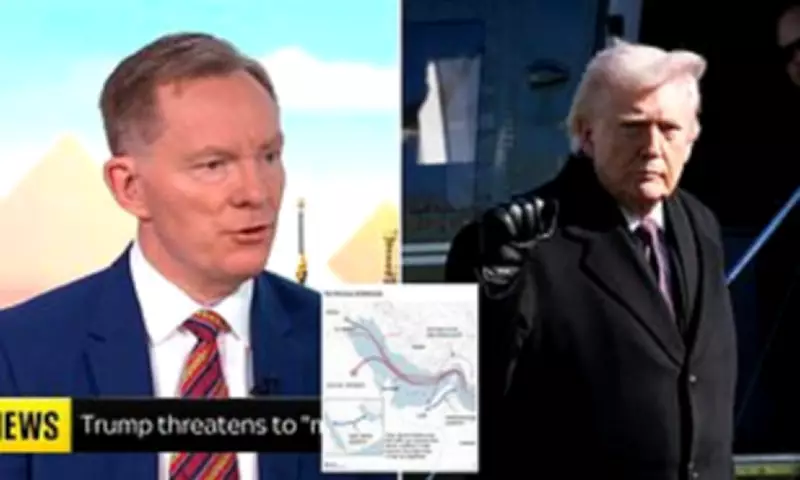
In a remarkably candid assessment, British Trade Minister Chris Bryant has risked provoking Donald Trump's ire by openly questioning the US president's approach to the escalating Iran war. Sir Chris raised serious concerns that Mr Trump 'doesn't know what he's doing' in the volatile Middle East, stating it was 'obvious' that Tehran would retaliate by attempting to block the crucial Strait of Hormuz.
Global Economic Implications of Strait Closure
Approximately one-fifth of the world's oil supplies traverse the Strait of Hormuz, making it a vital artery for global energy markets. The potential closure has already sent oil prices spiralling upwards, with economists warning of severe repercussions including:
- Increased risk of a global recession
- Heightened inflation pressures worldwide
- Disruption to international trade routes
- Significant impact on consumer energy costs
This blunt assessment represents the most forthright criticism yet from the UK government regarding US strategy in the region. Sir Chris delivered his remarks during a series of broadcast interviews this morning, marking a significant departure from traditional diplomatic restraint.

Straining the Special Relationship
The intervention threatens to exacerbate existing tensions in the UK-US Special Relationship, which has already been tested by Mr Trump's recent criticism of Labour leader Keir Starmer. The president previously dismissed Sir Keir as 'no Churchill' after the opposition leader refused to commit British forces to participate in US-Israeli military operations against Iran.
Sir Chris reinforced this position during his Sky News appearance, stating: 'One of my colleagues, counterparts in the Gulf said to me yesterday "I don't know what they're doing. I simply don't know what they're doing."' When pressed on whether he personally understood US strategy, the minister responded unequivocally: 'No. You know, does he know? I mean, it seems very, very confusing.'
Questioning Strategic Planning
The trade minister directly challenged whether the Trump administration had entered the conflict with a coherent plan. 'I think one of the reasons that Keir Starmer was quite rightly - and I think he showed exceptional leadership at this point - was saying, look, first of all, we're not going to send British troops into a situation where they're not protected legally because there's no good legal argument for the war,' Sir Chris explained.
He continued: 'Secondly, if you're going to do anything, you've got to have a plan. And it just seems basic to me. But no, it just doesn't feel like there's been a plan. Or if there is a plan, it's changing every single day.'
While acknowledging that military conflicts rarely unfold predictably, Sir Chris maintained his critical stance: 'Look, I'm no defender of the Iranian regime. But it seems to me rather obvious that the first thing that they would do to retaliate will be to try to close the Strait of Hormuz.'
International Response and UK Position
NATO member states have indicated they will refrain from deploying warships to patrol the Strait of Hormuz until active hostilities subside. This cautious approach reflects broader international concern about escalating the conflict further.
Sir Keir Starmer articulated the UK's official position in Parliament yesterday, stating: 'We will protect our people in the region. We will take action to defend ourselves and our allies, and we will not be drawn into the wider war. I want to see this war end as quickly as possible. The longer it continues, the bigger the impact on the cost of living, and that's why we've intervened to support households with costs of heating oil.'
The Labour leader concluded: 'The best way forward is a negotiated settlement with Iran giving up any aspirations to develop a nuclear weapon.'

Contradictory US Statements
President Trump has offered conflicting messages regarding international involvement in securing the Strait of Hormuz. He has oscillated between demanding assistance from allies like Britain and France while simultaneously asserting America's independence, claiming the US is 'self-sufficient in oil' and questioning what would happen if Washington 'washed its hands of responsibility' for reopening the vital waterway.
Energy analysts have countered this position by noting that oil prices operate on global markets, meaning American consumers would inevitably feel the impact of any prolonged closure through increased fuel costs and broader economic consequences.