Washington has dramatically escalated its economic and military pressure on Venezuela, with President Donald Trump ordering a sweeping new blockade and announcing a massive naval deployment to the region.
Unprecedented Sanctions and a Naval Buildup
On Tuesday night, President Trump declared a "total and complete" blockade of sanctioned oil tankers travelling to and from Venezuela. This aggressive move aims to cripple the South American nation's economy, which is almost entirely dependent on its oil exports. Venezuela possesses the world's largest identified oil reserves, a prize that has long been at the centre of the geopolitical standoff.
The Venezuelan government has reacted with fury, accusing the United States of engaging in "warmongering threats" designed to steal the country's natural resources. This latest action follows the seizure of a tanker by US officials off the Venezuelan coast just last week, marking a significant intensification of what Caracas calls weeks of US naval aggression in the Caribbean Sea.
'The Largest Armada Ever Assembled'
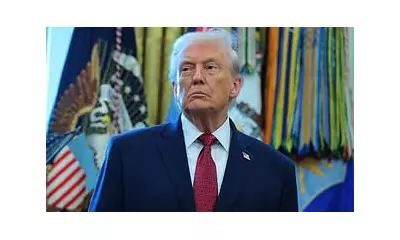
In a stark warning delivered via social media, President Trump stated that Venezuela is now "completely surrounded by the largest Armada ever assembled in the History of South America." He further threatened that the military presence would "only get bigger" and would ultimately "be like nothing they have ever seen before." This rhetoric signals a potential shift towards a more overt military posture, moving beyond the sanctions and diplomatic pressure that have characterised US policy for years.
Implications for Global Energy and Regional Stability
The immediate focus is now on how this severe blockade will impact Venezuela's already collapsing economy and what the response from international allies and adversaries will be. The deployment of such a considerable naval force also raises serious questions about regional stability and the risk of confrontation. Analysts are watching closely to see if this represents a final push to force a change in leadership in Caracas or a new, more dangerous phase in a protracted political crisis.
The situation remains fluid, with global energy markets likely to monitor any disruption to Venezuelan oil flows closely, despite the country's currently diminished export capacity due to longstanding internal issues and previous US sanctions.