US and Israel Intensify Military Campaign Against Iran's Core Institutions
In a significant escalation of hostilities, the United States and Israel are conducting a far broader campaign of airstrikes across Iran compared to last summer's conflict, which primarily focused on nuclear sites. Current operations aim to cripple Iran's military capabilities and undermine its theocratic leadership, according to security analysts.
Unprecedented Scale of Bombardment
U.S. Central Command reports hitting more than 2,000 targets within a single week, marking the most intensive American bombing campaign in the Middle East in over a decade, as documented by Airwars, an independent conflict monitoring organization. Israeli forces have simultaneously struck hundreds of additional sites.
From Tehran to provincial cities, the bombardment has targeted the Islamic Republic's leadership, military installations, weapons manufacturing facilities, security forces, and state media infrastructure.
Significant Damage and Leadership Losses
The full extent of destruction remains unclear, but independent monitor Armed Conflict Location and Event Data (ACLED) describes the impact as "a more significant blow than anyone expected might happen in such a short time." Despite the killing of Supreme Leader Ayatollah Ali Khamenei in strikes on his Tehran compound on February 28, emergency leadership retains "the ability for domestic coercion," ACLED notes.
Casualty figures are difficult to verify due to communication disruptions. Iranian authorities report at least 1,230 deaths, including over 165 people, mostly children, killed in a school strike in southeastern Iran.
Targeting Iran's Power Structures
The campaign has systematically attacked key pillars of Iranian power:
- Leadership Elimination: Alongside Khamenei, strikes killed the defense minister, Revolutionary Guard commander, and senior security officials. Religious sites and clerical assembly buildings have been damaged.
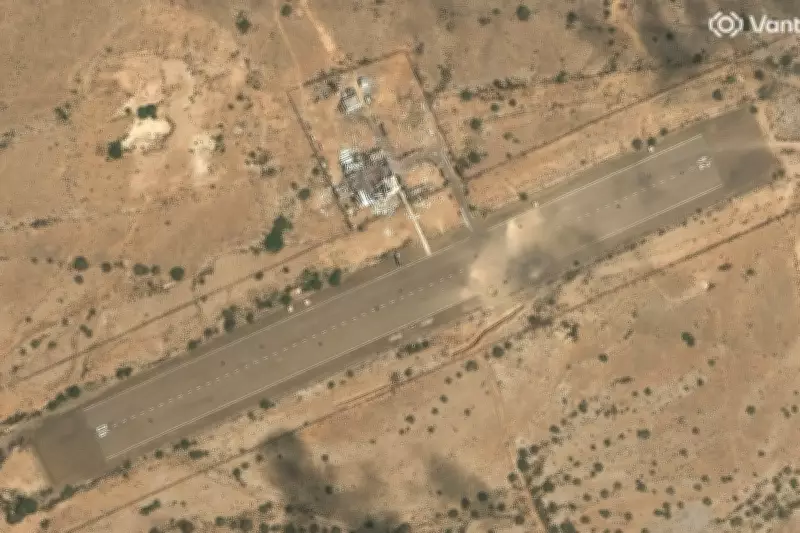
- Revolutionary Guard and Basij Paramilitary: Over 20% of documented strikes target these forces, hitting garrisons, air bases, underground complexes, and command centers. Satellite imagery shows demolished buildings at Revolutionary Guard headquarters in Tehran.
- Missile Arsenal Priority: Destroying Iran's missile capabilities is a primary objective, with strikes on suspected launch sites in mountainous regions and the Garmdarah missile facility near Tehran.
- Conventional Military and Police: Naval assets, including a capsized ship at Konarak Naval Base, and police headquarters in Tehran have been attacked. Manufacturers with military ties, like Isfahan Optics Industries, have also been struck.
- State Media Resilience: Despite multiple attacks on IRIB broadcasting facilities, state television remains operational, though with significant infrastructure damage.
Nuclear Facilities Largely Spared
Unlike last summer's conflict, nuclear sites have not been primary targets, though Israel has indicated future intentions. Satellite images show new damage at the Natanz enrichment facility, but the International Atomic Energy Agency reports no radiological concerns. Iran maintains its nuclear program is peaceful despite previous threats and high-level uranium enrichment.
Iran continues to launch missiles and drones against Israeli and American targets in the region. A senior Western official, speaking anonymously, estimates Iran retains several days' worth of ballistic missiles at current firing rates, potentially conserving some for prolonged conflict.