Diplomatic Breakthrough Shattered by Military Strikes
In a dramatic escalation that has upended delicate peace negotiations, the United States and Israel launched coordinated military strikes across Iran this weekend, just as a nuclear agreement appeared within reach. The attacks, which targeted Tehran and other major cities, have transformed what mediators described as the most constructive diplomatic talks in years into a rapidly expanding regional confrontation.
Peace Deal Was Days Away From Signature
US and Iranian negotiators had been engaged in serious discussions in Geneva throughout the week, with Oman's Foreign Minister Badr Albusaidi publicly speaking of "unprecedented openness" between the parties. The talks had progressed to concrete proposals involving nuclear limits, sanctions relief, and verification mechanisms that could have produced a principles agreement within days.
Mediators revealed that the emerging framework would have eliminated Iranian stockpiles of highly enriched uranium, down-blended existing nuclear material within Iran, and allowed full verification by the International Atomic Energy Agency with potential US inspector participation. Iran had indicated willingness to enrich uranium only for civilian purposes, showing strategic flexibility designed to meet American political realities.

Emergency Diplomacy Failed to Prevent Escalation
Sensing the imminent military action, Albusaidi made an emergency dash to Washington in a last-ditch effort to preserve the diplomatic track. In an unusually public move for a mediator, he appeared on American television to outline the contours of the near-breakthrough agreement, effectively revealing the detailed progress in an attempt to prevent war.
"What is most striking is not merely that diplomacy failed, but that it failed amid visible, tangible progress," analysts note. Both sides had demonstrated genuine flexibility, moving beyond rhetorical posturing toward workable compromises that addressed core proliferation concerns.
Regional Retaliation and Escalating Conflict
Following the US-Israeli strikes, Iran responded immediately with missile and drone attacks targeting US bases and allied states across the Gulf region. Explosions have been reported in Bahrain, the United Arab Emirates, Kuwait, Qatar, and Iraq, with confirmed fatalities in Abu Dhabi underscoring how rapidly the conflict has spread beyond Iran's borders.
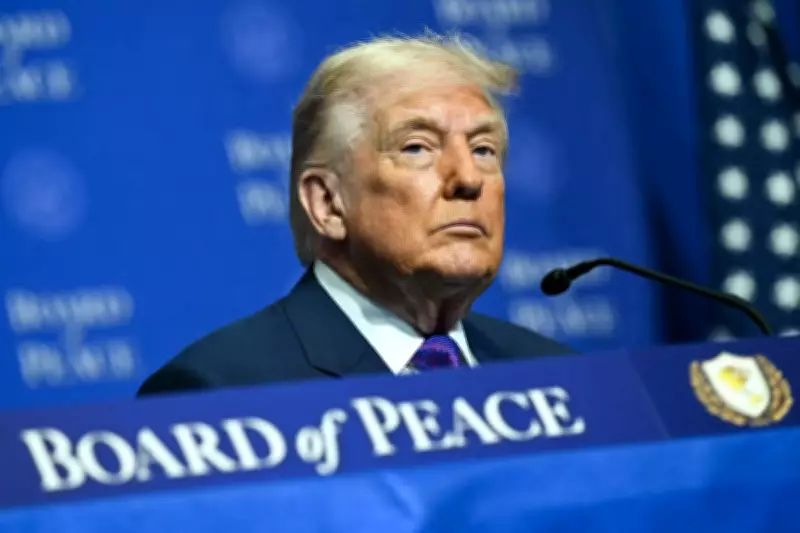
The timing of the military escalation raises profound questions about strategic intentions. President Donald Trump announced "major combat operations" while urging Iranians to overthrow their leadership, shifting rhetoric from tactical objectives toward regime change language that echoes justifications for the 2003 Iraq invasion.
Structural Differences Make Regime Change Unlikely
Advocates of escalation often invoke Iraq or Libya as precedents for rapid regime collapse, but these analogies fundamentally misunderstand Iran's political structure. Unlike those personalized systems, Iran represents an ideologically entrenched state with layered institutions, doctrinal legitimacy, and deeply embedded security apparatuses including the Islamic Revolutionary Guard Corps.
Previous military campaigns have demonstrated Iran's resilience, with a 12-day US-Israeli operation in 2025 failing to eliminate Tehran's retaliatory capacity. Maximum force against such a system may consolidate internal cohesion rather than trigger collapse, reinforcing leadership narratives of external aggression that have sustained the regime through decades of pressure.
Broader Implications for International Diplomacy
The decision to attack during active negotiations sends a stark message to Tehran and other adversaries considering diplomacy: even when talks appear productive and breakthrough seems imminent, they can be overtaken by military force. This undermines the fundamental premise that negotiation represents a genuine alternative to war and casts doubt on American commitments to diplomatic solutions.
"Breaking the bridge while building it does more than halt a single agreement," observers warn. "It risks convincing both sides that negotiation itself is futile, eroding trust, hardening deterrence, and making aggression the default language of international power."

Regional Stability Now at Critical Risk
Iran has invested heavily in asymmetric capabilities precisely to complicate external intervention, with missile, drone, and naval systems embedded along the Strait of Hormuz—a critical chokepoint for global energy supplies. These systems are linked to regional allies and militias, creating networks that could rapidly expand any conflict.
A full-scale regional war is now significantly more likely than just one week ago. Miscalculation could draw multiple states into direct confrontation, inflame sectarian fault lines, and disrupt global energy markets with severe economic consequences worldwide.
Contradictions in American Foreign Policy
The military escalation creates particular contradictions for the Trump administration, which built its political brand opposing "endless wars" and criticizing the Iraq invasion. The "America First" doctrine promised strategic restraint and hard bargaining, yet abandoning advancing diplomacy in favor of force revives questions about true US objectives in the Middle East.
If a workable nuclear framework was genuinely emerging—as mediators insist it was—then choosing escalation invites deeper questions about whether sustained tension serves certain strategic preferences more comfortably than durable peace. The parallel extends beyond policy to rhetoric, with Trump's address carrying unmistakable echoes of George W. Bush's justifications for invading Iraq two decades earlier.
The central challenge now facing American foreign policy extends beyond Iran's military capabilities to questions of credibility and consistency. When diplomacy can be overridden by force even during visible progress, the perception will resonate globally, potentially reshaping how adversaries approach future negotiations and increasing the likelihood of preemptive aggression in international relations.