US-Israel War on Iran Enters Second Week Amidst Global Outcry
The conflict between the United States, Israel, and Iran has now entered its second week, sending shockwaves across the Middle East with severe and widespread consequences. As military operations intensify, international reactions are growing more pronounced, highlighting the deepening crisis in the region.
Trump's Defiant Stance on Iranian Decimation
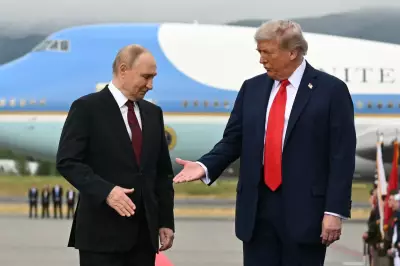
US President Donald Trump has maintained an optimistic outlook regarding the war's progress, asserting that Iran is being "decimated." Despite this claim, he has not dismissed the possibility of deploying American ground troops to the region. Speaking to reporters aboard Air Force One, Trump provided a vague explanation of his demand for Iran's unconditional surrender, stating, "It's where they cry uncle, or when they can't fight any longer and there's nobody around to cry uncle—that could happen too." This statement came shortly after he visited Dover Air Force Base in Delaware to honor six US service members killed in the initial days of the conflict, underscoring the human cost of the hostilities.
International Condemnation and Calls for Ceasefire
In a stark contrast to Trump's rhetoric, China's Foreign Minister Wang Yi has strongly condemned the war, declaring that it "should never have happened." During a press conference in Beijing, Wang Yi emphasized the need to avoid a return to "the law of the jungle" and called for an immediate end to all military operations. This condemnation reflects growing global concern over the escalation and its potential to destabilize international relations further.

Iran's Defiance and Military Capabilities
Iran has responded with defiance, with a Revolutionary Guards official claiming that the country can sustain a war of this magnitude for "at least" another six months. This assertion was reported by the semi-official Fars news agency, which has connections to the Islamic Revolutionary Guard Corps (IRGC). Meanwhile, Iranian President Masoud Pezeshkian has issued apologies to neighboring countries affected by Iranian attacks, clarifying that Iran's interim leadership council has approved a policy of not launching strikes against such nations unless they initiate aggression against Iran.
Escalating Military Strikes and Regional Impact
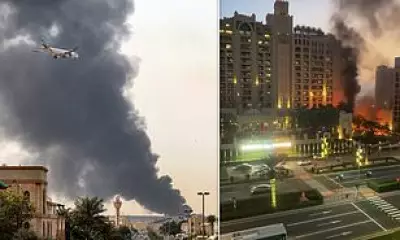
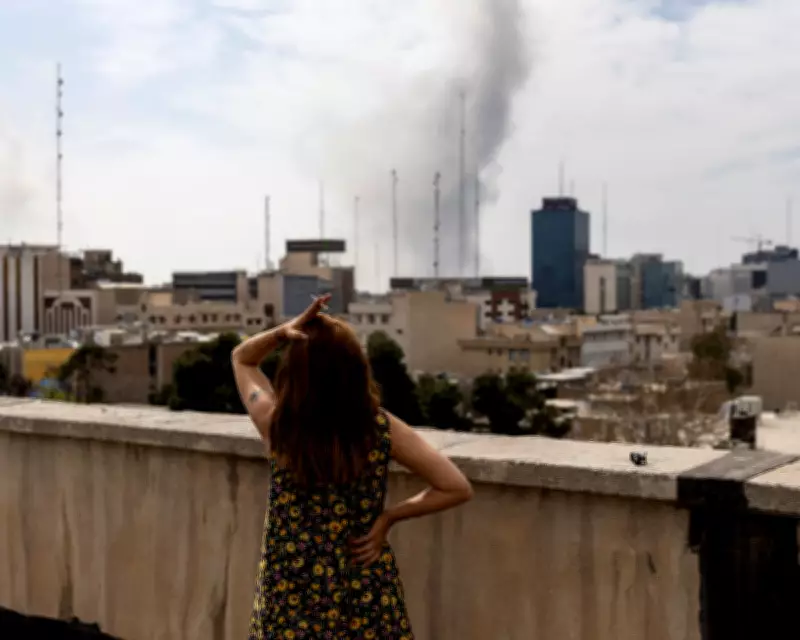
The conflict has seen significant military actions, with the Israeli military reporting strikes on "several fuel storage complexes" in Tehran, resulting in vast plumes of smoke and fire over the city's skyline overnight. In a separate incident, an Israeli strike on an apartment in the Ramada hotel building in central Beirut killed at least four people and injured ten others, according to Lebanon's health ministry. Israel described this as a "precise strike" targeting "key commanders" in the IRGC's Quds Force, which handles foreign operations.
Trump's Criticism of UK Support
Adding to the diplomatic tensions, President Trump has renewed his criticism of the United Kingdom's lack of immediate support for the US-Israeli strikes on Iran. In a social media post, he claimed that Downing Street is now "giving serious thought" to deploying two aircraft carriers to the region. Trump remarked, "That's OK, Prime Minister Starmer, we don't need them any longer—But we will remember," highlighting strains in the transatlantic alliance amidst the ongoing conflict.
As the war persists, the situation remains fluid, with mounting casualties, international condemnation, and uncertain prospects for de-escalation. The global community watches closely as events unfold, hoping for a resolution to prevent further devastation in the Middle East.