Explosion in Tehran Sparks Panic as US-Israeli Attack Coincides with Nuclear Talks
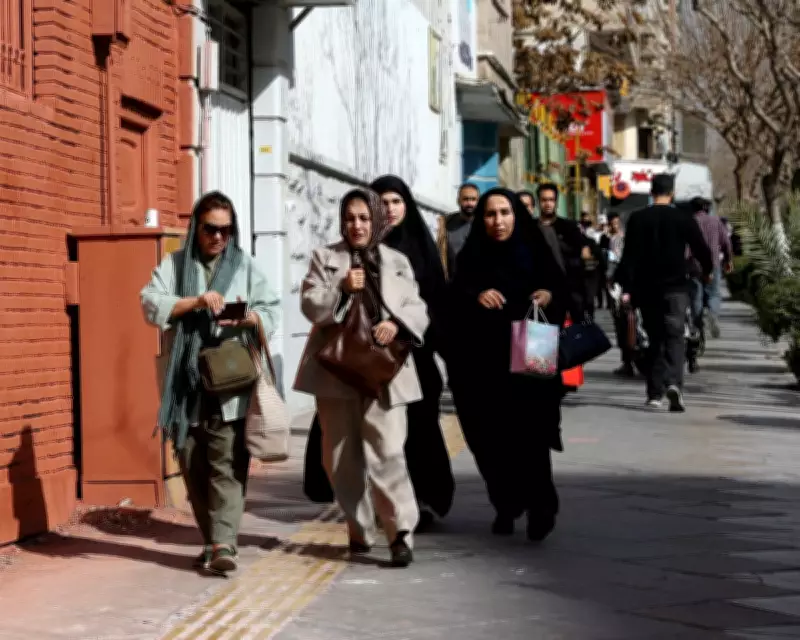
Residents in Tehran were seen fleeing for cover after reports of an explosion echoed through the city, captured in dramatic photographs. This incident occurred as a joint military operation by the United States and Israel targeted Iran, an action meticulously planned over months but executed during sensitive nuclear negotiations between Iran and the US.
Timing Raises Questions Over US Diplomatic Sincerity
The assault, launched in the midst of a second round of talks, follows a similar pattern from June last year when a 10-day attack was initiated just days before a scheduled meeting. This repetition severely undermines the credibility of US diplomatic overtures, with Iranian sources expressing frustration that diplomacy repeatedly fails amid military aggression.
Abbas Araghchi, the Iranian foreign minister, acknowledged the risk of President Trump abandoning talks but deemed it necessary to pursue dialogue. Concurrently, Omani Foreign Minister Badr Albusaidi made an urgent trip to Washington, attempting to highlight progress in the negotiations. He publicly disclosed potential deal elements, including Iran's agreement to eliminate stockpiles of highly enriched uranium and allow enhanced verification by the International Atomic Energy Agency.

Details of the Proposed Nuclear Agreement
Albusaidi outlined that the deal would surpass the 2015 agreement abandoned by Trump, featuring:
- Zero stockpiles of highly enriched uranium.
- Down-blending of existing enriched uranium within Iran.
- Full verification access for IAEA inspectors, possibly including US weapons inspectors.
- Limitation of uranium enrichment to civil nuclear programme needs.
However, the proposal lacked commitments on human rights, ballistic missiles, or regional proxy support. Iran views its missile programme, with a range of up to 1,250 miles, as a defensive necessity, highlighted by the recent attack.
Trump's Justification and Domestic Debate
President Trump justified the strike by citing Iranian threats to US forces and allies, without addressing negotiation specifics. Internally, US officials will scrutinise whether Albusaidi's optimistic assessment was accurate. If Iran indeed offered concessions that would curb nuclear bomb capabilities, critics may accuse Trump of rejecting a peaceful resolution, influenced by Israeli and Republican pressures.
Alternatively, some argue that the Iranian regime's repressive nature itself poses a global security threat. Notably, Trump provided minimal explanation to the American public or Congress prior to the attack, leaving objectives unclear.
This incident exacerbates tensions, potentially jettisoning any remaining trust in US-Iran diplomacy and casting a long shadow over future negotiations in the Middle East.