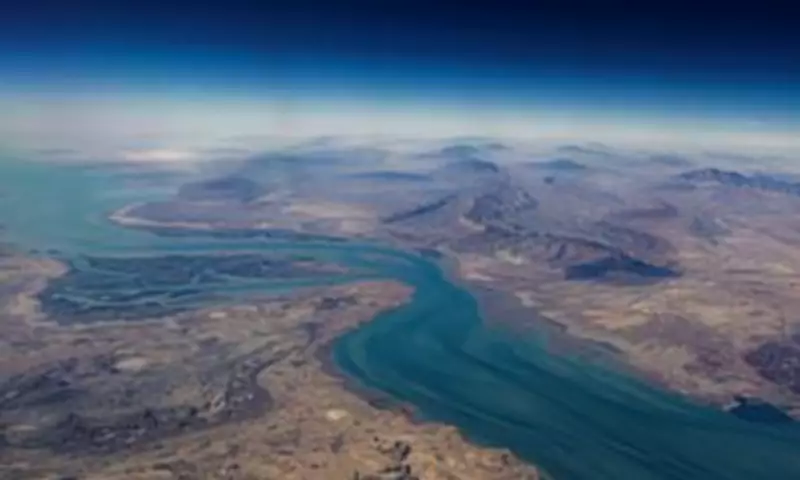
US Navy Warns of Deadly 'Kill Box' in Strait of Hormuz Amid Trump-Iran Tensions
The US Navy has issued a stark warning that the Strait of Hormuz could transform into a perilous 'kill box' zone if former President Donald Trump decides to deploy American warships to the troubled waterway. According to naval assessments, dispatching US sailors into the narrow strait would likely render them easy targets for devastating Iranian drone and missile strikes, heightening risks in an already volatile region.
Escalating Conflict and Human Toll
Tensions in the Gulf region have surged to a boiling point following a series of aggressive military actions. The conflict was ignited on February 28 when joint US and Israeli airstrikes killed Iran's former Ayatollah Ali Khamenei, leading to immediate retaliation. In the aftermath, Iran launched counterattacks on US Army and Naval bases, while Israel continued its bombardment of Tehran. This escalation has resulted in the deaths of at least 13 Americans, underscoring the deadly nature of the ongoing hostilities.
Strategic and Economic Implications
The Strait of Hormuz, one of the world's most strategically vital trade routes, has become a focal point in this international conflict. The disruption caused by the war has plunged global markets into chaos, particularly affecting oil and gas supplies. Approximately 3,000 ships navigate through this corridor each month, but since the conflict unfolded, many large cargo vessels have been attacked and pillaged while passing through the Persian Gulf, exacerbating economic instability.
Trump's Call for Allied Support
In response to the crisis, Donald Trump—who has previously adopted a bullish stance on reopening the passage—has called upon US allies to assist in restoring normalcy to the trade route. Over the weekend, he emphasized the need for a coordinated effort, stating, 'The U.S. will also coordinate with those Countries so that everything goes quickly, smoothly, and well. This should have always been a team effort, and now it will be.' This appeal highlights the international dimension of the conflict and the challenges in securing the strait.
Geographic Context and Risks
The Strait of Hormuz, with its narrow confines and proximity to Iranian shores—including areas like the island of Qeshm—presents a high-risk environment for naval operations. The Navy's warning underscores the vulnerability of warships in such a constrained space, where they could be susceptible to asymmetric threats from Iranian forces. As the situation evolves, the potential for further escalation remains a critical concern for global security and trade.