US Government Registers Alien.gov Domains Amid UFO File Release Pledge
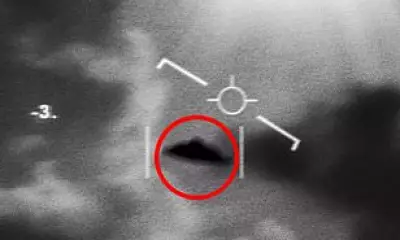
The US Cybersecurity and Infrastructure Security Agency has officially registered the web domains alien.gov and aliens.gov, adding them to the government website registry. This development comes just a month after former President Donald Trump pledged to release files related to unidentified anomalous phenomena (UAPs), commonly known as UFOs, from government agencies.
Timing and Political Context
The registration of these domains occurs at a time when official US government interest in UAPs has reached unprecedented levels, largely fueled by national security anxieties in an era dominated by drones, terrorism, and international conflicts. Trump has directed agencies to identify and release all files concerning alien life, UAPs, and UFOs, describing these matters as highly complex yet critically important.
White House deputy press secretary Anna Kelly added to the intrigue by responding to inquiries about the upcoming websites with a cryptic "Stay tuned!" accompanied by an alien emoji, further stoking speculation among conspiracy theorists.

Bipartisan Engagement and Testimonies
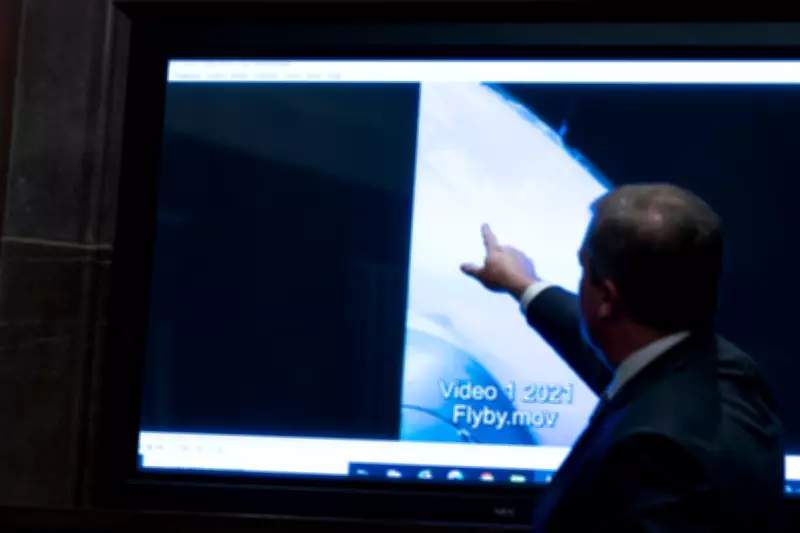
Interest in UAPs spans across political lines. Michael Gold, former associate administrator of space policy and partnerships at NASA and a member of its independent UAP study team, testified in 2024 about the stigma that has historically hindered public discourse on the topic. He expressed optimism about the government's transparency efforts, stating, "The fact that we're discussing that the administration is reviewing files, releasing data via websites is a real accomplishment."
Senior officials from both parties have voiced their perspectives:
- JD Vance, maintaining a neutral stance, remarked, "I'm a big believer that there are things out there that we can't explain."
- Marco Rubio expressed concerns over unknown aircraft near US nuclear sites, citing testimonies from military personnel.
- Tulsi Gabbard acknowledged the possibility of alien life, while former President Barack Obama humorously noted that aliens are not hidden at Area 51 unless under a massive conspiracy.
Security Concerns and Historical Precedents
Much of the official focus on UAPs is driven by tangible security threats. For instance, Barksdale Air Force Base in Louisiana recently issued a shelter-in-place order due to reports of unmanned aerial systems operating over the installation, described as multiple waves of UAPs. This incident underscores the real-world implications of these phenomena beyond mere speculation.
UFO historian Greg Eghigian, author of After The Flying Saucers Came, cautions that document releases must be viewed in societal context, referencing past eras like the 1970s and 1990s when similar disclosures occurred. A CIA study from the 1950s and 1960s revealed that over half of UFO reports were actually manned reconnaissance flights, leading to misleading public statements to protect sensitive projects.
Public Interest and Cultural Impact
Despite security-driven investigations, public fascination with aliens persists. Prediction markets reflect this curiosity:
- DuelBits Predict identifies New Mexico, Nevada, and Arizona as top locations for potential alien contact due to their iconic status in UFO folklore.
- Polymarket estimates a 19% chance that the US government will confirm alien existence before 2027.
Michael Gold highlights the unifying effect of UAPs across political divides, noting figures like Tim Burchett and Alexandria Ocasio-Cortez collaborating on issues such as the UAP Transparency Act. He emphasizes that any effort to address UAPs is positive, as it challenges decades of stigmatization that previously threatened academic and professional careers.
As the debate continues, the intersection of national security fears, conspiracy theories, and cultural beliefs ensures that the truth about UAPs remains a compelling and unresolved topic for both officials and the public alike.