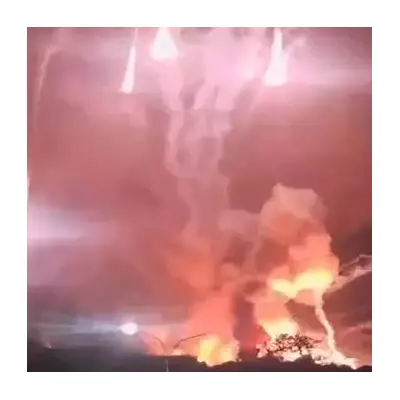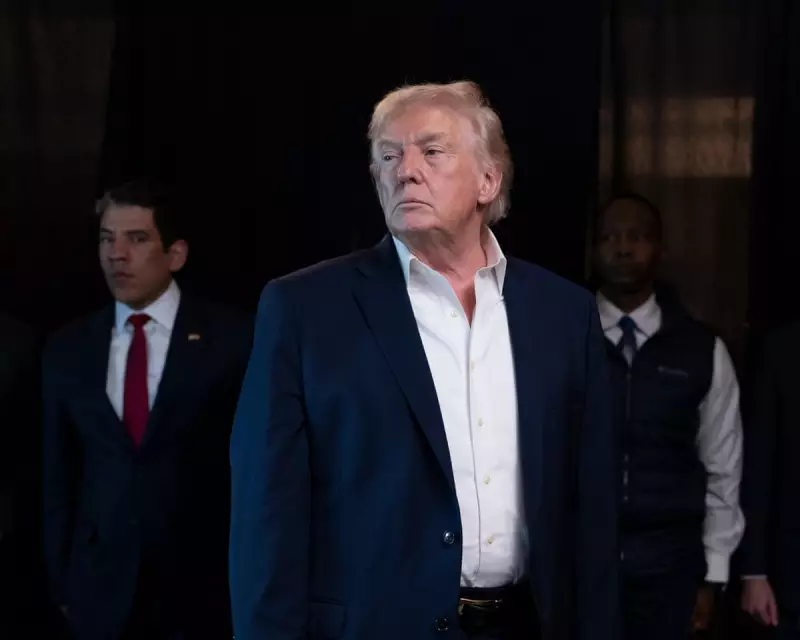
In a dramatic and unprecedented escalation, the United States under President Donald Trump has launched a major military strike on Venezuela, seizing the country's president, Nicolás Maduro. The operation, which occurred in the early hours of Saturday, represents the first significant US military attack on South American soil and has sent shockwaves across the international community.
A Chilling Act of Unilateral Aggression
The raid, which took place on 3 January, saw US forces move to abduct President Maduro. Following the action, Mr Trump declared that the US would now "run" Venezuela and "take back the oil", boasting that the venture "won't cost us a penny". He framed the assault as a restoration of American dominance, stating, "American dominance in the western hemisphere will never be questioned again." This move comes just days after the US president had publicly sought a diplomatic off-ramp, highlighting a sudden and dangerous pivot to militarism.
Critically, this illegal attack was conducted without a United Nations resolution, without congressional approval, and without even informing Democratic lawmakers, who allege they were actively misled in briefings. The strike, which reportedly killed 40 Venezuelans, including civilians, resulted in no US casualties, potentially fuelling a dangerous sense of invincibility within the Trump administration.
From Superpower to Rogue State
The editorial stance of many observers is that this action signifies a profound transformation. A president who once campaigned on abandoning foreign wars has rebranded the Department of Defense as the Department of War and stated he is "not afraid of boots on the ground." This is not the act of a global policeman, but of a rogue state that believes its might allows it to act with impunity. The pattern is evident in strikes on Nigeria and Iran's nuclear facilities, and in the cavalier threats towards Greenland and Mexico.
The pretext of a war on drugs has been widely dismissed. Venezuela is only a minor cocaine conduit, and Mr Trump recently pardoned the former Honduran president, Juan Orlando Hernández, for drugs and weapons crimes. The true drivers appear to be the lure of Venezuela's vast oil reserves, a machismo foreign policy ideology, and a desire for political distraction as domestic troubles mount.
Global Repercussions and a Muted Response
The international reaction, particularly in Europe, has been notably muted, likely born from fear of provoking Mr Trump's wrath. While UN Secretary-General António Guterres issued a strong condemnation, the episode underscores the growing perceived irrelevance of international institutions. The message sent to leaders like Vladimir Putin and Xi Jinping is one of eroded norms and the legitimacy of brute force.
Inside Venezuela, the situation remains deeply unstable. While the Maduro regime was repressive, kleptocratic, and accused of stealing the last election, the US-imposed solution is fraught. Mr Trump dismissed the legitimate opposition leader and Nobel prize-winner María Corina Machado, suggesting Maduro's deputy, Delcy Rodríguez, would follow US orders. Rodríguez, now interim president, has struck a defiant tone, and harder-line elements of the decapitated regime remain.
With nearly three years remaining in his term, and facing soaring healthcare costs, economic unhappiness, and the fallout from the Epstein files, Donald Trump's appetite for disruptive foreign adventures may only grow. The world must now grapple with the repercussions of an act that has not only devastated Venezuela but has dangerously rewritten the rules of international engagement.