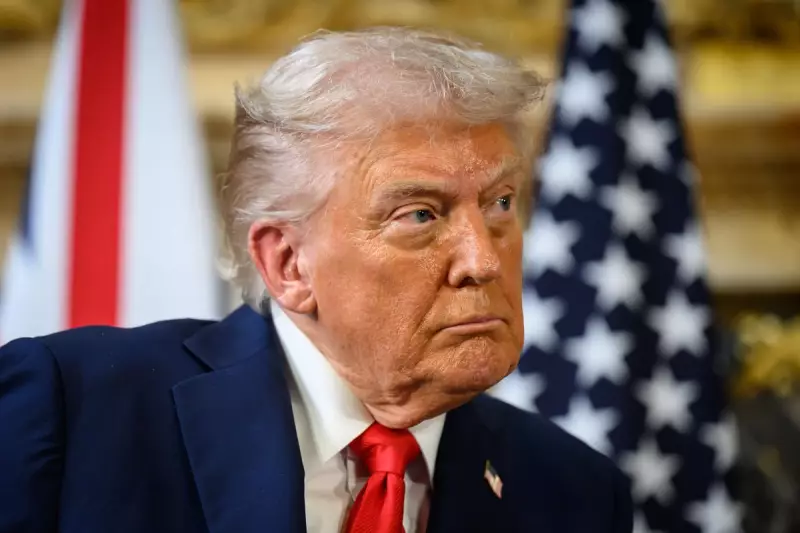
In a seismic shift for global diplomacy, US President Donald Trump has declared the United States will withdraw from dozens of key international and United Nations entities. The announcement, made on Wednesday 7 January 2026, targets a total of 66 organisations, claiming they operate against American national interests.
The Scope of the Withdrawal
The sweeping decision encompasses 35 non-UN groups and 31 UN bodies. Among the most significant is the planned exit from the UN Framework Convention on Climate Change (UNFCCC), the foundational treaty underpinning global climate efforts, including the Paris Agreement. This would make the US the first and only nation to abandon this critical pact.
Manish Bapna, president of the Natural Resources Defense Council, warned of the consequences. "Every other nation is a member, in part because they recognize that even beyond the moral imperative of addressing climate change, having a seat at the table in those negotiations represents an ability to shape massive economic policy and opportunity," he stated.
The US will also quit UN Women, which promotes gender equality, and the UN Population Fund (UNFPA), which focuses on family planning and maternal health in over 150 countries. Funding for UNFPA was cut by the US last year.
A Pattern of Disengagement
This move is not an isolated incident but the culmination of President Trump's long-standing scepticism towards multilateral institutions. A White House memo clarified that withdrawal means "ceasing participation in or funding to those entities to the extent permitted by law." Trump has already drastically reduced voluntary funding to most UN agencies.
Since beginning his second term a year ago, the Trump administration has systematically distanced the US from international cooperation. This has included stopping engagement with the UN Human Rights Council, extending a funding halt for the Palestinian relief agency UNRWA, and quitting UNESCO. Plans to leave the World Health Organization and the Paris climate agreement were previously announced.
Rationale and Global Reaction
The White House justified the decision, stating the targeted entities promote "radical climate policies, global governance, and ideological programs that conflict with U.S. sovereignty and economic strength." It framed the move as part of a broader review, aiming to end American taxpayer involvement in bodies that "advance globalist agendas over U.S. priorities."
A spokesperson for UN Secretary-General Antonio Guterres did not immediately respond to requests for comment. The withdrawal list includes other prominent bodies such as the UN Conference on Trade and Development, the International Energy Forum, and the UN Peacebuilding Commission.
The full list of organisations from which the US intends to withdraw is extensive, covering areas from renewable energy and cyber policy to cultural preservation and arms control. This unprecedented step marks a definitive pivot in American foreign policy under President Trump, with profound implications for global governance on climate, equality, and security.