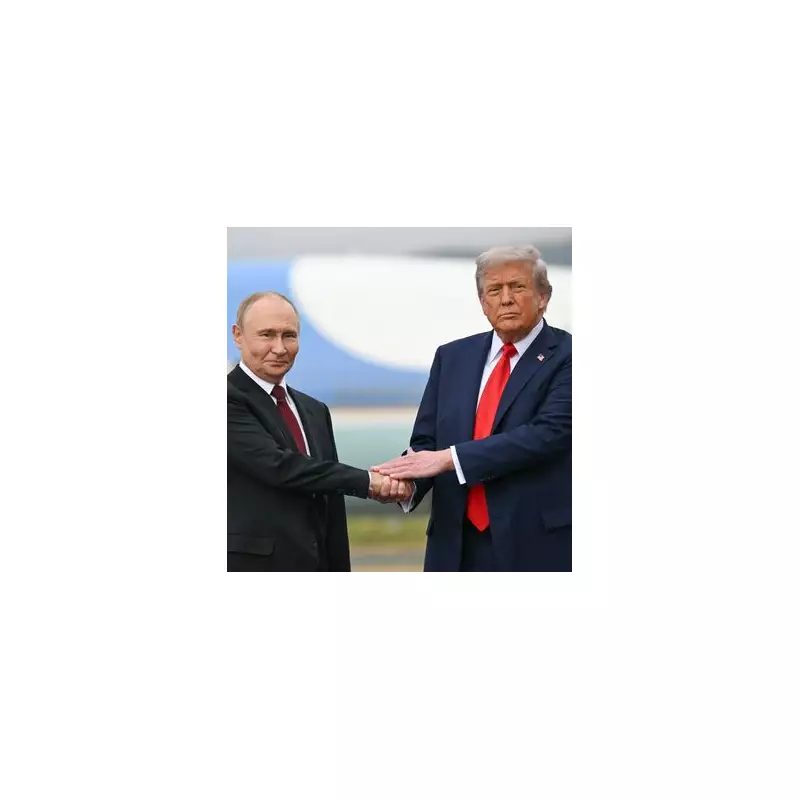
A significant diplomatic controversy has erupted over a proposed peace plan for Ukraine, with US Secretary of State Marco Rubio insisting the United States authored the document while fellow Republicans describe it as Russia's "wish list".
Conflicting Accounts Emerge
The 28-point blueprint aimed at ending Russia's aggression in Ukraine has caused alarm in Kyiv and European capitals since copies were leaked earlier this week. The situation escalated on Saturday when a group of bipartisan US lawmakers claimed the document did not represent Washington's official position.
According to NBC reports, Republican senator Mike Rounds told journalists at a security conference in Canada that the United States was not responsible for the document's release in its current form. "It is not our recommendation. It is not our peace plan," Senator Rounds stated emphatically.
The senator added that the draft proposal "looked more like it was written in Russian to begin with" and openly described it as a Russian "wish list". Rounds, along with other US politicians attending the conference, claimed Secretary Rubio had called them on Saturday to clarify that the US was merely acting as an intermediary.
Administration Pushes Back
The State Department responded swiftly to these claims, with spokesperson Tommy Pigott releasing a statement branding Senator Rounds's account of his conversation with Secretary Rubio as "blatantly false".
In a post on X, formerly known as Twitter, Pigott asserted: "As Secretary Rubio and the entire Administration has consistently maintained, this plan was authored by the United States, with input from both the Russians and Ukrainians."
Secretary Rubio himself took to social media to reinforce this position, stating clearly that "the peace proposal was authored by the US" and describing it as "a strong framework for ongoing negotiations". He acknowledged the plan incorporated input from the Russian side but emphasised it also included previous and ongoing contributions from Ukraine.
International Reactions and G20 Implications
The confusion surrounding the draft peace agreement comes as international leaders prepare for crucial talks on Ukraine at the G20 summit in South Africa. The summit has been notably shunned by US President Donald Trump, whose administration has given war-torn Ukraine just days to respond to the proposed deal to end the conflict with Russia.
UK Prime Minister Keir Starmer joined other international leaders in expressing reservations about the plan, particularly provisions involving surrendering territory and reducing Kyiv's military capabilities. The consensus among several Western allies appears to be that the proposal requires "additional work" before it could be considered viable.
Ukrainian President Volodymyr Zelenskyy articulated the difficult position facing his nation, suggesting Ukraine might face a stark choice between defending its sovereign rights and maintaining essential American support. The leaked document and subsequent diplomatic dispute have created fresh uncertainty about the prospects for peace negotiations and the unity of the international response to Russia's ongoing aggression.