V&A Museum Censors Catalogues to Comply with Chinese State Printers
V&A Censors Catalogues for Chinese Printers

V&A Museum Censors Exhibition Catalogues Following Chinese Printer Demands

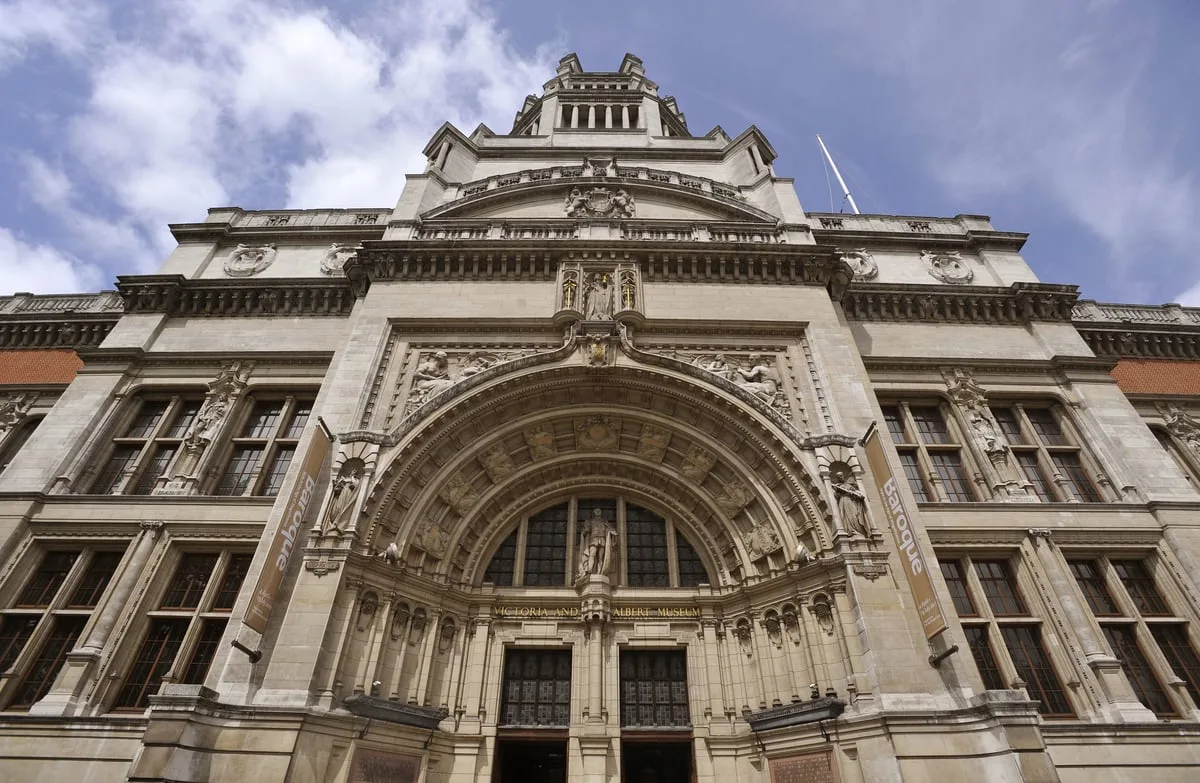
One of the United Kingdom's premier cultural institutions, the Victoria and Albert Museum, has acquiesced to demands from a Chinese printing company to delete specific maps and images from at least two recent exhibition catalogues. This revelation comes from documents obtained by the Guardian through freedom of information requests, shedding light on the extensive reach of China's censorship laws into the operations of publicly funded UK museums.

Cost-Effective Printing Leads to Censorship Concessions

Like other prominent British institutions, including the British Museum, Tate, and the British Library, the V&A frequently utilises Chinese printers due to their ability to produce catalogues at approximately half the cost of British or European counterparts. However, this financial advantage necessitates compliance with censorship requests from the Chinese government, which deems certain topics sensitive. These include references to Buddhism, Taiwan, Tibet, Tiananmen Square, and pro-democracy activities.

The disclosures from the V&A expose the detailed scope of Beijing's influence on museum publications, demonstrating how censorship extends even to historical maps and photographs on seemingly unrelated subjects. For instance, the museum faced issues with catalogues for exhibitions on Fabergé eggs and British Black music, highlighting the broad and unpredictable nature of the restrictions.

Wide Pickt banner — collaborative shopping lists app for Telegram, phone mockup with grocery list

Specific Cases of Censorship at the V&A

For the catalogue of the Music is Black exhibition, which opened recently, the V&A intended to use a 1930s illustration depicting trade routes of the British Empire. In November, an email from the Chinese printer, C&C Offset Printing, indicated that this map had been rejected by Beijing's censorship body, the General Administration of Press and Publication (GAPP). The email stated that the map included China's border and required the use of standard maps from the Chinese government, suggesting deletion or replacement of the image.

Internal V&A email exchanges revealed bafflement and frustration over the decision, noting that the map was historical and related to British colonial rule, not contemporary China. The censorship caused a delay in printing, with one email apologising for the pause while files were amended. Ultimately, the V&A replaced the censored map with a photograph of people arriving in Southampton on the liner Begoña after a voyage from the West Indies, as it was too late to switch printers due to ordered paper.

In another instance, the museum agreed to remove a map from the catalogue for the 2021 exhibition Fabergé: Romance to Revolution, along with a photograph of Lenin, which the Chinese printers deemed potentially sensitive. An email from the V&A production team expressed regret over not foreseeing these restrictions, highlighting the ever-changing list of censorship rules.

Responses from UK Cultural Institutions

The V&A issued a statement describing the changes demanded by China as minor and asserted that they did not affect the narrative of the catalogues. The museum emphasised that it maintains close editorial oversight and would pull production if any requested change was problematic. Meanwhile, other institutions have also faced scrutiny. The British Museum, chaired by George Osborne, who previously championed closer UK-China relations, refused to comment on how it handles censorship requests for publications printed in China. A spokesperson cited factors like quality, cost, and schedules in printer selection.

The British Library claimed it has never encountered censorship issues with Chinese-printed catalogues, while Tate confirmed using Chinese printers for children's books and some catalogues but denied altering content at a printer's request. An anonymous UK publisher noted the significant cost savings of printing in China, despite delays for censorship checks, particularly for maps and references to Tibet.

Pickt after-article banner — collaborative shopping lists app with family illustration

Broader Implications for Cultural Diplomacy

This situation underscores the challenges faced by UK cultural institutions balancing financial pragmatism with editorial integrity. A former employee of C&C Offset Printing remarked that it is unsurprising for a Chinese company to forbid content disapproved by the government. As museums navigate these complexities, the incident raises questions about the influence of foreign censorship on British cultural outputs and the potential compromises in artistic and historical representation.

The V&A's experience serves as a cautionary tale for other institutions relying on international printers, highlighting the need for vigilance in upholding free expression while managing operational costs in a globalised market.