Venezuela has taken a bold step in its escalating standoff with the United States, directly challenging a military blockade by deploying its navy to escort commercial oil tankers bound for Asia.
A Direct Challenge to US Authority
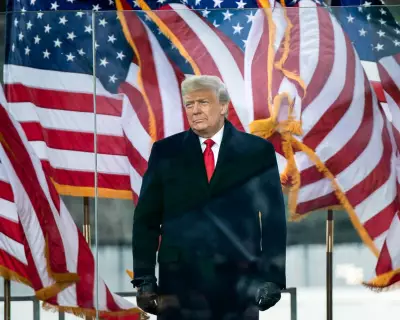
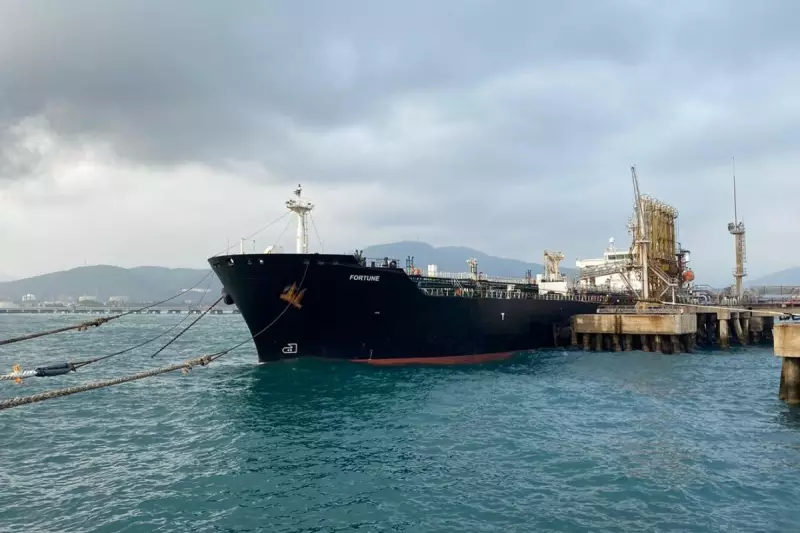
In a move that defies Washington's sanctions, President Nicolas Maduro ordered naval escorts for three ships carrying oil-based products. This action represents a significant and public rejection of the "total and complete blockade" ordered by the administration of former US President Donald Trump. The US has acknowledged the Venezuelan manoeuvre and is reportedly considering its response.
The situation follows recent US military strikes in the Caribbean, which Venezuelan authorities report have killed at least 97 people. These actions have prompted serious concern from international bodies, with the United Nations and independent legal experts warning they could amount to "extrajudicial killings".
Trump's Claims and Military Buildup
The crisis stems from Trump's assertion that Venezuela "took our oil" and his demand for its return. In response, his administration moved to blockade all sanctioned oil tankers from the South American nation. Concurrently, the US has established an unprecedented military build-up in the Caribbean, raising widespread fears of a potential intervention aimed at ousting Maduro.
President Maduro has consistently accused the United States of fabricating a pretext for war to seize control of Venezuela's vast oil reserves, which are the largest in the world. The escort of tankers to Asian markets is seen as a critical effort to circumvent US sanctions and maintain vital revenue streams for the embattled government in Caracas.
International Repercussions and Future Stakes
This latest development marks a dangerous new phase in the long-running geopolitical conflict. The direct involvement of the Venezuelan navy introduces a heightened risk of military confrontation in regional waters. The international community is now closely watching the US response, which could determine whether tensions de-escalate or spiral further.
The standoff, centred on Thursday 18 December 2025, underscores the fragile state of global energy politics and the severe humanitarian consequences of economic sanctions and military posturing. With the UN's warnings echoing in the background, the world waits to see if diplomacy can prevail or if the Caribbean becomes the stage for a more profound conflict.